
CSU leads convergence, discourse on DENR’s biodiversity corridors project in Eastern Mindanao
 :
:
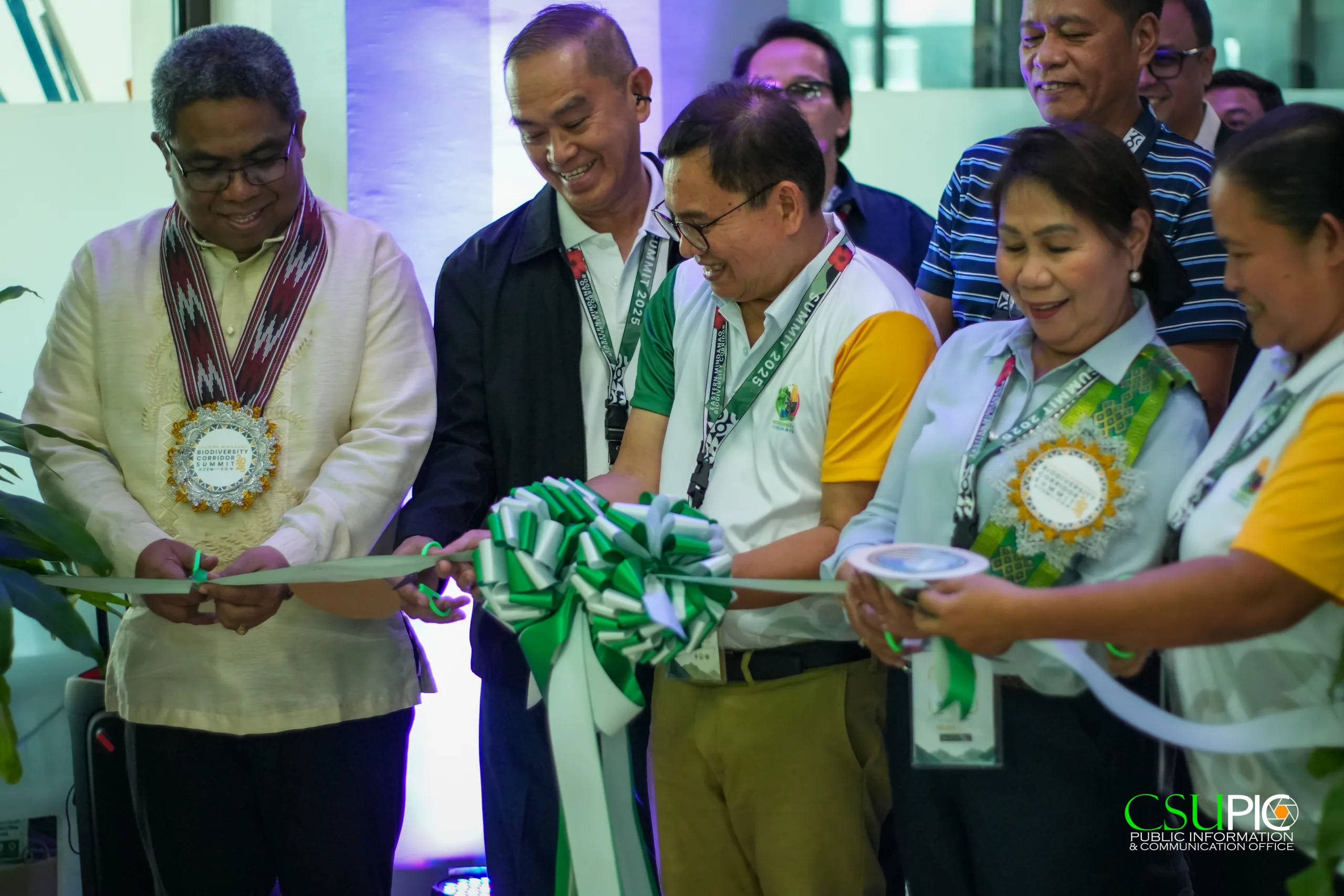
The university, through the Center for Research in Environmental Management and Eco-Governance (CREME) in partnership with the Department of Environment and Natural Resources (DENR) Region XIII, Davao Oriental State University (DoRSU), and the Department of Human Settlement and Urban Development (DHSUD) Region XIII, hosted this year’s Eastern Mindanao Biodiversity Corridor (EMBC) Summit 2025, leading the three-day discourse on DENR and UNDP’s aim to operationalize integrated management of biodiversity corridors and generate multiple benefits.
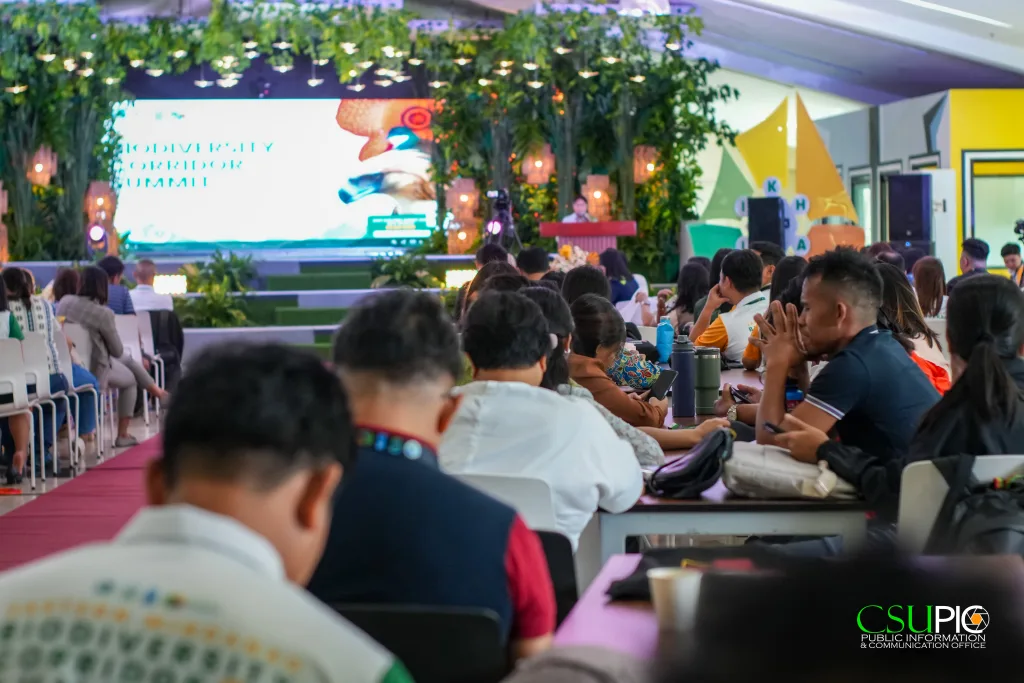

The summit, which commenced on October 6, 2025, brought together representatives from state universities and colleges, project proponents, local government units, Indigenous Peoples’ communities, and civil society organizations. The gathering centers on sharing progress in the implementation of the BD Corridor Project, with discussions highlighting policy and governance, community and corridor-level interventions, scientific research, notable accomplishments, and innovative practices.
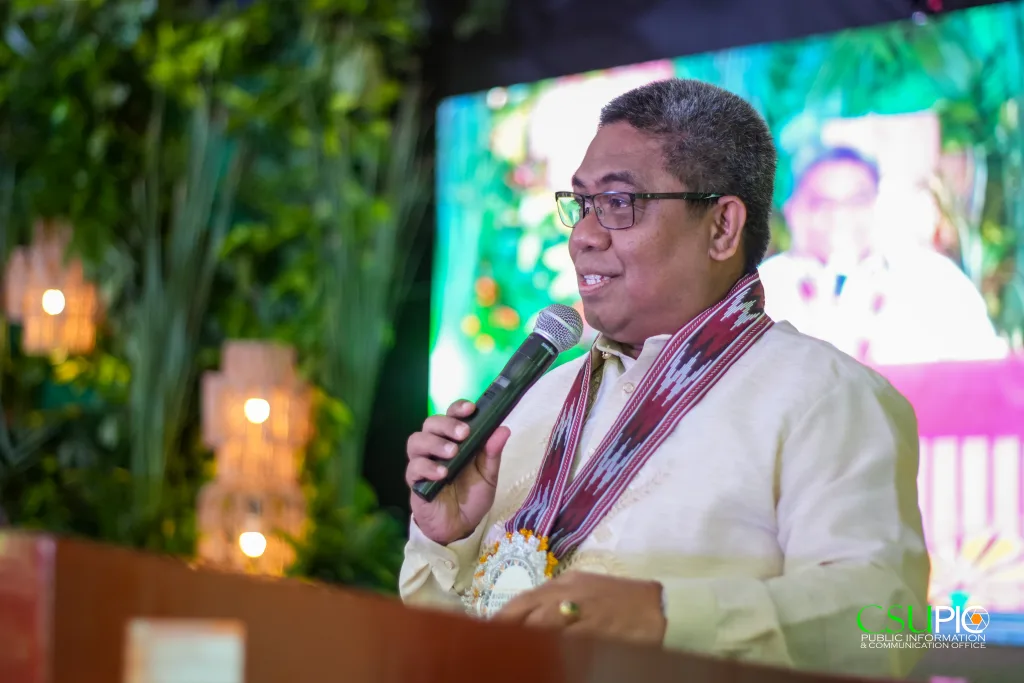
As the host institution, University President Dr. Rolyn C. Daguil coined the roles that CSU and other Higher Education Institutions (HEIs) play in strengthening the ecosystem pathway for a thriving biodiversity in Eastern Mindanao: a knowledge generator, a policy partner, a community bridge, and an innovation hub. He further strengthened the call to harness the expertise of universities in advancing scientific research and developing innovative tools that support conservation strategies that are inclusive and grounded in community needs.
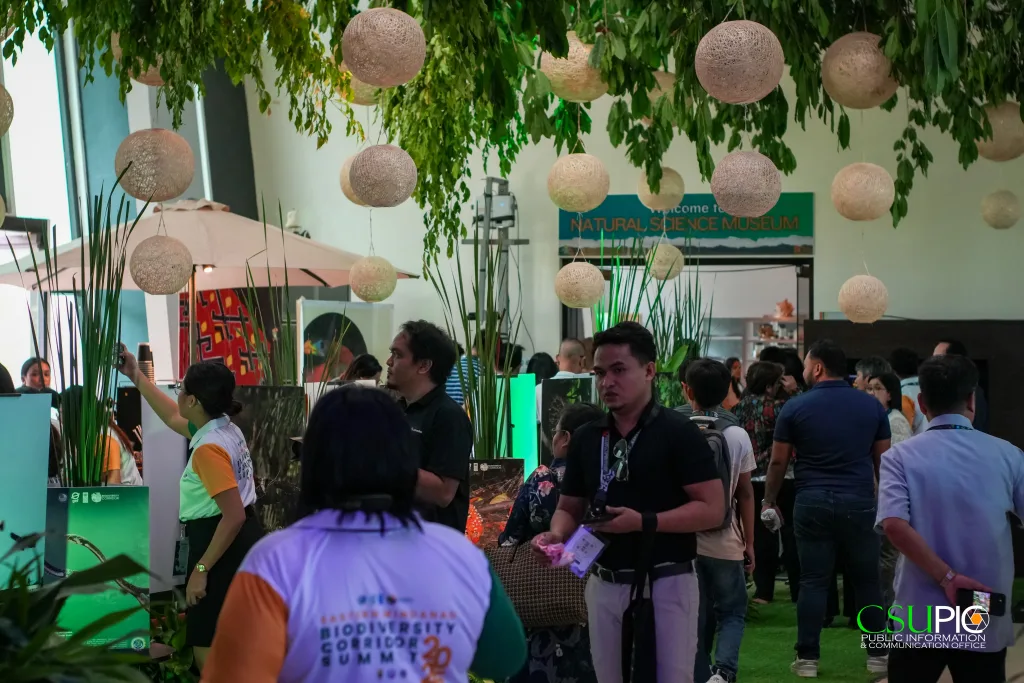
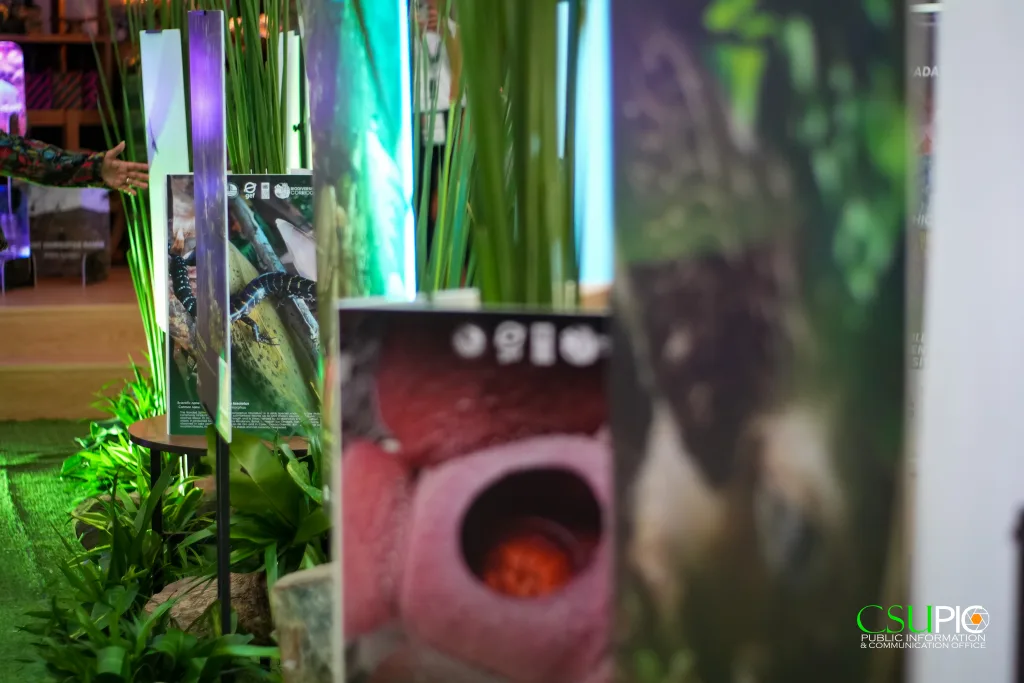
The summit also featured an exhibit of the projects’ outputs and the launch of the Database of CSU Natural Science Museum. It will have its closing ceremonies on Wednesday, October 8, 2025.

About the Project
The Integrated Approach in Management of Major Biodiversity Corridors in the Philippines, or the DENR-UNDP/GEF Biodiversity Corridor Project, aims to operationalize the integrated management approach to biodiversity corridors in Mindoro and Eastern Mindanao to generate multiple benefits, including the effective conservation of globally threatened species and high conservation value forests, reduce deforestation and degradation, and enhance local biodiversity-friendly livelihoods. This is implemented by the Department of Environment and Natural Resources in partnership with the United Nations Development Programme and funded by the Global Environment Facility. According to the project’s recent progress, they have operationalized integrated ecosystems management, such as the conservation of the endangered Philippine Eagle and Mindanao bleeding heart pigeon, reduction of forest and agricultural land degradation through the application of sustainable forest management and sustainable land management approaches, enhancement of local biodiversity-friendly livelihoods, and contribution to the 30×30 through the identification and establishment of Other Effective Area Based Conservation Measures (OECMS).
The occurrence of this activity in the university pushes its goals to contribute to Sustainable Development Goals (SDG) Nos. 11 (Sustainable Cities and Communities), 13 (Climate Action), 15 (Life on Land), and 17 (Partnership for the Goals).