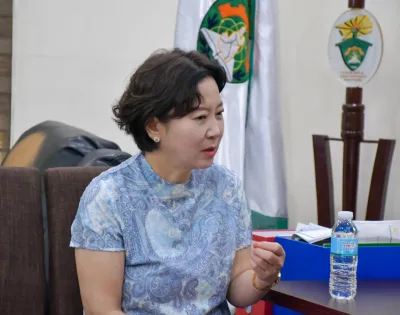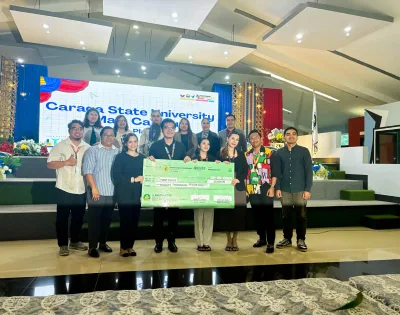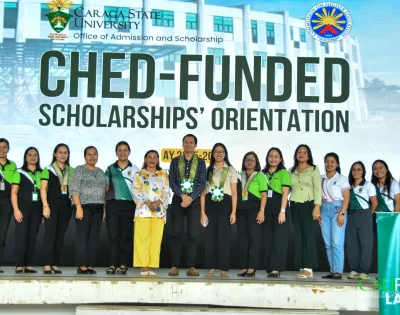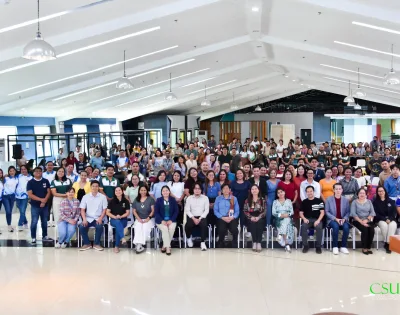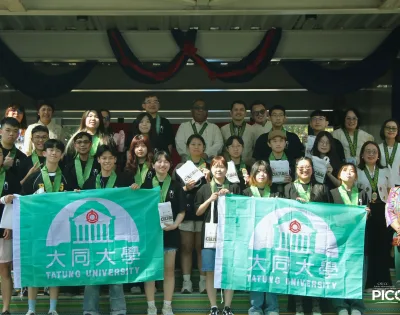



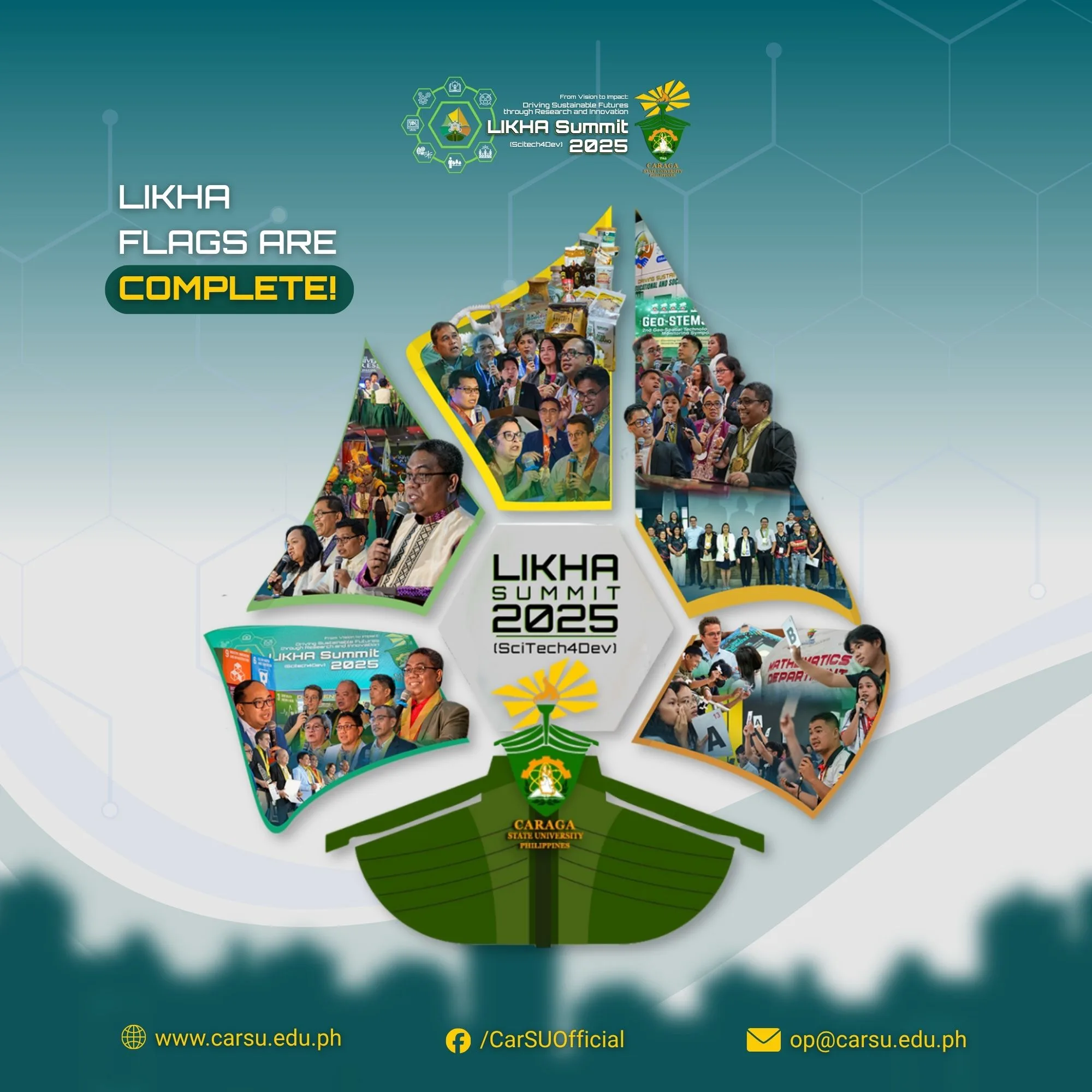
The 3rd LIKHA Summit 2025 from September 30 to October 3, 2025, was a resounding success! Each flag on the LIKHA emblem serves as a visual testament to the four vibrant subconferences, two dynamic parallel sessions, and Dr. Daguil’s 1st State of the University Address (SunA). Over 200 researchers, innovators, policymakers, and educators convened to elevate discussions and progress on sustainable futures through research and development. This flagship conference of the university is a commitment to the long-term goal of becoming a trailblazer of global excellence, community impact, and entrepreneurship.
Caraga State University extends its gratitude to all participants, speakers, partners, and committee members who helped shape the summit and advance discussions on innovation, research, and sustainability.
DAY ONE, September 30
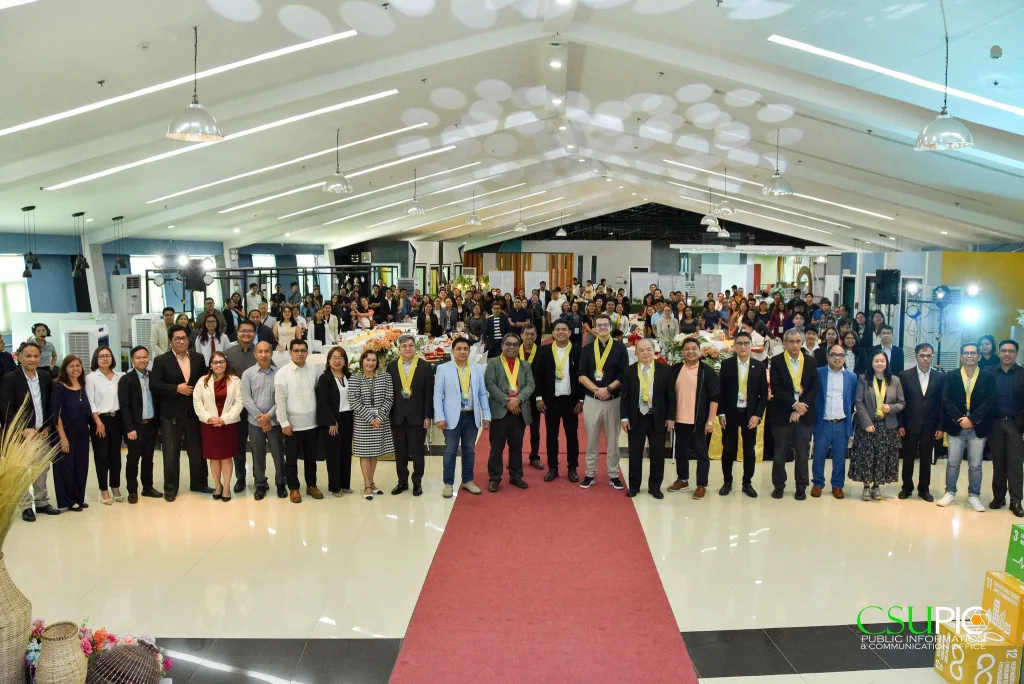
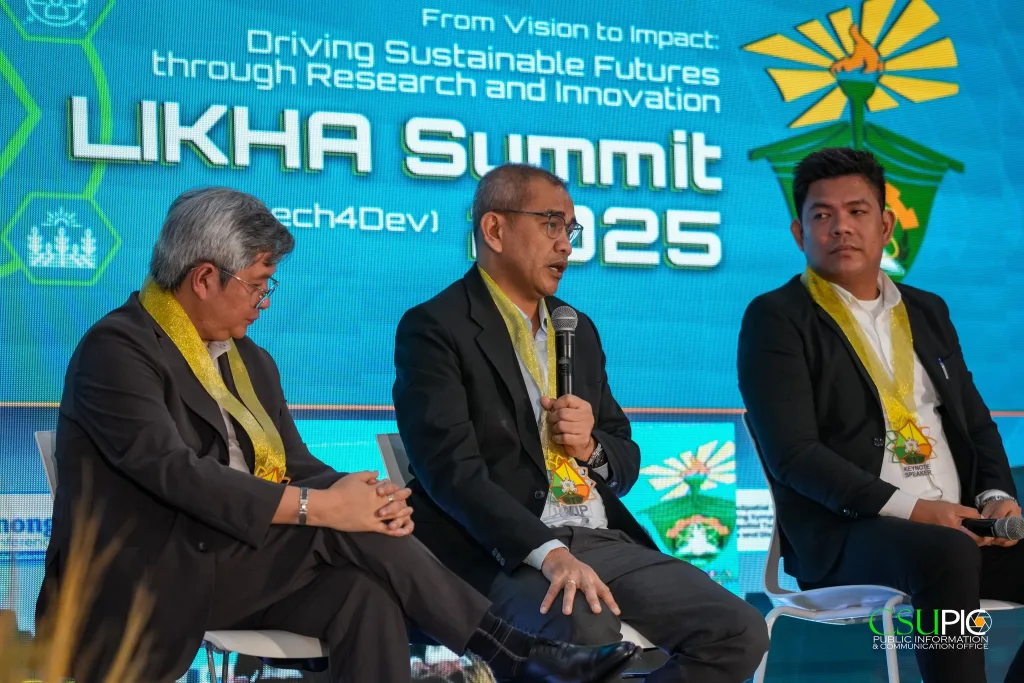
The summit commenced with an opening ceremony to welcome all participants, speakers, and guests. Dr. Jeffrey Dellosa, Vice President for Research, Development, Innovation, and Extension (RDIE), in his speech, highlighted the mission of the summit to become a platform for dialogue and collaboration to translate research into real-world impact: “May this gathering spark bold collaborations, inspire data-driven solutions, and accelerate the journey from research to meaningful impact—empowering our region and our nation to shape a better, more sustainable tomorrow.”
University President Dr. Rolyn C. Daguil also urged for a more sustainable future through research with meaningful and lasting progress: “We live in a time when the challenges of sustainability demand not only ideas but also bold, practical, and collaborative solutions. Let us be reminded as we gather today that LIKHA is about stewardship.”
The ceremony featured keynote messages from local and international partners covering university–industry collaboration by Dr. Chi-Fan Huang from Tatung University, Taiwan, and Dr. Alizedney M. Ditucalan from MSU – Iligan Institute of Technology, and sustainable and future-ready higher education delivered by CHED Commissioner Dr. Desiderio R. Apag III, D.Eng., PCpE.
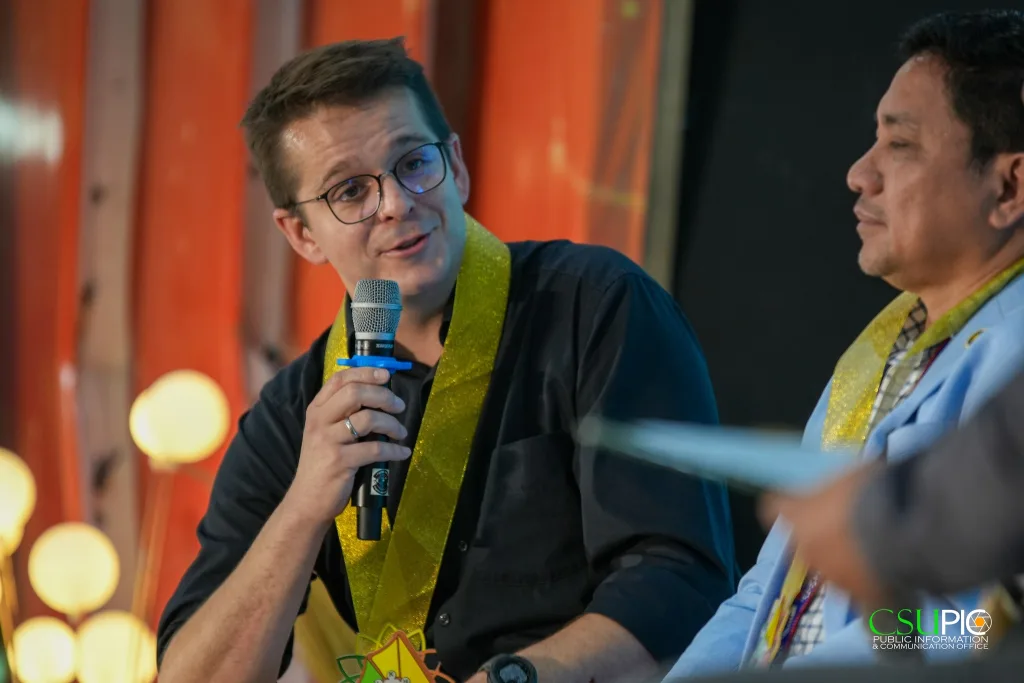
Dr. Johannes Bleher from the University of Hohenheim, Stuttgart, Germany, also shared insights on innovation ecosystems using AI for collaboration, while Dir. Enrico C. Paringit from the UP Department of Geodetic Engineering and DOST-PCIEERD, and Atty. John Paul T. Romero, ABE from BAFE, delved into research-to-market impact.
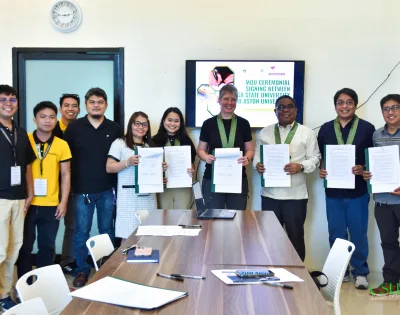
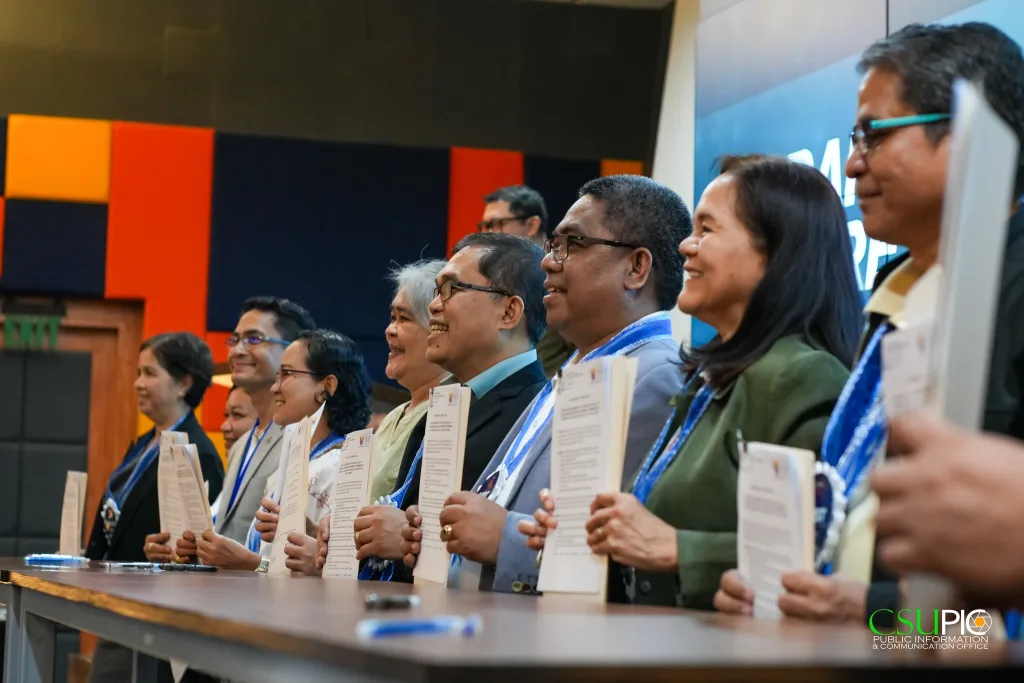
Part of the summit is the ceremonial signing of memoranda of agreement and understanding with Ateneo de Davao University, Feng Chia University, and Cor Jesu College for academic and research collaborations; and The Climate Reality Project Philippines (TCRP) & Institute for Climate and Sustainable Cities (ICSC) for climate science, action, and arts workshop and plastic and climate projects.
Prexy Daguil holds 1st SuNA
On the evening of Day 1 was the 1st State of the University Address (SUnA) of Dr. Rolyn C. Daguil, the 3rd University President. He laid out Caraga State University’s progress under the LIKHA Agenda since 2022 and highlighted achievements in faculty development, academic programs, partnerships, research, innovation, and global recognition. He affirmed accountability for promises kept, acknowledged areas for growth, and set clear commitments for the next 18 months to sustain momentum, modernize systems, and strengthen CSU’s role as a borderless, globally competitive university.
DAY TWO, October 1
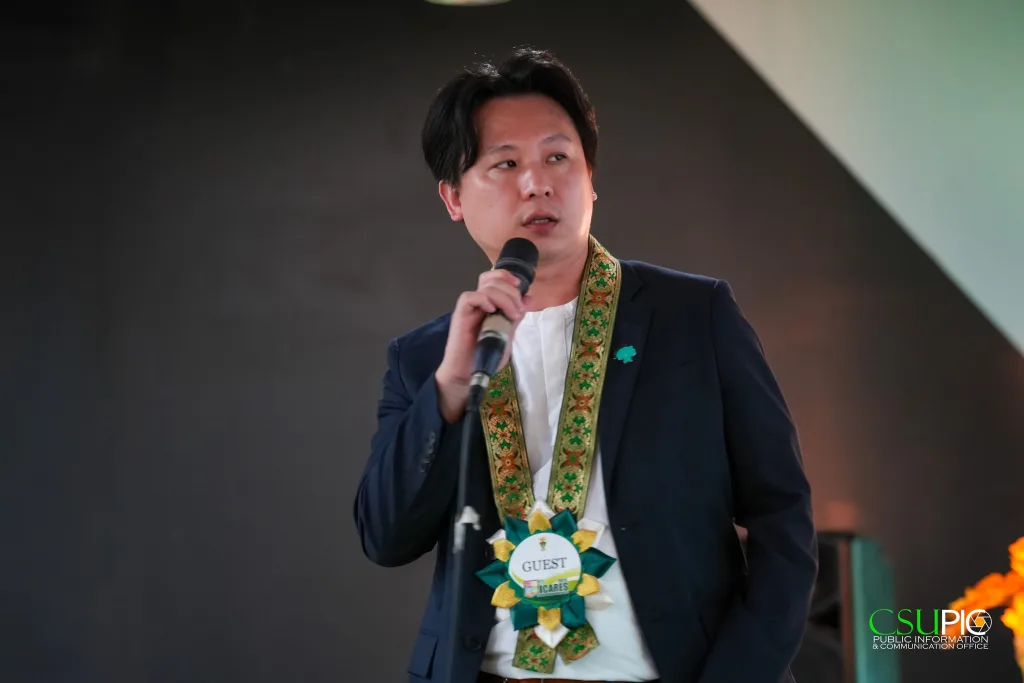
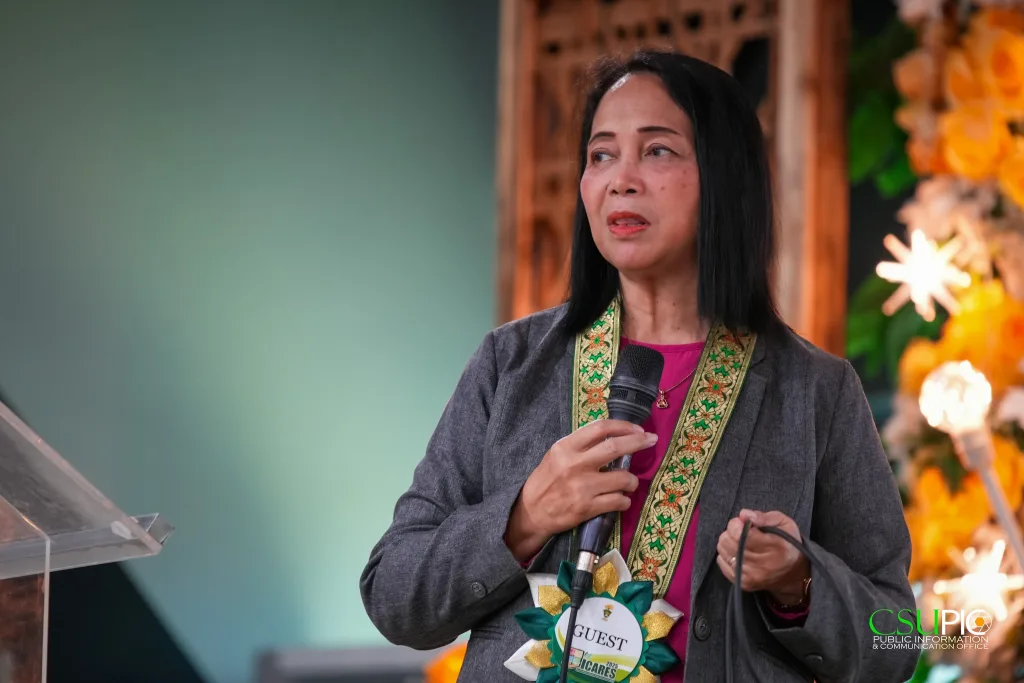
The second day of the LIKHA Summit advanced the discourse on climate resilience, environmental sustainability, computing, and engineering as solutions to real-world challenges. The Computing and Information Sciences Conference (CISCON) and the International Conference on Climate Action, Resilience, and Environmental Sustainability (I-CARES) opened, along with the 1st Mindanao-wide Technology Transfer Conference.
Computing and Information Sciences Conference
Now in its 4th year, CISCON gathered experts and researchers to share advancements in science, technology, and engineering, while promoting technopreneurship and digital innovation for global challenges.
With the theme ”Innovating for Impact: Computing and Engineering for Smarter, Inclusive Societies,” the event featured international plenary talks from experts on medical robotics, AI governance, and blockchain applications in education and society.
The conference also held a Fireside Chat that allowed participants to engage with keynote speakers, while parallel sessions showcased research across four tracks, including Intelligent Systems and Data-Driven Science, Information Systems, Digital Innovation, and Technopreneurship, Energy, Environment, and Natural Resources, and Methods and Systems development in Engineering. It highlighted global collaboration, groundbreaking research, and CSU’s growing role as a hub for academic innovation – driving smarter, inclusive, and sustainable development.
International Conference on Climate Action, Resilience, and Environmental Sustainability
Meanwhile, I-CARES allowed scientists, policymakers, practitioners, and students to present and exchange innovations, research, and practices that strengthen climate resilience and environmental sustainability, with the theme “Bridging Science, Policy, and Practice for Climate-Resilient Futures.”
Keynote speaker Dr. Chih-Wei Lin, Assistant Professor at Feng Chia University, Taiwan, emphasized the role of carbon capture and storage (CCS) in addressing the net-zero puzzle through scaling up its deployment. Despite record-high CO₂ emissions, CCS currently addresses less than 0.1% of global emissions. He noted its feasibility and cost-effectiveness, citing Japan’s Tomakomai Project and Canada’s Boundary Dam retrofit as examples.
Looking ahead, Dr. Lin called for innovation, cost reduction, and international collaboration to accelerate CCS deployment. He stressed that the path to carbon neutrality requires CCS alongside renewable energy and efficiency measures.
Mindanao-wide Technology Transfer Conference
The 1st Mindanao-Wide Technology Transfer Conference (MTTC) also opened today, advancing innovation from campus to community. Organized by DOST-PCAARRD’s RAISE Caraga Program with the theme “From Innovation to Impact,” the event gathered HEIs, government, industry, and innovators to strengthen technology transfer, funding pathways, and collaborative partnerships for agriculture, aquatic, and natural resource development.
The plenary sessions featured local and global insights with Dir. Noel Ajoc, Regional Director of DOST Caraga; Dir. Noel Catibog of PCAARRD; and Dr. Venessa Garcia of USTP. They discussed the need for stronger HEI technology transfer offices, funding pathways for research commercialization, and inspiring success stories of campus-born technologies reaching competitive markets.
This year’s MTTC included the signing of the Technology Licensing Agreement, the RAISE Advisory Council Resolution, and the turnover of the FabLab. A pitching, booth, and poster competition also took place. The solutions presented revolved around food security, sustainable agriculture, and digital integration of value chains, demonstrating that Mindanao HEIs are capable of generating knowledge and mobilizing it for regional and global impact.
DAY THREE, October 2
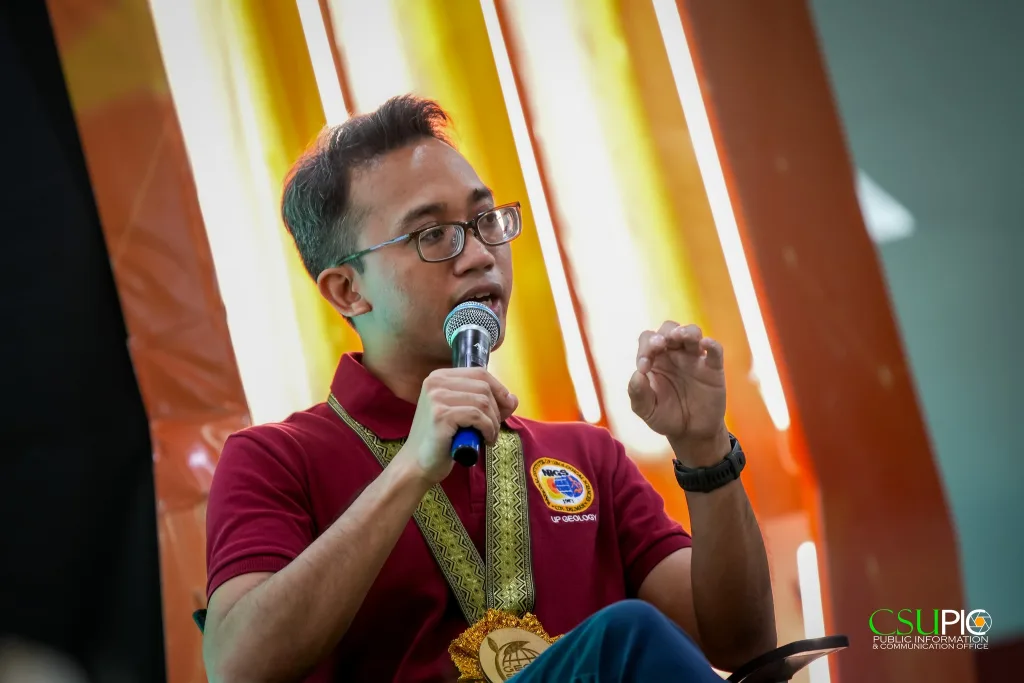
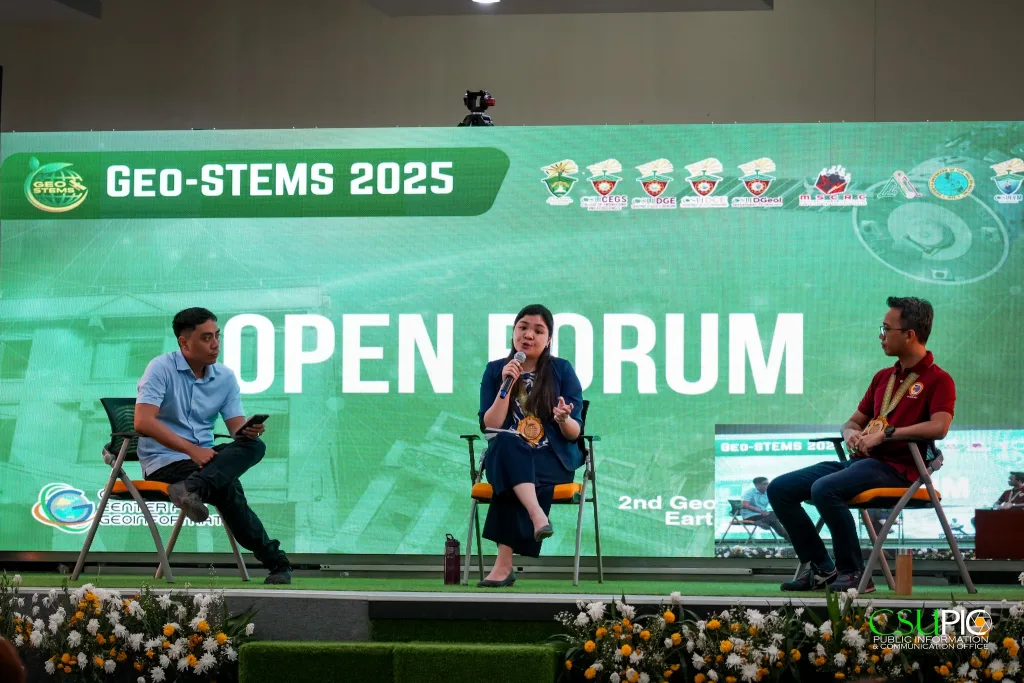
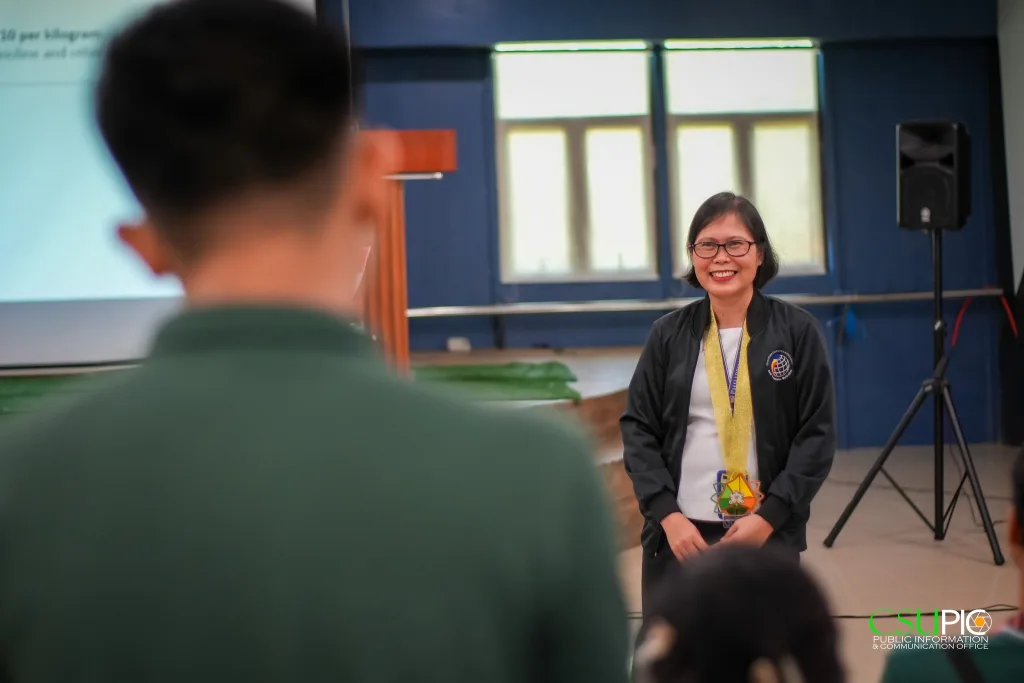
The convergence of multiple disciplines for innovation and a sustainable future was central on Day 3 of the LIKHA Summit, October 2, with the opening of LIKHA-Dunong and GEO-STEMS, which highlighted the value of education, humanities, social sciences, and geospatial technologies, complemented by LIKHA Estadistika, a pioneering initiative that celebrates Statistics as both a science and a tool for progress.
LIKHA-Dunong Conference
With the theme: Driving Sustainable Futures through Educational and Social Research and Innovation, the 3rd installation of LIKHA-Dunong promotes education, humanities, and social sciences as shaping forces for sustainable and inclusive futures.
The plenary talks focused on the application of critical research on language, stewardship, inequalities in gender, and insights from educators utilizing Outcomes-based Education (OBE). Dr. Mark B. Ulla from Walailak University, Thailand, focused on the use of critical research in language utilization in classrooms. He called for the challenging of the dominant structures of organization in education. “Teaching is never neutral”, Dr. Ulla said. “We have to challenge these inequalities in our classrooms”, he added. This was further supported by the talk of Dr. Surendran Rajaratnam of the Universiti Kebangsaan Malaysia, as he shared his insights on the inequalities of gender in the lens of social work practice.
Further, Dr. Yancy Toh of the Nanyang Technological University emphasized the value of stewardship in building sustainable ecosystems in education. The series of plenary talks was wrapped up by Dr. Felisa E. Gomba and Dr. Natalie Ann A. Alaga of Samar State University, where they laid out the concepts, frameworks, philosophies, and structures of OBE. The plenary culminated with a short open forum.
Two parallel sessions followed in the afternoon, centering on Cultural and Social Studies and Education and Pedagogy.
GeoSpatial Technologies for Earth Monitoring Symposium
The GeoSpatial Technologies for Earth Monitoring Symposium brought together experts, researchers, end users, and geospatial enthusiasts to explore recent advancements in remote sensing, photogrammetry, and spatial information sciences for earth monitoring and analysis.
This year’s theme, “Elevating Geospatial Technologies in Natural Hazards and Risk Reduction and Management,” framed discussions on the role of geospatial tools in disaster preparedness and resilience. Plenary speaker Dr. Pamela M. Tolentino, Honorary Research Associate at the University of Glasgow, introduced geomorphic tools and nature-based strategies that prioritize ecological resilience over purely structural interventions. She presented a national-scale geodatabase created from 5-meter IFSAR DEM, accessible through an ArcGIS web app, which enables comparative analyses of river networks across the country.
Dr. John Dale Dianala, Assistant Professor at the UP National Institute of Geological Sciences, demonstrated how Satellite Radar Interferometry (InSAR) is revolutionizing earthquake and geohazard monitoring in the Philippines by detecting ground displacement and identifying locked fault segments where stress accumulates. Beyond earthquakes, he showed how InSAR applications extend to monitoring volcanic activity, subsidence, and infrastructure stability.
Meanwhile, Dr. Jayrold P. Arcede, Project Leader of the Machine Learning of Physics-based Earthquake-Induced Landslide Parameters for Efficient Prediction and Warning in the Philippines (ML-PREP) Project, emphasized the role of machine learning, remote sensing, and geoscience integration in advancing early warning systems.
DAY FOUR, October 3
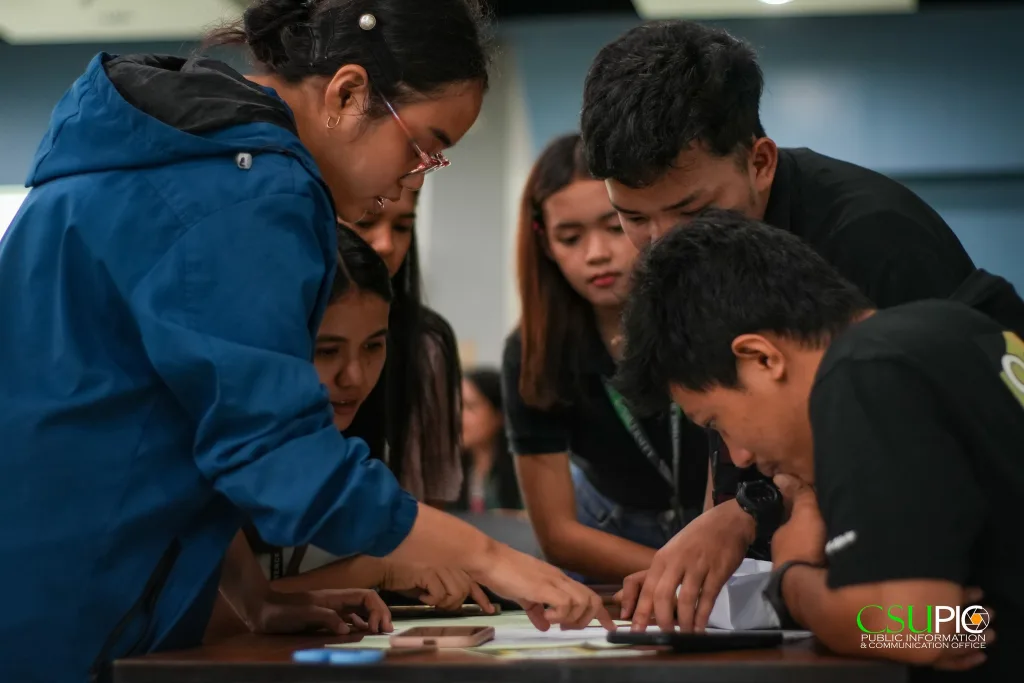
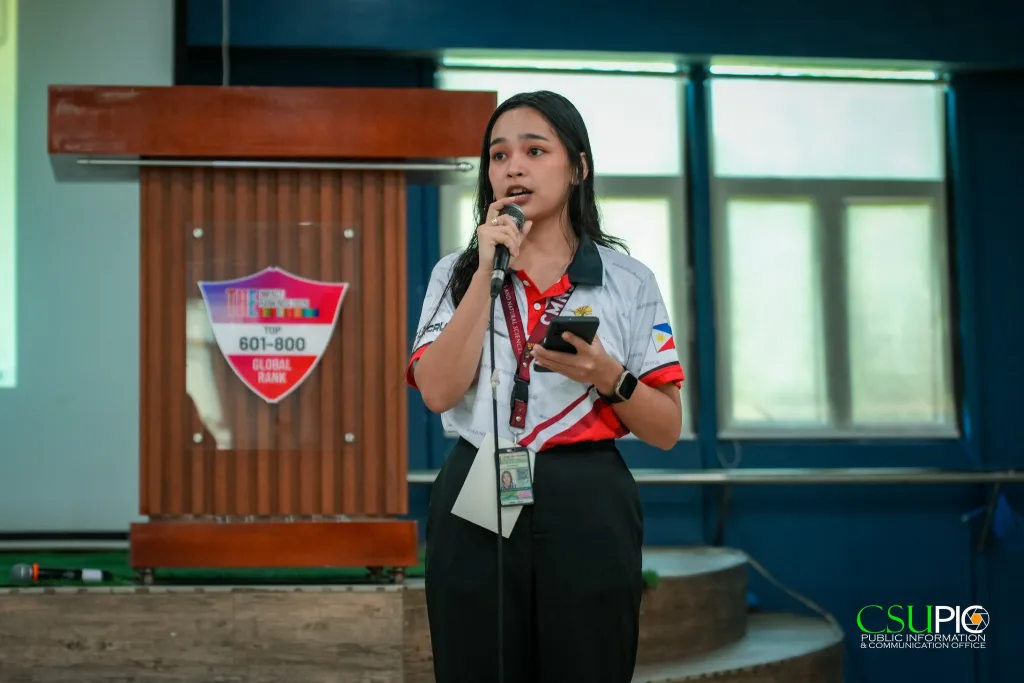
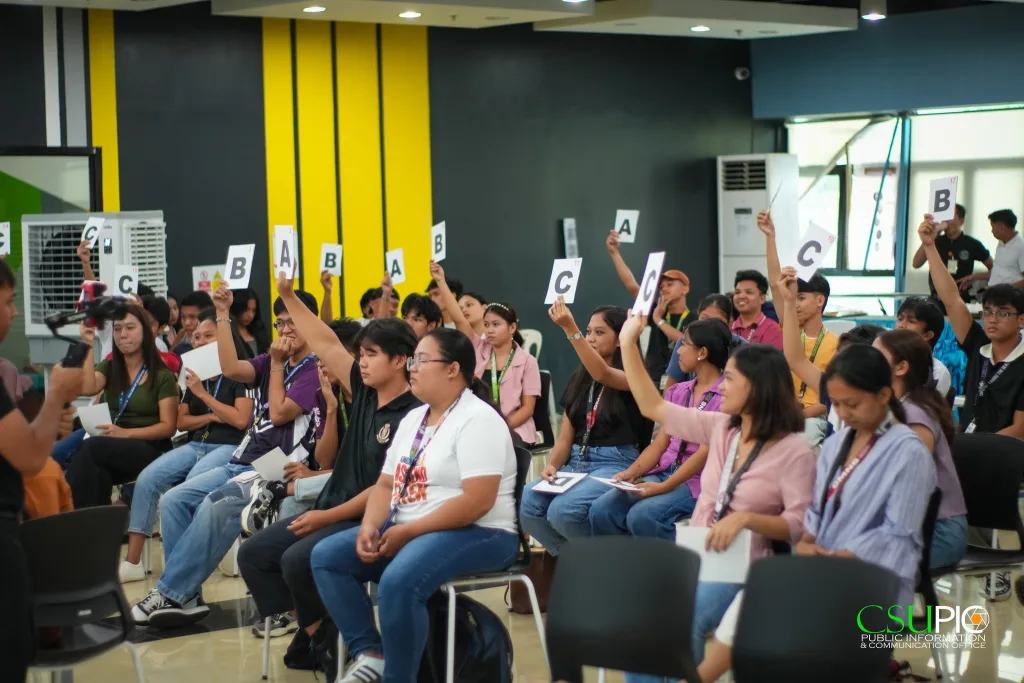
The final day of the 3rd LIKHA Summit gave a unique approach of learning and play, marked by the launch of Caraga State University’s 1st LIKHA Estadistika. Aptly themed around STARS or the Statistics Teaching through Active and Rewarding Strategies, the event drew inspiration from a summer camp on Gamifying Statistics held in Thailand, where CSU faculty and alumni immersed themselves in creative approaches to teaching mathematics.
LIKHA Stadistika aimed to bridge the gap between theory and practice for students of Applied Mathematics, Mathematics, and those in teaching internships. The sessions offered a glimpse into how statistics can be taught more interactively, transforming lessons into experiences that spark curiosity and critical thinking. This activity created a fun-filled conclusion to the LIKHA Summit by bringing a fresh perspective to the reimagining of statistics education.
Writers and Contributors: Aquessa R. Piamonte, Mark Angelo C. Pineda, Almar Dela Cerna, Romel Bansag, Robert Lee Bawiga, Jeszianlenn Plaza, Jay Melvin Bonares, Jeremiah Napone, Colynn De La Cruz, and Junar Lingo