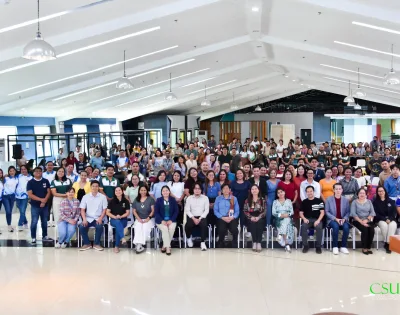

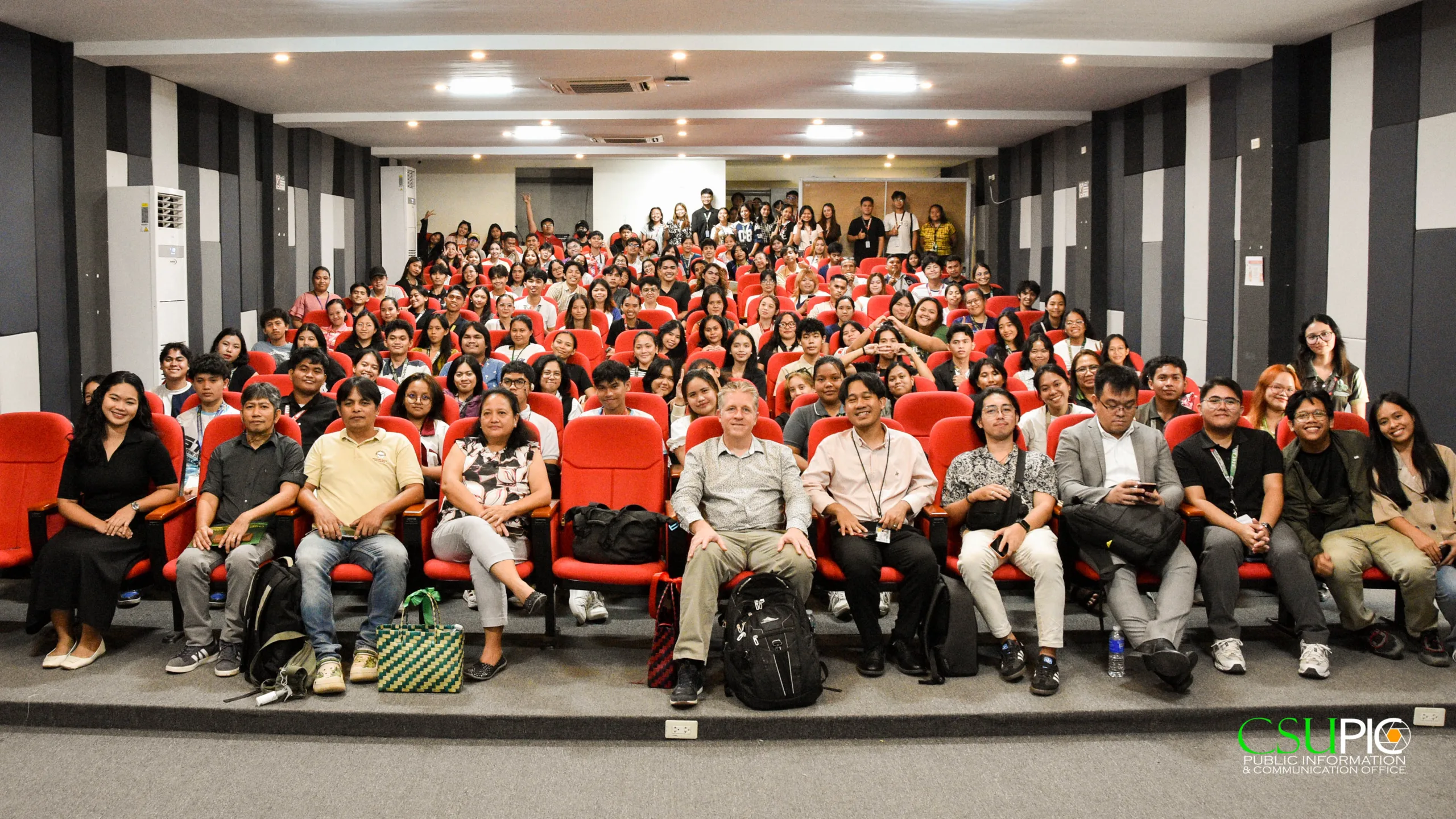
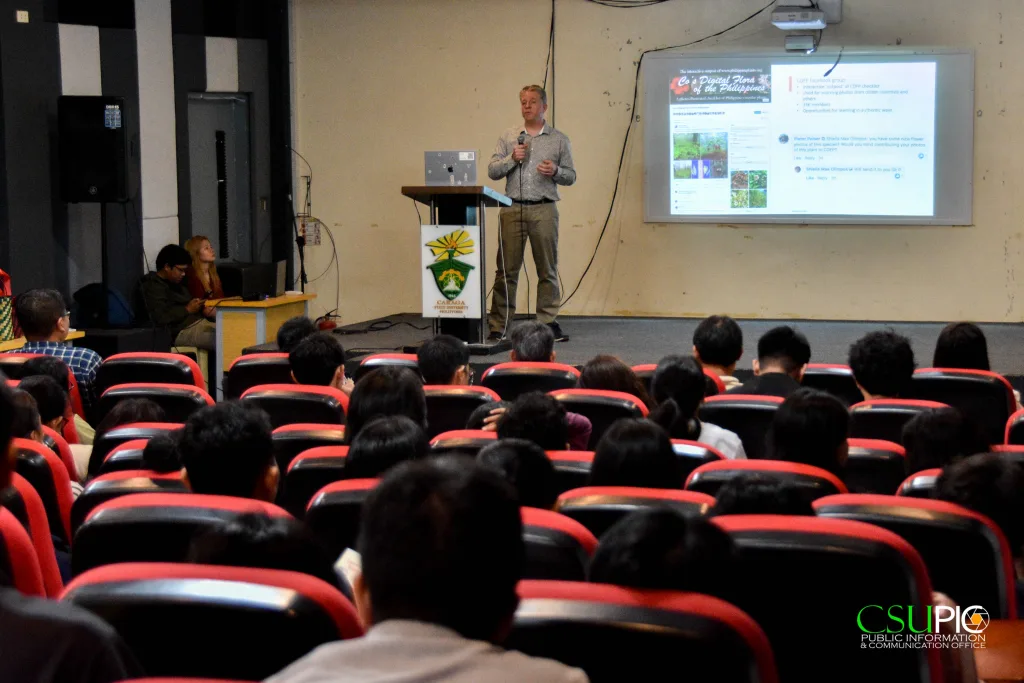
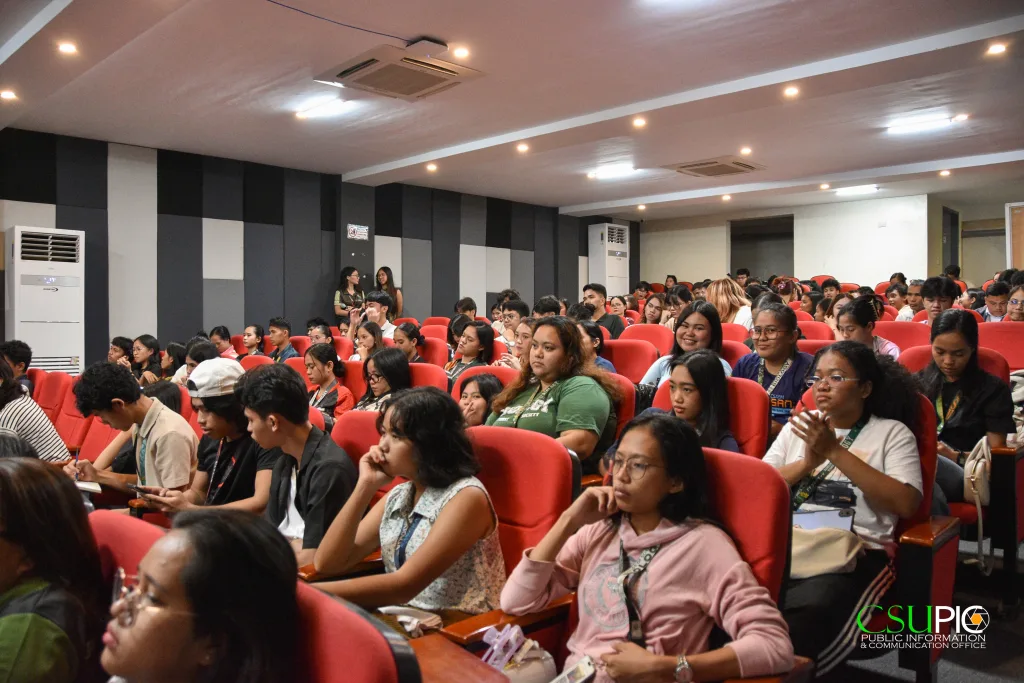
Caraga State University (CSU) proudly hosted the Scientific Talk on “Information Synergy for Philippine Plant Diversity: Unpacking Data from Digital Flora and Herbarium Records” on Wednesday, November 27, 2025, at the Kinaadman Auditorium. The event brought together internationally acclaimed plant experts, who highlighted the critical role of digital platforms and herbarium collections in advancing the documentation and conservation of the Philippines’ rich plant diversity. A total of 197 participants, comprising faculty members, researchers, and students, actively engaged in the forum, which highlighted Co’s Digital Flora of the Philippines (CDFP), a free and comprehensive online catalog of Philippine vascular plants, alongside essential herbarium curation practices that strengthen biodiversity research and preservation.
The symposium was initiated by the research project “Species Composition and Vegetation Analysis in Mt. Hilong-Hilong, Barangay Mahaba, Agusan del Norte, Philippines,” led by Dr. Meljan T. Demetillo. The specialized knowledge shared, particularly the best practices for species documentation and data digitization, will directly support the Mt. Hilong-Hilong project’s methodological needs and data validation. Furthermore, the insights contributed to enhancing the collections and data management of the herbarium specimens stored in the university’s Natural Science Museum, which will also serve as the primary repository for the plant samples collected in Mt. Hilong-Hilong.
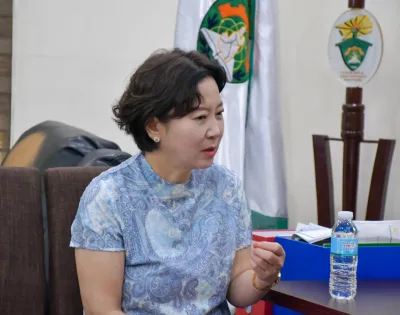
Dr. Pieter B. Pelser, Professor of Plant Systematics and Herbarium Curator at the University of Canterbury (New Zealand) and co-founder of the CDFP, opened the discussion with his talk, “Teaching Botany in the Digital Age: Lessons from the CDFP.”
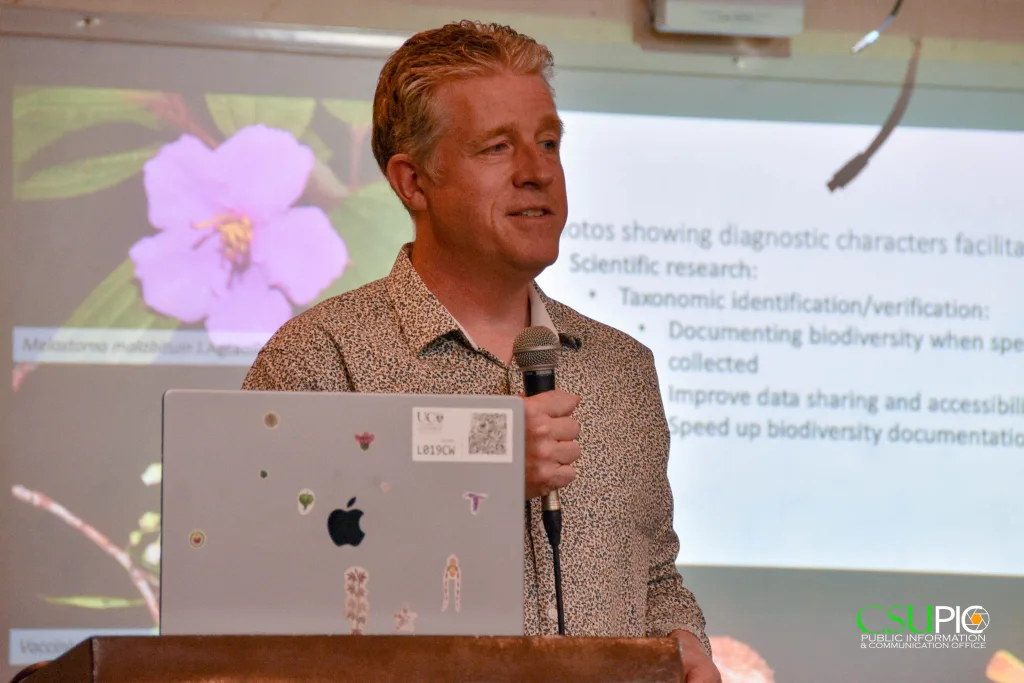
“We cannot protect what we do not know,” Pelser stated. He emphasized that conservation begins with knowledge, facilitated by CDFP’s illustrated species database, which enables rapid and accurate research.
Following this, Dr. Julie F. Barcelona, a renowned expert on Philippine ferns and Rafflesia from the same university, presented on “More Than Just Dried Plants: The Multifaceted Role of Herbaria.” She stated that the herbarium is far more than an archive of dried plants. It is an irreplaceable biological library that holds the historical keys to species distribution, ecological shifts, and climate change response. Hence, securing these physical records and digitizing their data is our critical mandate today.
These talks hold profound significance amid the Philippines’ status as a global biodiversity hotspot, home to 5% of the world’s flora with over 75% plant endemism and nearly 1,000 threatened species from habitat loss and climate change. This initiative not only benefits the research project but also energizes the academic community by educating students and researchers with practical steps to effectively contribute to the documentation and conservation of the Philippines’ flora.