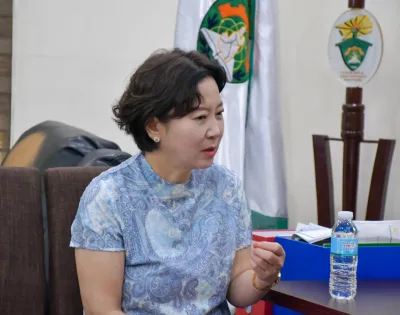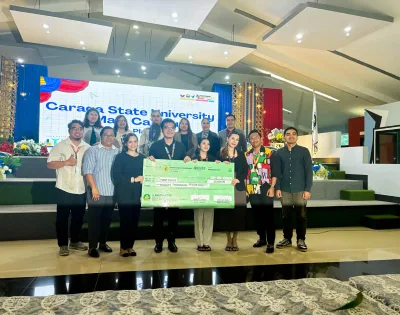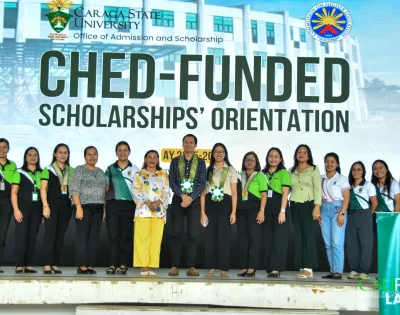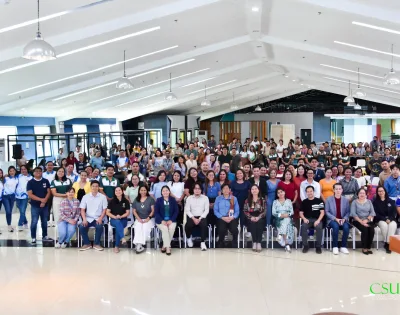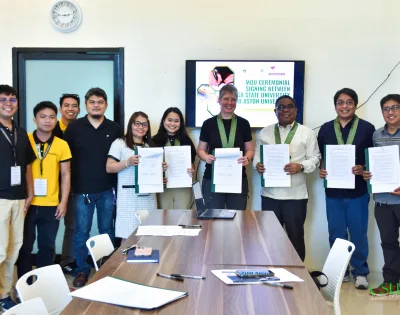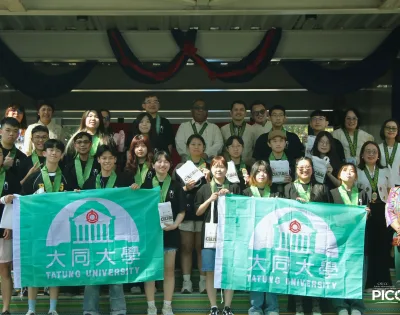


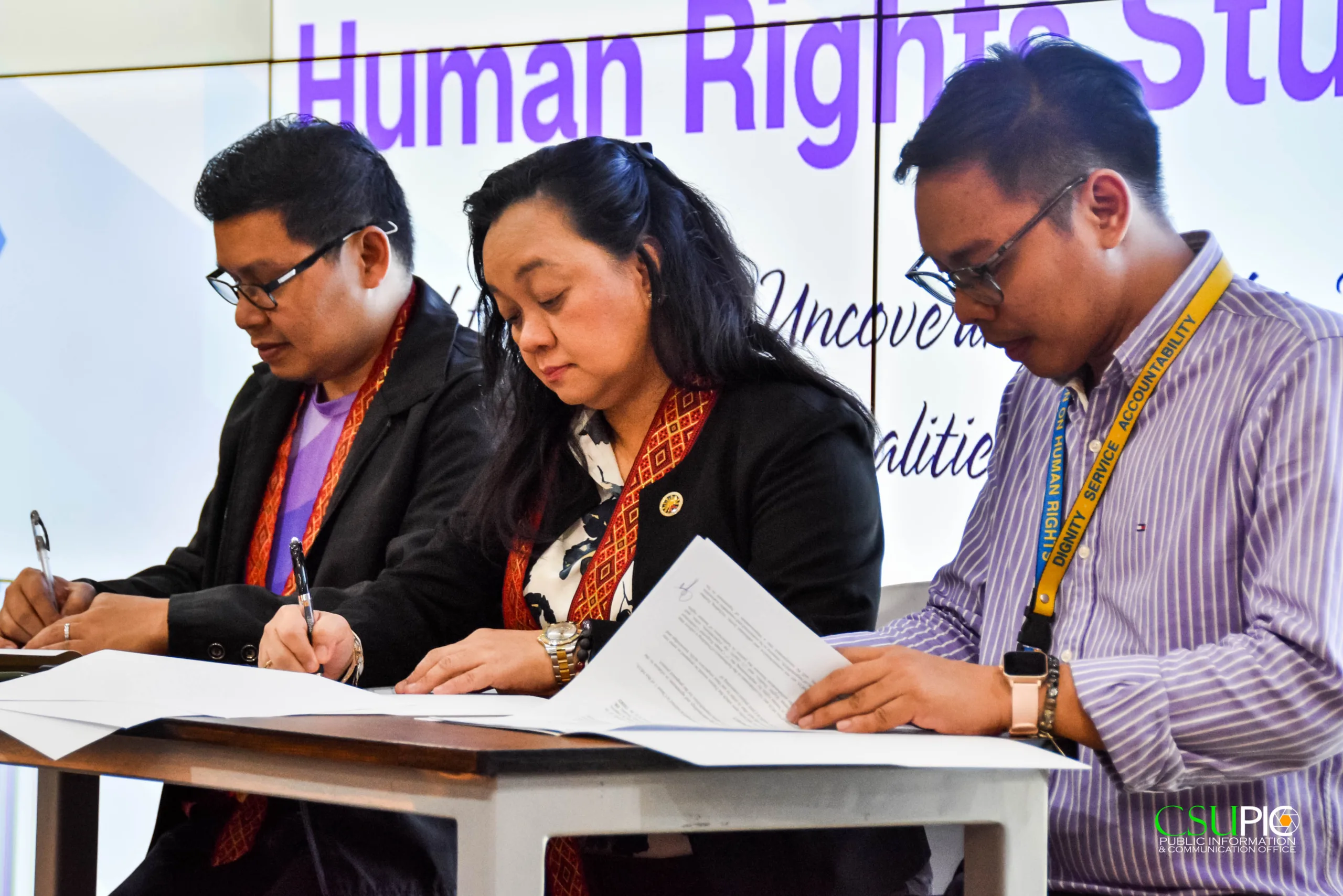
Caraga State University reached a significant institutional milestone on March 25, 2026, by formalizing the strategic partnership of the conference collaborators of the 1st Caraga Regional Research Conference on Gender and Human Rights Studies. During the research conference, a ceremonial signing of a Memorandum of Agreement took place between CSU, the Commission on Human Rights Caraga, the Commission on Higher Education Caraga, and the Friedrich Naumann Foundation for Freedom Philippines. This agreement serves as a vital foundation for integrated efforts in human rights education and regional monitoring within the H.E.R.O. Learning Commons.
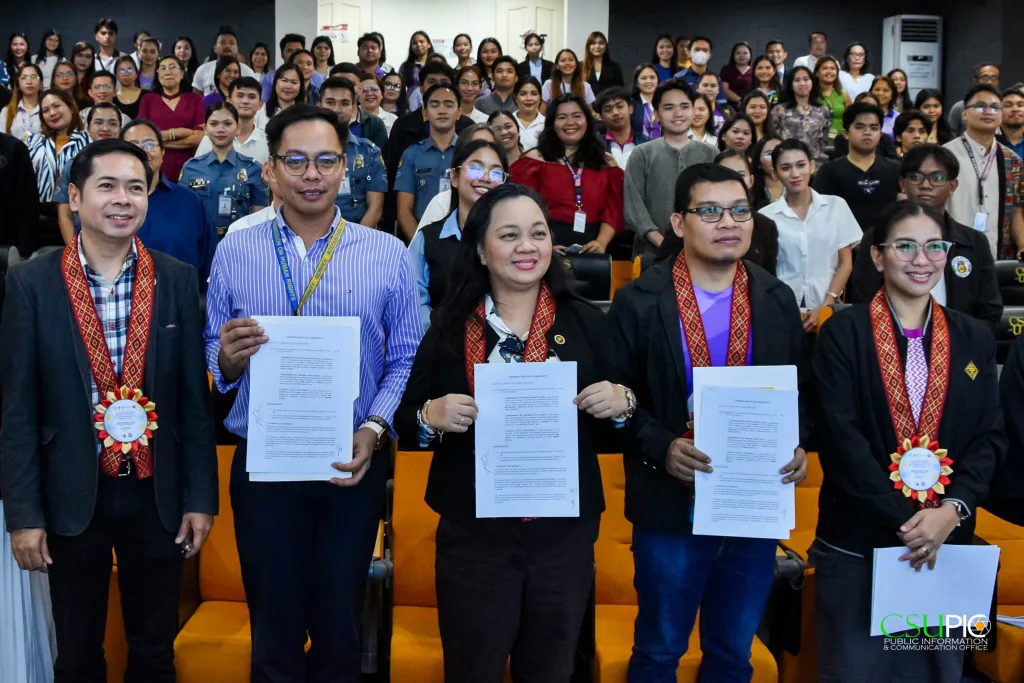
The university administration expresses profound appreciation for the collaborative spirit demonstrated by these primary partners. The leadership of the CHED Caraga provided the essential institutional mandate required to prioritize gender research across the academic sector. Simultaneously, the CHR Caraga offered its dual expertise as a national institution and gender ombud to ensure that all discussions remained grounded in legal protection and human dignity. The FNF for Freedom Philippines served as a cornerstone international partner, providing the strategic resources and organizational guidance needed to execute this inaugural gathering.
A major achievement of this conference was the clear validation of the university as a trusted leader in gender-responsive initiatives. Due to the professional execution of the program and the high quality of research presented, the FNF for Freedom Philippines expressed an explicit intention to sustain its sponsorship for the 2nd Caraga Regional Research Conference on Gender and Human Rights Studies. This future commitment highlights the deep level of confidence that international and national agencies have placed in the capability of the university to manage large-scale advocacy projects.
In addition, researchers from across the Caraga region and potentially from other regions and at the national level are expected to take a keen interest in next year’s conference installment. While it remains to be seen who will participate, the event is shaping up to be a milestone in gender and human rights research, making it something the academic community and stakeholders will surely want to watch closely.
This enduring connection ensures that the progress made during National Women’s Month will continue to influence regional policy and academic curricula. By establishing these firm bonds with prestigious organizations, the university strengthens its role as a catalyst for social change and human rights literacy. The success of this collaboration creates a sustainable pathway for researchers and stakeholders to address the unique challenges faced by women and minorities in the region. This alliance remains a powerful example of how academic institutions and government agencies can work together to build a more equitable society.