
- Home
- Campus Life
- Inclusivity and Diversity
Gender and Development Office
The Gender and Development (GAD) Office promotes an inclusive, safe, and equitable environment across CSU’s Butuan and Cabadbaran campuses. It leads efforts in mainstreaming gender equality, diversity, and social inclusion in academic and administrative functions, empowering students, faculty, and staff while ensuring dignity, respect, and equal opportunities for all.
Objectives:
- Promote a safe, inclusive, and gender-fair environment across both campuses by ensuring dignity, equity, and respect for all;
- Raise awareness and understanding of GEDSI (Gender Equality, Disability and Social Inclusion) through advocacy, education, and integration across instruction, research, and services;
- Institutionalize gender-responsive systems in human resource management to ensure fairness and protection from discrimination and harassment;
- Address gender and inclusion needs through responsive programs, protection mechanisms, and support services;
- Conduct capacity-building on GEDSI and Safe Spaces to strengthen a culture of respect and accountability;
- Serve as CODI Secretariat and assist in case management to effectively prevent, manage, and mitigate gender-based violence (GBV) and sexual harassment in a fair, confidential, and survivor-centered manner;
- Build partnerships with agencies to reinforce CSU’s commitment to gender equality and prevention of gender-based violence; and
- Uphold respect for diversity, promoting equality for women, men, LGBTQIA+, persons with disabilities, and other marginalized groups.
Contact Information
- CSU Student Services Building, Caraga State University Ampayon, Butuan City, Philippines
- gad@carsu.edu.ph
- 0919 7960 641
GAD Activities
Overview of the key activities, programs, and services implemented by the Gender and Development Office. These initiatives are designed to meet our strategic objectives and fulfill our core mandate of promoting gender equality and mainstreaming gender-responsive policies.
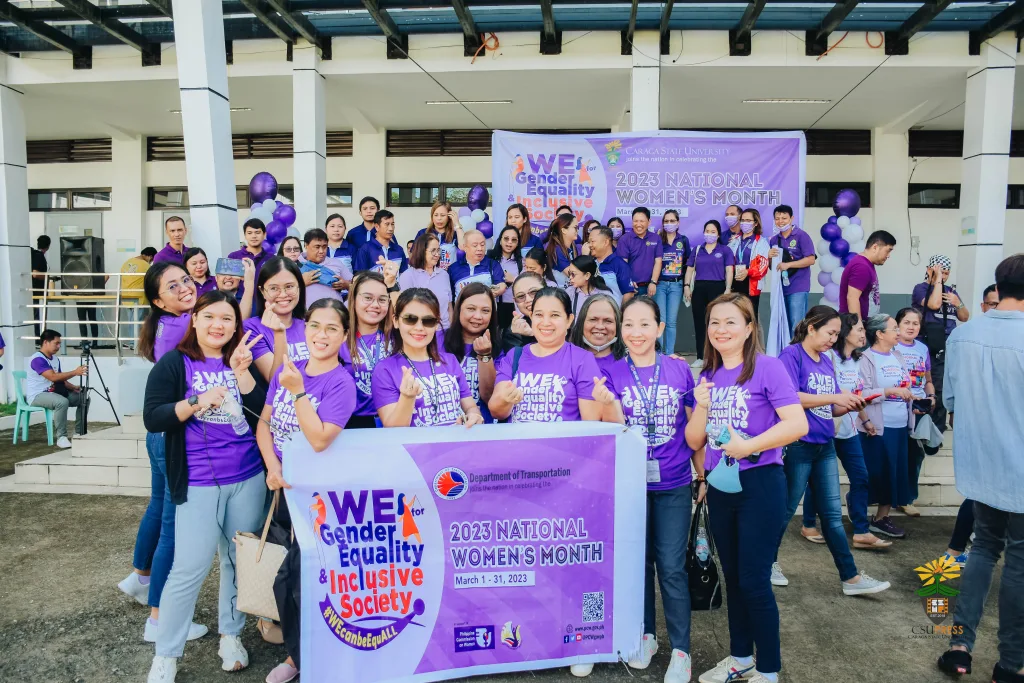
Women's Month
Kinaadman grounds filled with purple-colored crowd as the RGADC- Regional Gender and Development Committee spearheaded the opening of National Women’s Month with the recurring theme “We for Gender Equality and Inclusive Society. #WecanbeEquALL”. The opening was hosted by our institution as part of the University’s continued efforts and commitments to promote gender equality and women empowerment.
GADvocacy
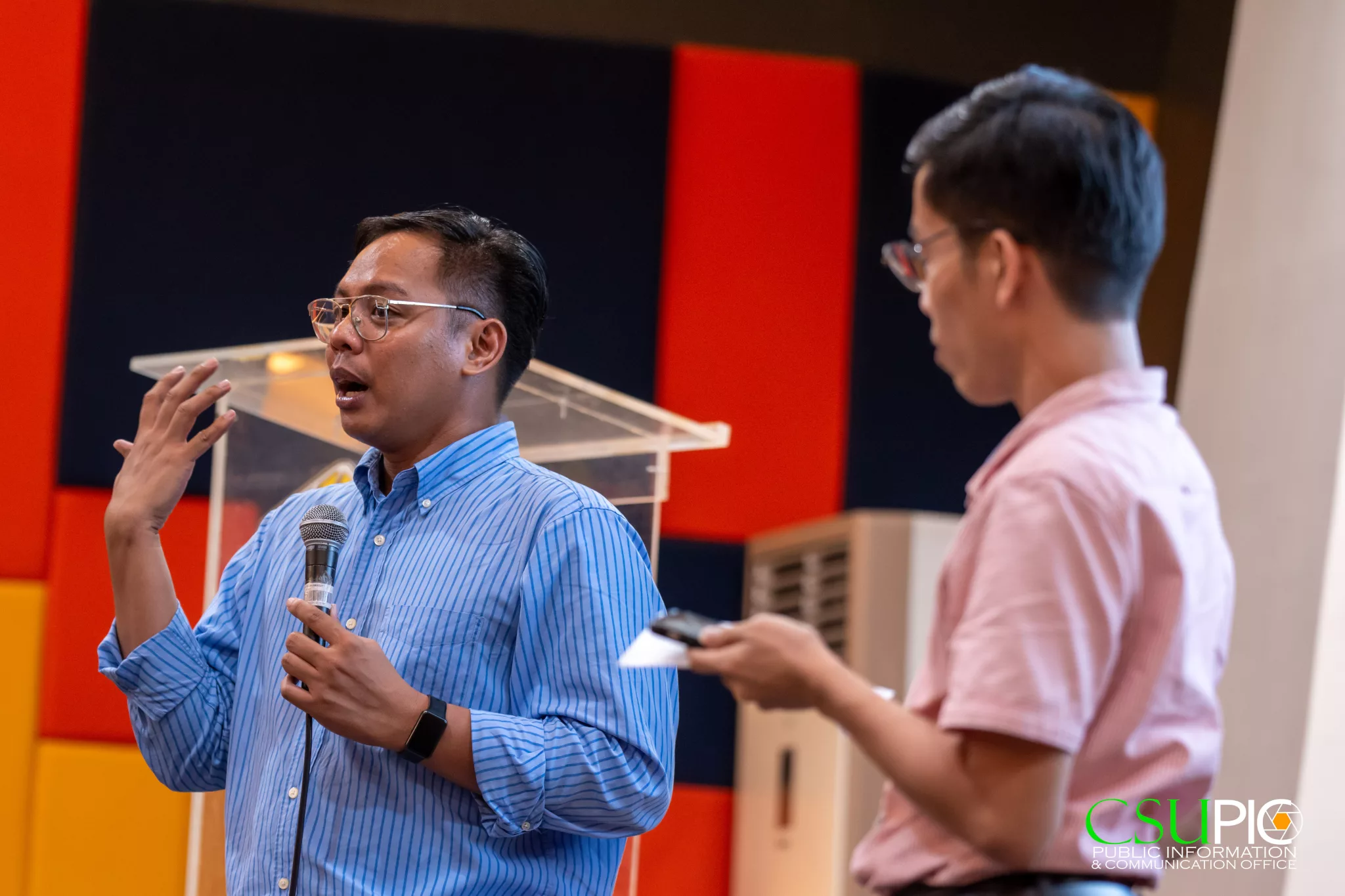
Sustaining its support for personnel well-being and development, the CSU Gender and Development Office led a workshop on Fostering Well-Being, Parenthood, and Mental Health Awareness on May 29, 2025, at the HERO Learning Commons Auditorium. The discourse tackled the importance of men’s well-being, often overlooked by societal pressure and conditioning, covering mental health and emotional resilience, responsible parenthood, gender sensitivity, and masculinity.
Gender Sensitivity Training
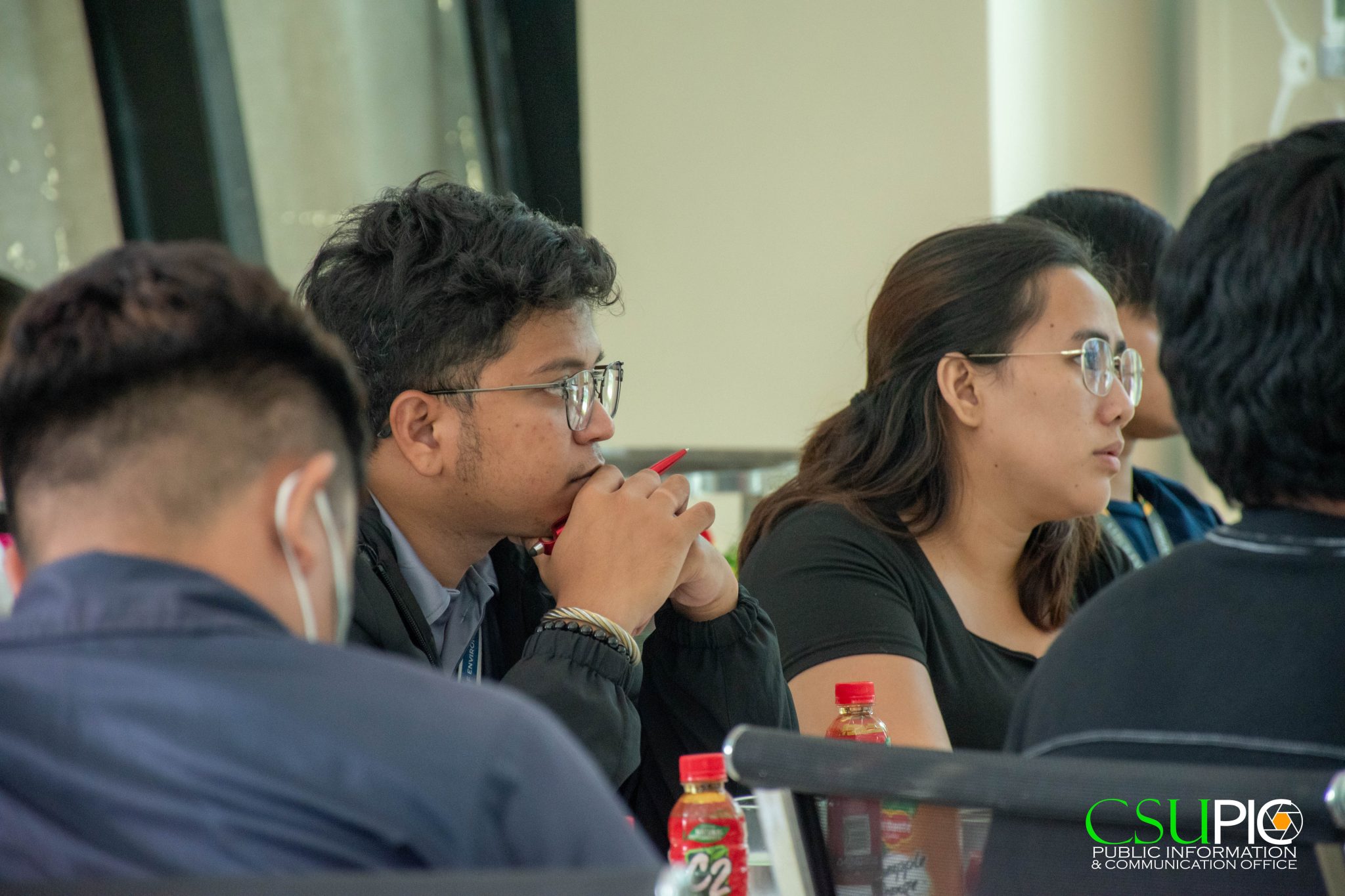
Fifty-eight (58) teaching and administrative personnel of Caraga State University participated in a Gender Sensitivity Training on March 20-21, 2025, aiming to broaden their awareness about the rights, duties, and obligations of all genders and, in turn, promote equality. For the newly hired personnel, the training serves as an initial step in understanding how gender influences societal responsibilities, development, and relationships.
GAD Services
Advocacy and Awareness Campaigns, Gender Sensitivity and GEDSI Training
Conduct workshops and seminars for students, faculty, and staff on gender equality, diversity, inclusion, and Safe Spaces.
Organize events, forums, and campaigns to raise awareness on GEDSI, inclusivity, and prevention of gender-based violence.
Policy Development and Advisory
Provide guidance on gender-responsive policies, human resource practices, and inclusive systems across campuses.
Psychological First Aid and Referral Services
Offer confidential support, referral, and assistance for survivors of gender-based violence (GBV) and sexual harassment.
CODI Secretariat and Case Management
Manage and mitigate GBV and sexual harassment cases in a fair, confidential, and survivor-centered manner.
Collaboration and Partnerships
Partner with local agencies, NGOs, and government offices to strengthen programs on gender equality, protection, and empowerment.
Gender Parity and GPB Monitoring and Evaluation
Systematically track and evaluate the implementation of gender-responsive programs and services to measure progress, identify gaps, and ensure continuous improvement toward achieving gender parity goals.
Caraga State University Safe Spaces Code
Caraga State University (CSU) firmly believes in the inherent dignity and fundamental human rights of every individual within its community. This belief serves as the cornerstone of our commitment to fostering a respectful and inclusive environment across all facets of administrative and academic life.
Aligned with this unwavering commitment, CSU unequivocally condemns and prohibits all forms of gender-based violence and sexual harassment. Such behaviors directly contradict the core principles of respect, equality, and safety that the University strives to uphold, hindering the creation of a conducive atmosphere for learning and professional growth. Our dedication to eliminating gender-based violence directly supports the achievement of SDG 5: Gender Equality, which calls for the elimination of all forms of discrimination and violence against women and girls.
To realize our vision of a gender-fair, safe, and supportive campus environment, we are committed to proactive measures that ensure the physical and mental well-being of all community members. This dedication to fostering an inclusive and non-discriminatory space, free from harassment, intimidation, or any form of abuse, is essential for cultivating a thriving academic and professional community. By prioritizing gender equality, we are directly contributing to the targets of SDG 5, such as ensuring women’s full and effective participation and equal opportunities for leadership.
Classifications of Acts
Prohibited Acts in the Workplace
Grave Offenses
A. Unwanted touching of private parts of the body
(inner thighs, genitalia, buttocks and breast);
B. Sexual assault;
C. Malicious touching;
D. Requesting for sexual favor in exchange for employment, promotion, local or foreign travels, favorable working conditions or assignments, a passing grade, the granting of
honors or scholarship, or the grant of benefits or payment of a stipend or allowance; and
E. Other analogous cases.
Less Grave Offenses
A. Unwanted touching or brushing against a victim’s body;
B. Pinching not falling under grave offenses;
C. Derogatory or degrading remarks or innuendoes directed toward the members of one
sex, or one’s sexual orientation or used to describe a person;
D. Verbal abuse with sexual overtones; and
E. Other analogous cases.
Light Offenses
A. Surreptitiously looking at a person’s private part or worn undergarments;
B. Making sexist statements and uttering smutty jokes or sending these through text,
electronic mail including but not limited to social media platform, causing
embarrassment or offense and carried out after the offender has been advised that they
are offensive or embarrassing or, even without such advise, when they are by their nature
clearly embarrassing, offensive or vulgar;
C. Malicious leering or ogling;
D. Display of sexually offensive pictures, materials or graffiti;
E. Unwelcome inquiries or comments about a person’s sex life;
F. Unwelcome sexual flirtation, advances, propositions;
G. Making offensive hand or body gestures at an employee;
H. Persistent unwanted attention with sexual overtones; and
I. Unwelcome phone calls with sexual overtones causing discomfort, embarrassment,
offense or insult to the receiver; and other analogous cases.
Gender - Based violence and Sexual Harrasment in Streets and Public Places
Grave Offenses
A. Public masturbation or flashing of private parts,
B. Groping,
C. Or any advances, whether verbal of physical,
That is unwanted and has threatened one’s sense of personal space and physical safety,
and committed in public spaces such as alleys, roads, sidewalks and parks.
Less Grave Offenses
A. Unwanted invitations,
B. Misogynistic, transphobic and sexists slurs,
C. Persistent uninvited comments or gestures on a person’s appearances,
D. Relentless request for personal details e. Making statements comments and
suggestions with sexual innuendos.
Light Offenses
A. Engages in acts that include catcalling or wolf-whistling.
Online Sexual Harrasment
Grave Offenses
A. Uploading and sharing without the consent of the victim, any form of media that
contains photos, voice, or video with sexual content,
B. Any unauthorized recording and sharing online of any of the victim’s photos, videos, or
any information of sexual content,
C. Impersonating identities of victims online or posting lies of sexual nature about the
victims to harm their reputation,
D. Filing false abuse reports to online platforms to silence victims of sexual harassment.
Less Grave Offenses
A. Use information and communication technology in terrorizing and;
B. Intimidating victims through Physical, psychological, and emotional threats with
sexual overtones.
Light Offenses
A. Unwanted sexual misogynistic, transphobic, homophobic and sexist remarks, and;
B. Comments online whether publicly or through direct and private messages,
C. Invasion of victim’s privacy through cyberstalking and incessant messaging with
sexual overtones.
Coverage
This Code applies to all members of the CSU community. For purposes of this Code, the term “CSU community” shall refer to all persons, whether natural or juridical, who are affiliated with Caraga State University (CSU), inclusive of its teaching and non-teaching personnel, students, and other designated members as defined herein :
Teaching Personnel – Any individual who serves as a member of the teaching staff of the University, regardless of academic rank or appointment status, including any person assigned with teaching responsibilities.
Non-Teaching Personnel – Any individual employed by the University in a non-teaching capacity, irrespective of the nature or status of their appointment, who does not fall under the category of teaching staff.
Student – Any individual who has been admitted to and is actively registered in any academic program at the University, whether on a regular or part-time basis, including those officially on a leave of absence, provided that they have not been formally separated from the University.
Other CSU Workers – Refers to non-CSU contractual or job order workers who are engaged in a contractual arrangement with the University in either teaching or non-teaching roles. This includes, but is not limited to, coaches, mentors, trainers, consultants, and other personnel fulfilling specific functions under temporary or contracted agreements.
CSU Organizations – Refers to student organizations, faculty groups, or any other formal associations that are registered, recognized, or otherwise affiliated with the University, including those recognized by various University offices or units.
alaGAD
Alalay sa Kasarian at Kaunlaran (Supporters in Gender and Development)
GADvocates
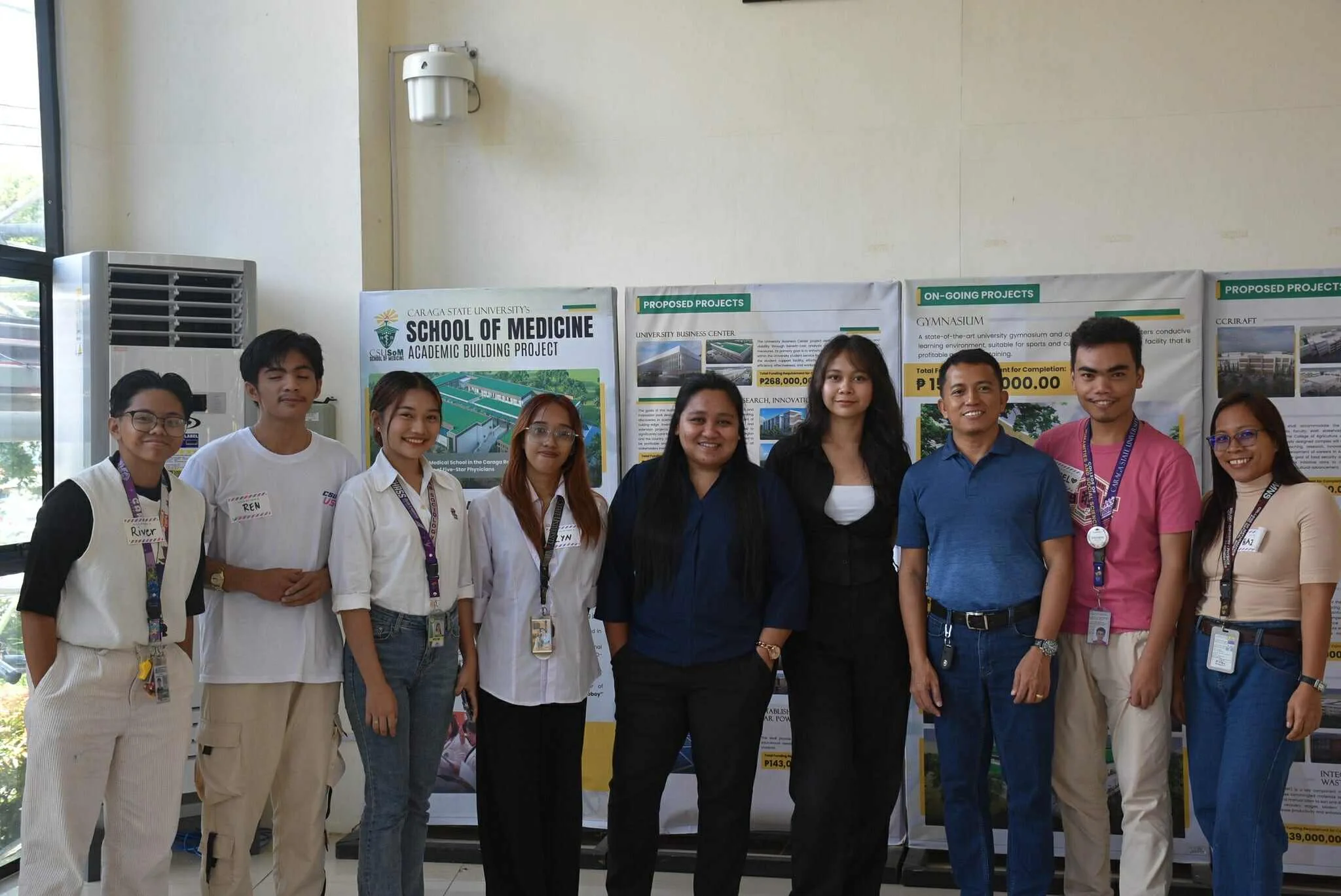
A dynamic group of student volunteers committed to promoting Gender Equality, Diversity, and Social Inclusion (GEDSI) across both CSU campuses. They actively support initiatives, advocacy, and programs that foster an inclusive and equitable environment for all.
PADI (Protection Against Discrimination and Inequality)
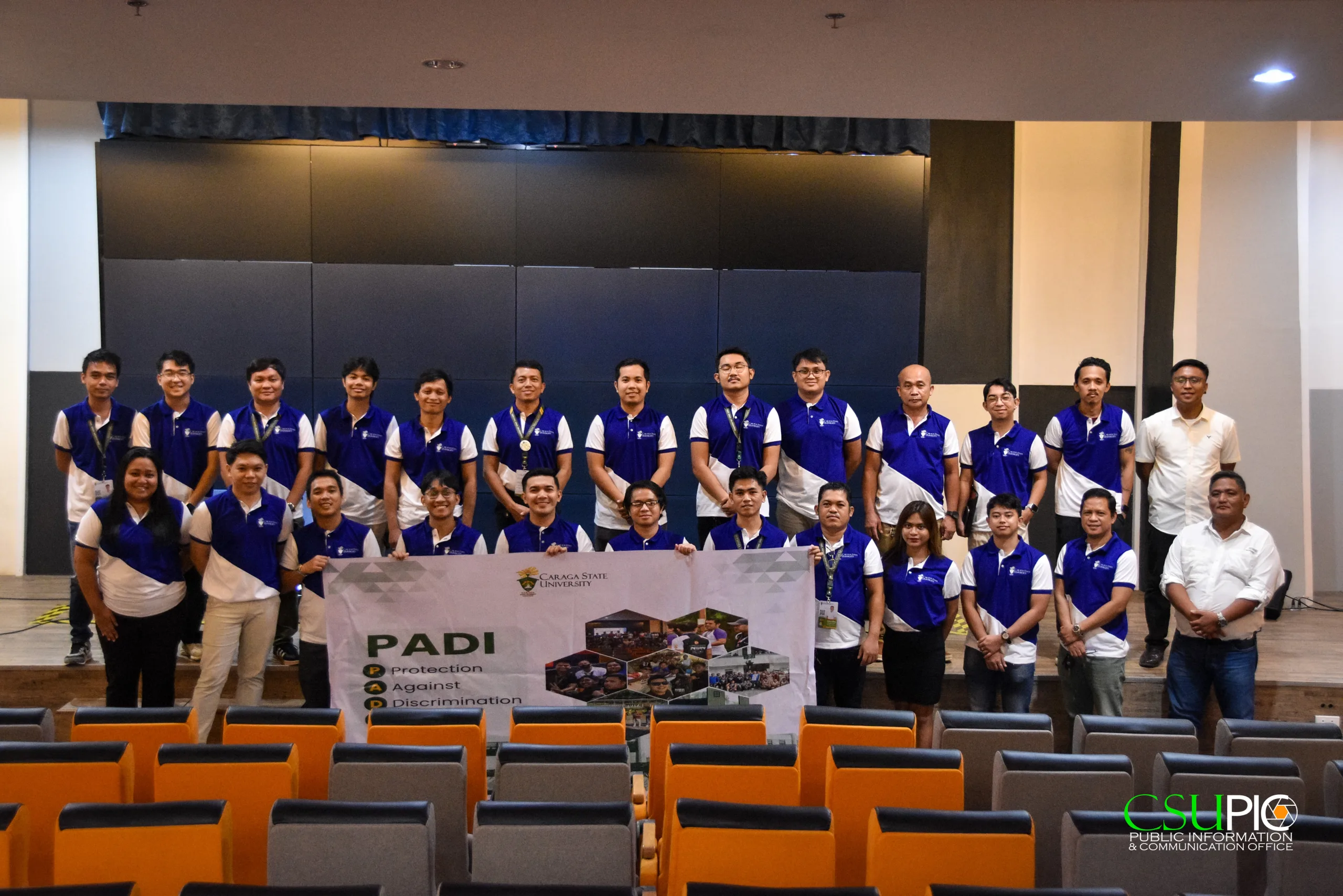
A proactive movement of men standing against all forms of violence, discrimination, and gender-based violence (GBV). PADI champions respect, equality, and safe spaces within the university and the wider community.