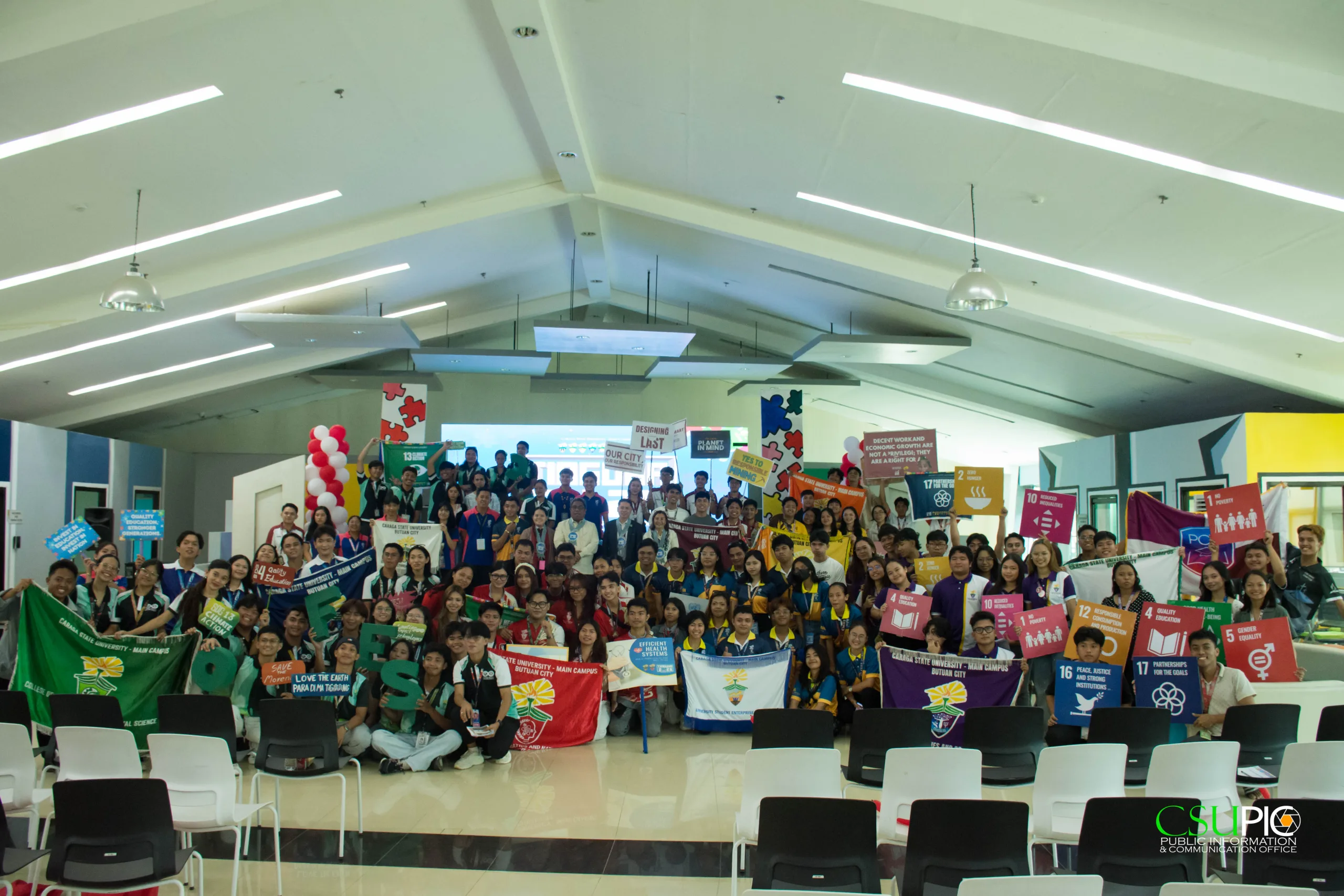
Golden Paddlers elevate SDG involvement in TINGUHA 2026
Golden Paddlers, through the University Student Government (USG) continues to advance its commitment to sustainable...

Caraga State University (CSU) conducts essential research on education emphasizing modern pedagogy and educational practices, including the role of technology. Research efforts also prioritize specialized areas like early childhood development, lifelong learning strategies, and effective models for Technical and Vocational Education and Training (TVET) to support regional development.
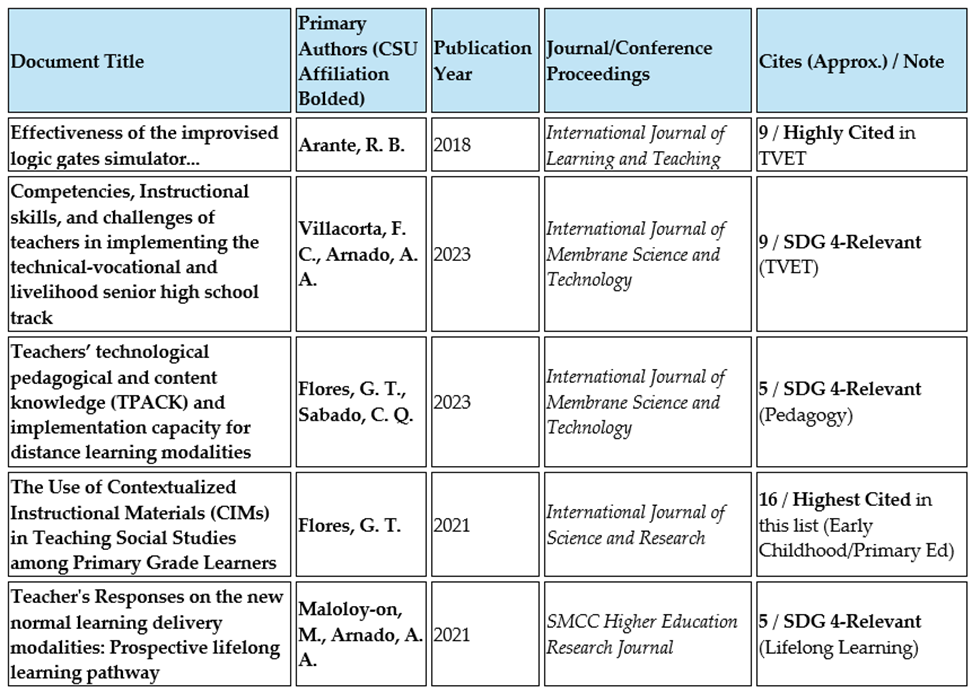
Caraga State University’s Strong Stance on Quality Education in 2024
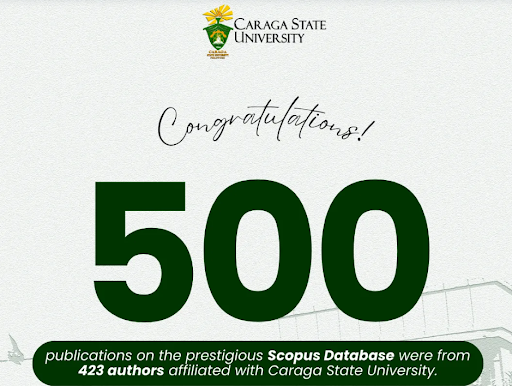
Caraga State University (CSU) firmly established its commitment to Quality Education (SDG 4) throughout 2024, demonstrating its dedication through significant research milestones and institutional advancements. Highlighting this focus, CSU achieved a remarkable feat by surpassing 500 Scopus-indexed papers in August 2024, showcasing a robust research culture that directly contributes to the quality of its academic programs.
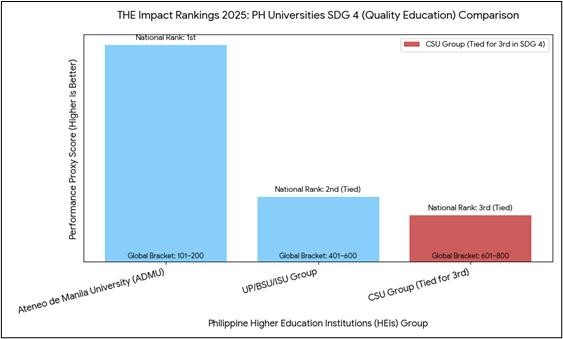
Furthermore, the university’s performance in the 2025 Times Higher Education (THE) Impact Rankings, which assessed 2024 data, saw it ranked prominently in the Philippines for SDG 4, underscoring definitive evidence that CSU’s focus on accessible, application-oriented research (like that found in its Open Access journals and community programs) successfully drives the real-world use and consumption of its academic papers, directly addressing the metric of “Quality Education: paper views.
To maximize the viewing and downloading of its research, CSU has established publishing platforms and utilizes open-access mechanisms.
Open Access Journals: CSU operates institutional journals, such as:
These journals are peer-reviewed and are often open-access (published online), which immediately maximizes accessibility and, consequently, the potential for papers to be viewed and downloaded globally.
CSU research papers are indexed and available on major global scholarly platforms. These channels are the primary means by which researchers discover and download papers, thus generating “paper views.”
CSU Institutional Profile: https://www.researchgate.net/institution/Caraga-State-University
This page aggregates content and affiliated members, where individual papers listed often display “Reads” (views) and “Downloads,” directly quantifying the research consumption.
CSU Researchers’ Visibility: Individual CSU researchers have publicly visible profiles where their papers are indexed and receive citations and high visibility. (e.g., searches for faculty like Professor Jeffrey Dellosa or Dr. Rissa Mercado will show numerous indexed papers). Google Scholar is the most common way researchers find, view, and download free academic papers.
CSU Library Open Access Resources: https://csulibrary.github.io/carsulibrary/pages/about.html
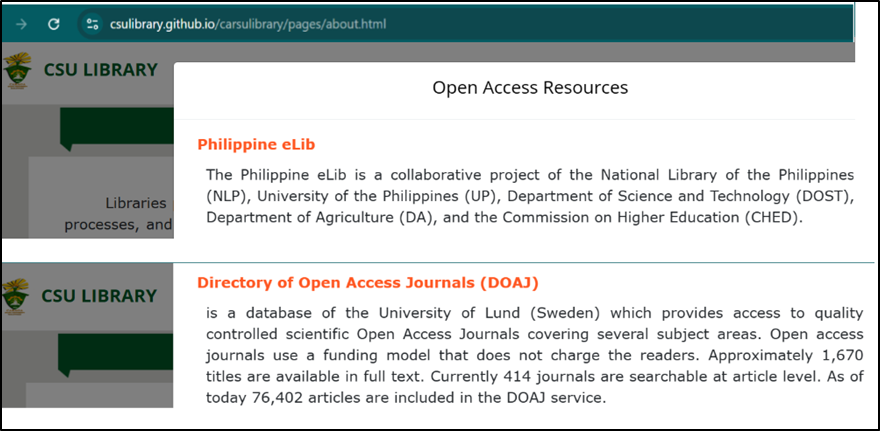
This official library page explicitly lists both the Philippine eLib and the Directory of Open Access Journals (DOAJ) as resources and initiatives the CSU Library is involved with to provide open access to research articles and other materials.
Advancing Quality Education: CSU’s Commitment to Global Impact
Caraga State University (CSU) is actively reinforcing its commitment to SDG 4: Quality Education by focusing on impactful scholarly activity, as reflected in our performance metrics for the 2022-2024 period. We are proud to report 25 units of Scholarly Output dedicated to enhancing educational quality, demonstrating our faculty and researchers’ consistent effort to contribute relevant findings to the academic world.
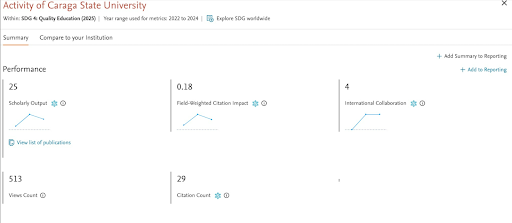
These publications have generated a Views Count of 513 and a Citation Count of 29, confirming that our research is successfully engaging the broader academic community and is being utilized by peers to inform their own studies and initiatives.
4.1.3 Quality Education: publications
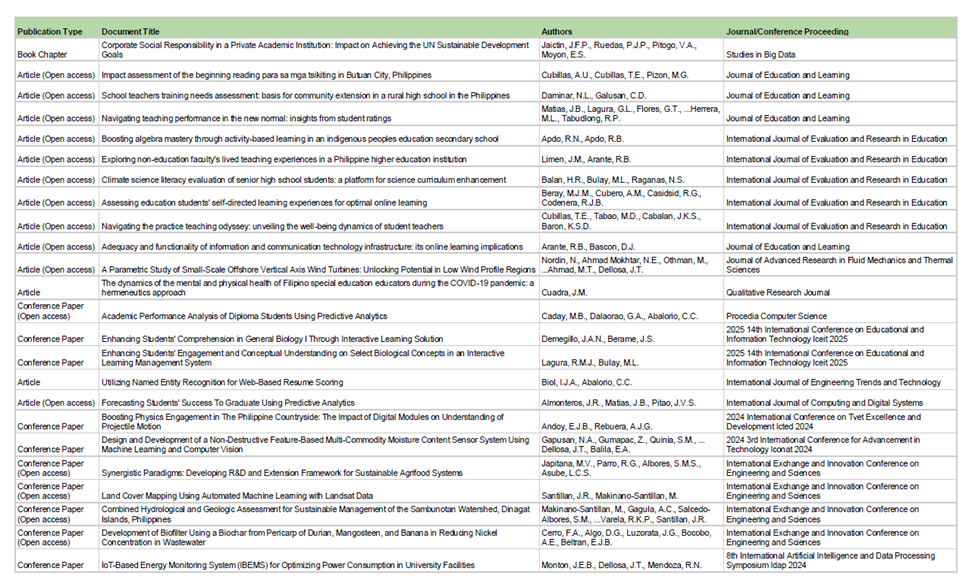
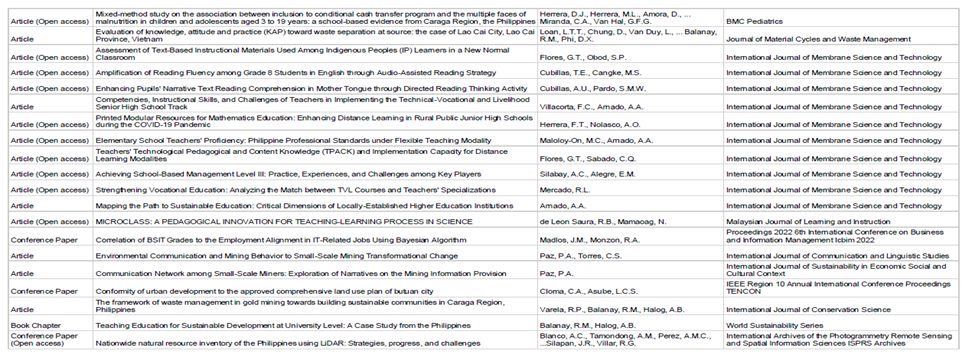
Caraga State University has 782 documents listed on Scopus, with a notable focus on research related to Sustainable Development Goals (SDGs), specifically Quality Education, which accounts for forty-four (44) documents. Much of the recent research, particularly from 2023 to 2025, centers on educational topics within the Philippines, covering areas like navigating teaching performance , assessing self-directed learning for online education , exploring non-education faculty teaching experiences , and utilizing technology to enhance student engagement and comprehension.
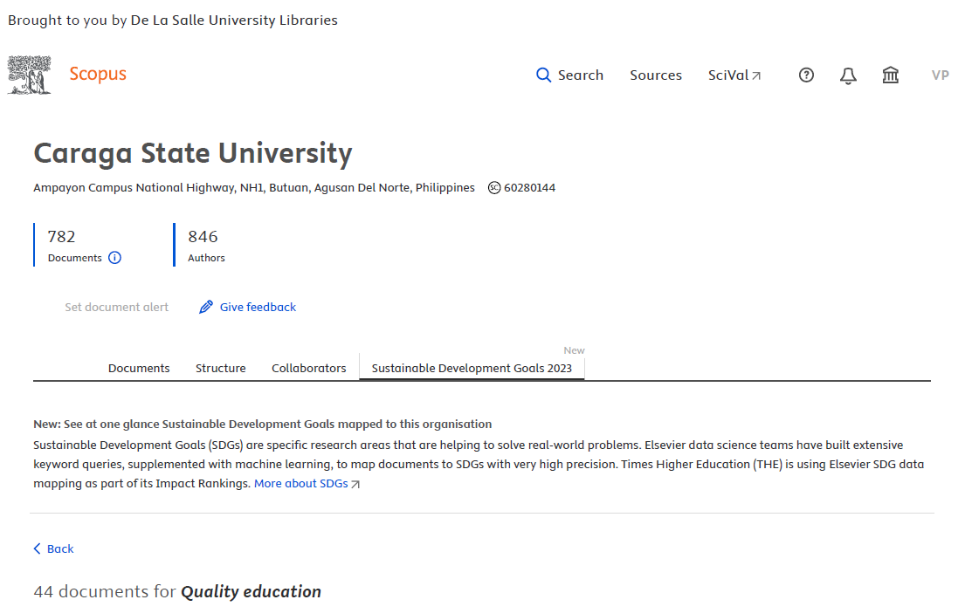
This collection of documents demonstrates the university’s active research across different disciplines, with a clear current emphasis on educational challenges and technological solutions.
Based on the Research, Development, Innovation and Extension 2024 Annual Report, CSU shows strong performance in key research metrics, significantly exceeding targets in most areas.
Source: https://sustainability.carsu.edu.ph/?page_id=1823
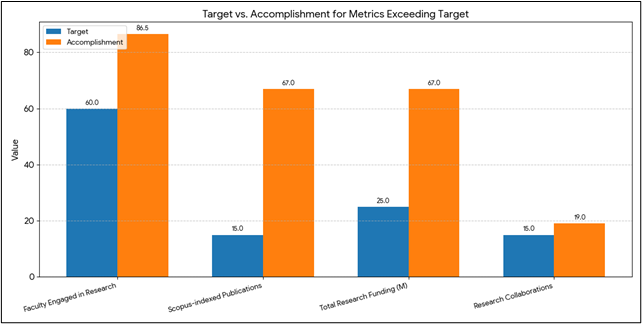
The report indicates a highly research-active faculty, with 86.52% engaged in research against a 60% target. CSU exceeded its target for Scopus-indexed publications by 346.67% (67 publications vs. a target of 15). The Total Research Funding secured was 168.00% above the target (67M vs. 25M). Finally, the number of Research Collaborations surpassed the target by 26.67% (19 collaborations vs. a target of 15). This underscores that CSU positions knowledge generation as the essential mechanism for delivering high-quality, relevant educational services across the entire learning continuum.
4.2 Proportion of graduates with teaching qualifications
Caraga State University (CSU) proudly strengthens its role as a leading institution committed to realizing Sustainable Development Goal 4: Quality Education. Indicator 4.2 specifically measures the proportion of graduates with qualifications for teaching, which is a key factor in promoting lifelong learning and accessible education at all levels.
Our commitment to ensuring a strong pipeline of competent teachers is evident in the successful output of our academic programs for Calendar Year 2024. During this period, 13.25% of graduates or two hundred eighty-seven (287) out of 2144 – comprising 1435 from main campus and 709 from Cabadbaran campus, successfully completed programs that lead directly to teaching qualifications, equipping them with the skills to educate and inspire future generations. This demonstrates CSU’s measurable contribution to national human capital development.
| Program | Number of Graduates with Teaching Qualification |
| Bachelor of Elementary Education | 86 |
| Bachelor of Secondary Education – Mathematics | 53 |
| Bachelor of Secondary Education – Science | 81 |
| Bachelor of Science in Mathematics | 22 |
| Bachelor of Science in Applied Mathematics | 16 |
| Bachelor of Technical-Vocation Teacher Education | 17 |
| Bachelor of Technology and Livelihood Education | 12 |
| TOTAL | 287 |
Through these programs, CSU is advancing the availability of qualified teachers, directly supporting SDG 4.2 and CSU’s mission to enhance the quality and accessibility of education in the region.
Summary of Primary-Level Teaching Qualification (for THE’s Score)
These graduates come from diverse programs from both campuses. Notably, eighty-six (86) or 4.02% of these graduates (Bachelor of Elementary Education) are qualified to teach at the primary school level, highlighting CSU’s contributions to filling critical teaching roles in foundational education.
Level | Total Graduates 2024 | Graduates with Primary-Level Teaching Qualification | % |
Tertiary | 2,144 | 86 | 4.02% |
Calculation: (86 / 2,144) x 100 = 4.02%
Sources:
CSU expands learning beyond campus through digital platforms, community programs, and inclusive policies. The university offers free resources, open courses, public events, vocational training, and school outreach initiatives that uphold SDG 4’s principle of lifelong learning for all.
Free Digital Platforms Extend Lifelong Learning to All
Caraga State University is actively leading the charge for accessible education by utilizing its digital presence to offer a wealth of free educational resources to the public. These resources are freely accessible to the public without login or fees” and “designed for learners who are not enrolled at CSU. This strategic move ensures that education remains accessible, equitable, and empowering for learners across the community and beyond.
The university’s approach transforms its digital channels into an open educational resource:
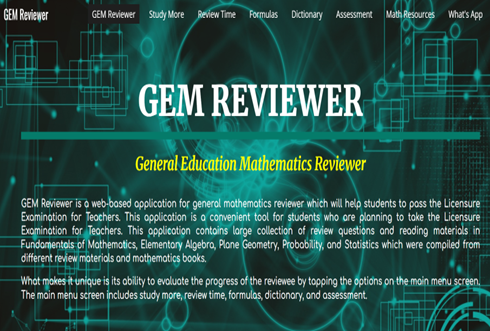
GEM Reviewer is a web-based application for general mathematics reviewer which will help students to pass the Licensure Examination for Teachers. This application is a convenient tool for students who are planning to take the Licensure Examination for Teachers. This application contains a large collection of review questions and reading materials in Fundamentals of Mathematics, Elementary Algebra, Plane Geometry, Probability, and Statistics which were compiled from different review materials and mathematics books.
Link to Site: https://sites.google.com/csucc.edu.ph/math-reviewer/gem-reviewer

The official YouTube channel features a growing library of recorded lectures, tutorials, public discussions, and professional workshops. These videos are entirely free and accessible, allowing professionals, community members, and anyone interested in learning to benefit from CSU’s expertise at no cost.
Link to Channel: https://www.youtube.com/watch?v=AiPAL6EK_0E
The official Caraga State University (CSU) website acts as a central, high-quality hub for Open Educational Resources (OER), proving the university’s commitment to free access to knowledge beyond its enrolled students. Its News and Features sections function as the institutional blogging site, ensuring research insights and specialized knowledge from faculty are shared reliably and at no cost to the public.

Link to Site: https://www.youtube.com/watch?v=AiPAL6EK_0E
 Official Credibility: All content is backed by the university, ensuring resources are verified and high-quality.
OER Access Point: The site serves as the primary gateway to free specialized articles, faculty research, and community educational updates.
Transparency: It provides links to all official departmental pages, enhancing educational transparency for the public.
The official Facebook pages and other social media accounts listed on the Caraga State University (CSU) website act as an immediate, free, and dynamic distribution channel for educational content, fulfilling the university’s commitment to free access to quality education.
Link to List of Accredited Facebook Pages: https://www.carsu.edu.ph/accredited-social-media-pages-of-the-university/
This strategy provides free access in three key ways:
CSU’s use of social media bypasses traditional learning management systems (LMS) and fees, instantly delivering resources where the public already is.
Condensed Lectures: Departments often use these platforms to share bite-sized, high-quality academic content (e.g., infographics, short videos, or text summaries of complex topics) directly from faculty. This lowers the barrier to learning complex subjects.
Up-to-Date Information: By using dynamic platforms like Facebook, the university ensures that educational materials and research updates are current and readily available to both students and the wider Caraga community.
The social media pages transform the university’s public relations into an active source of educational outreach.
Community Initiatives: The pages publish updates on community-based educational initiatives (Extension Modules or free short courses), ensuring that external stakeholders know about available upskilling and learning opportunities.
Zero Cost to Access: The content is entirely free to view, providing a vital resource for professionals, teachers, and out-of-school youth who need review materials or continued professional development without cost.
The accreditation page confirms that these social media accounts are official and managed by the university’s various units (colleges, departments, PICO). This guarantees the quality and trustworthiness of the information shared, a critical component of “quality education.”initiatives. This ensures the public has easy access to up-to-date information and educational materials.
CSU demonstrates how a modern higher education institution can strategically deploy technology to uphold its mission, not just to its students, but to society at large, strengthening its role as a key contributor to the achievement of the 2030 Agenda for Sustainable Development.
Fostering Educational Equity: The Pre-University Intervention Program’s Impact on Underprivileged Students at CSU
The Pre-University Intervention Program (Pre-UIP) is a flagship initiative implemented by Caraga State University (CSU) to promote educational equity and access for underprivileged applicants. This six-week program provides targeted academic support, acting as a free remedial pathway for students who did not initially meet the cut-off score for the CSU Admission Test (CSU-AT).
Program Structure and Free Courses
The Pre-UIP offers free courses focusing on three core academic areas:
Eligibility for Degree Admission: Successful completion and passing performance in all three subjects are mandatory prerequisites for students to gain final admission into their desired undergraduate degree program.
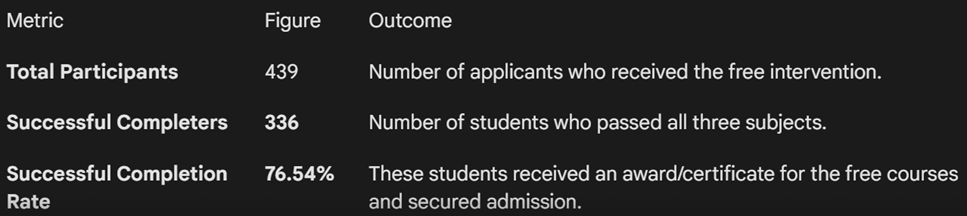
These students received an award/certificate for the free courses and secured admission.
The intervention successfully addressed significant gaps in knowledge and enhanced essential skills in critical thinking and problem-solving. This high success rate confirms the program’s efficiency in providing participants with the necessary academic tools to meet the requirements of higher education at CSU.
Assessment and Institutional Support
The program is underpinned by a rigorous assessment process and strong institutional support:
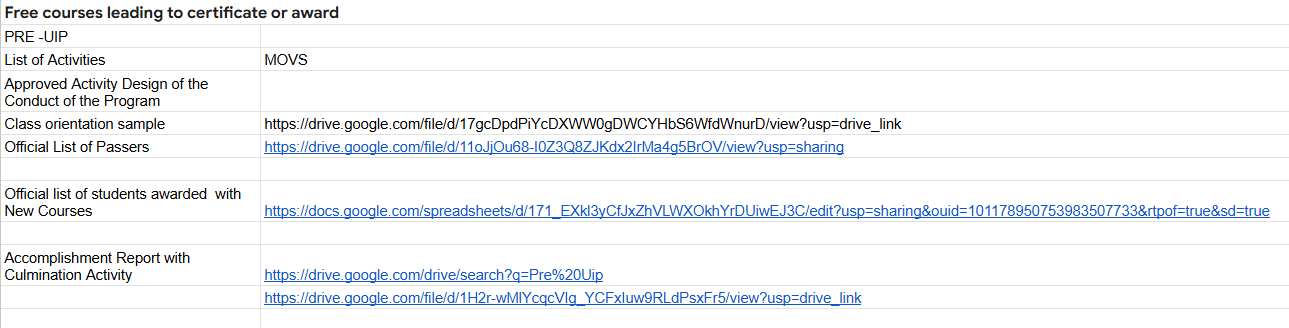
Link to Sources:
https://docs.google.com/spreadsheets/d/1iSleSEBEHvUDyXdO8LuvZBs9ratkuBO721TbyO0Qc14/edit?gid=0#gid=0
Caraga State University (CSU) champions SDG 4’s commitment to accessible, inclusive, and lifelong learning by making campus facilities and services free or low-cost and open to non-students and community members. This approach fosters a learning environment that extends CSU’s resources and spaces to the broader public, ensuring that educational, recreational, and entrepreneurial opportunities are widely accessible.
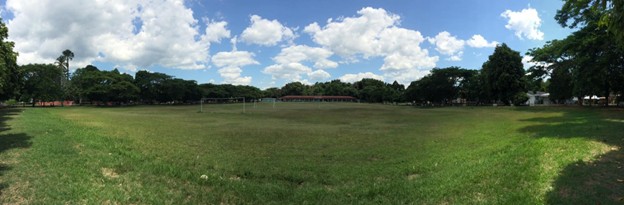
Key campus facilities include:
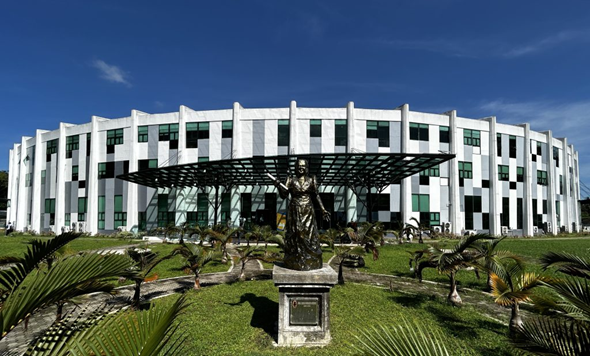
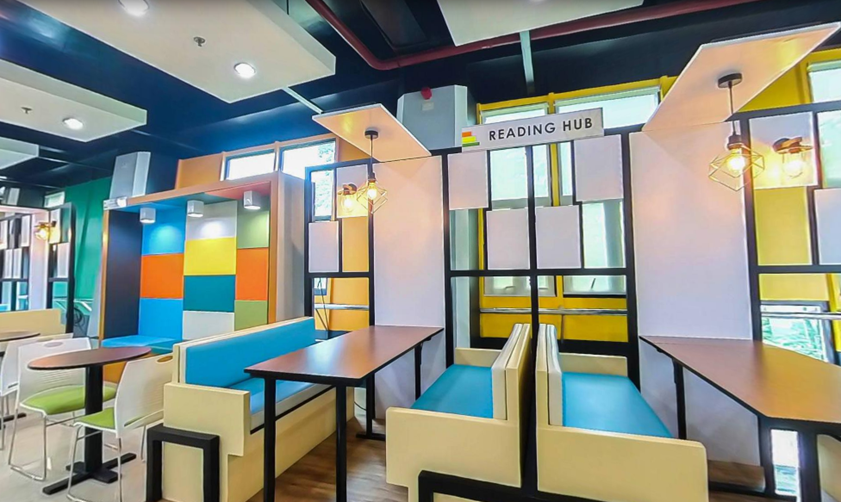
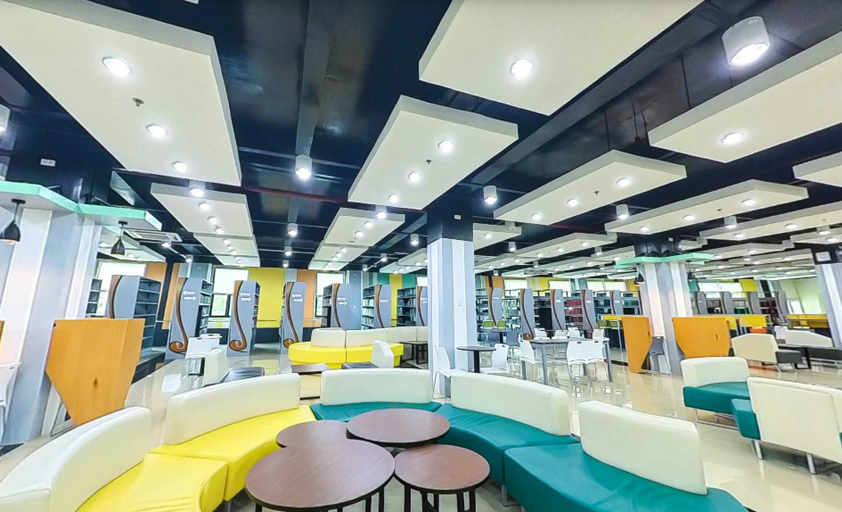 Photo Credit: https://webobook.com/tour/ZmF2GTOt1HNzz5bzh493WMSCHj05DNgv/OR-kqSVRxylmhwu-J7oxvKe1mYJPq7VJ
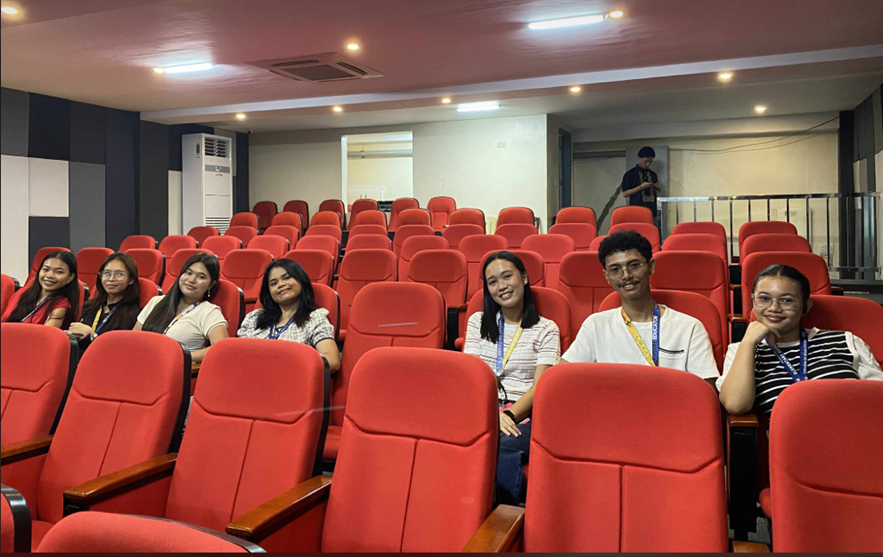
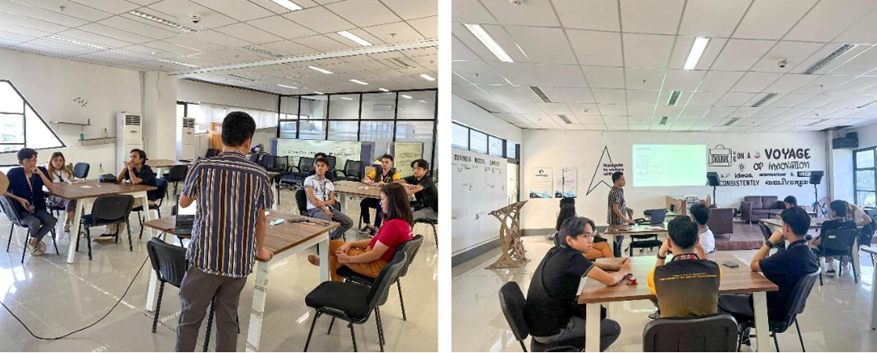
Inside the multi-faceted CSU Learning Commons, the journey to knowledge unfolds across dynamic spaces: the grand CSU HERO Auditorium, the vibrant CSU HERO Activity Loft and Activity Center, and collaborative CSU HERO Discussion Rooms.
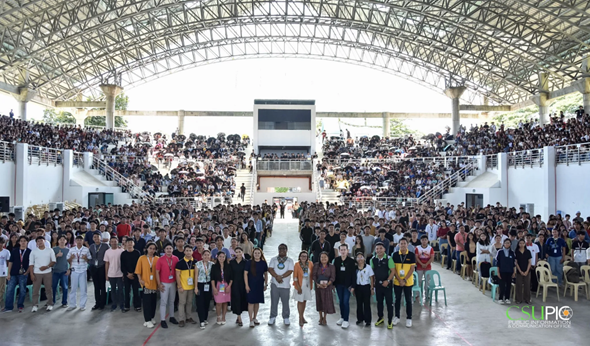
CSU HERO Auditorium- The CSU HERO Auditorium is a significant feature within the Caraga State University (CSU) HERO Learning Commons. As a core component of this advanced facility, the auditorium serves as a modern, multi-purpose venue for major academic and institutional gatherings, such as conferences, lectures, presentations, and large-scale training workshops.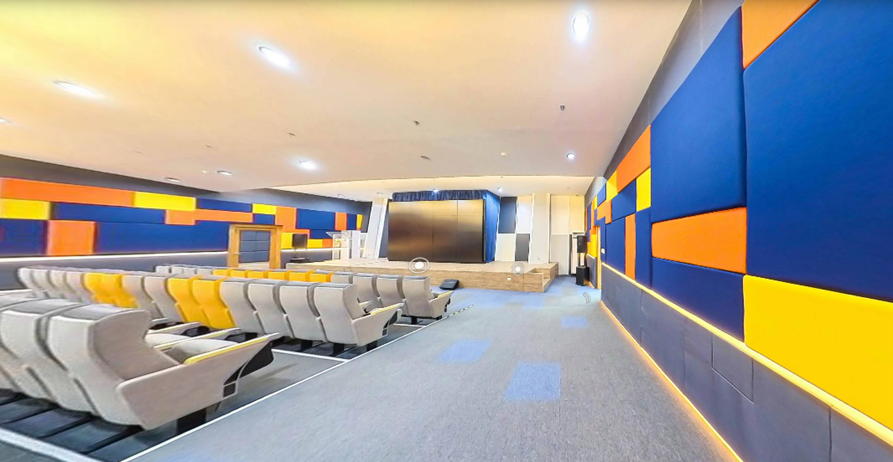
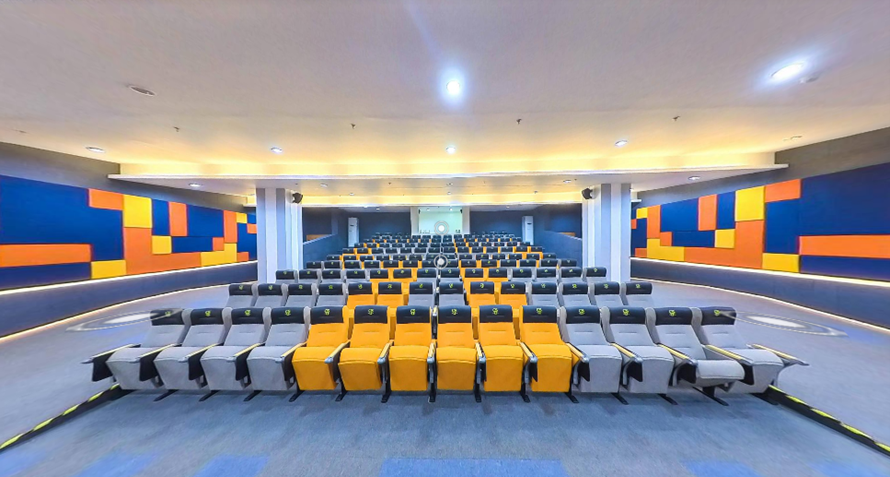
Photo Credit: https://webobook.com/tour/ZmF2GTOt1HNzz5bzh493WMSCHj05DNgv/OR-kqSVRxylmhwu-J7oxvKe1mYJPq7VJ
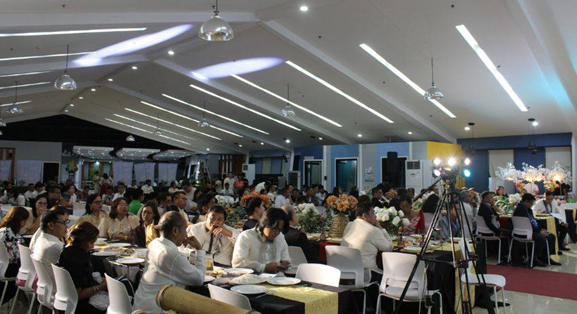
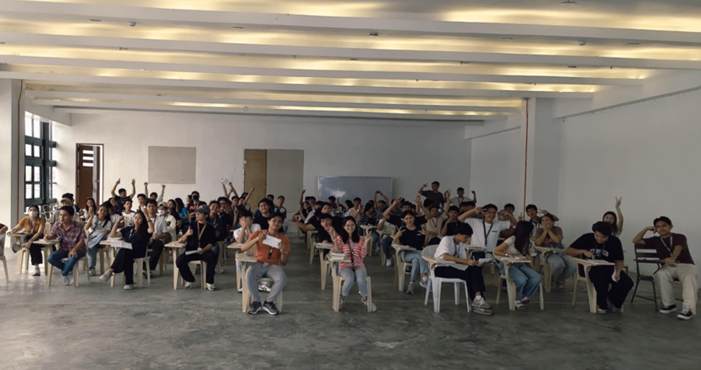
CSU HERO Activity Loft and Activity Center – It is a versatile and vibrant space within the Caraga State University (CSU) HERO Learning Commons designed to be a hub for collaborative, participatory, and dynamic engagements. Functioning as a large, flexible event venue, it regularly hosts significant university activities that go beyond traditional quiet study, such as major conferences, high-level workshops, accreditation surveys, and formal institutional launches. The design of the Loft and Center embraces an open, reconfigurable concept, which allows it to readily accommodate large groups for synergistic events, promoting knowledge sharing, skill development, and networking among students, faculty, and industry partners in a high-energy environment.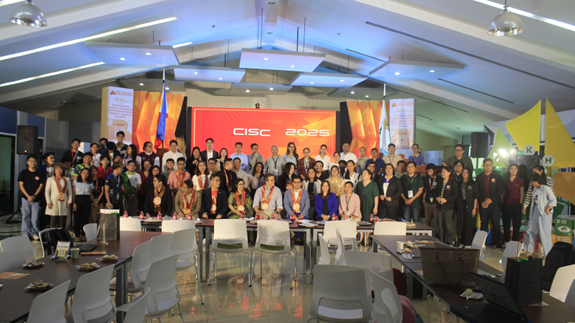
CSU HERO Discussion Rooms – These are essential, purpose-built spaces located within the CSU HERO Learning Commons dedicated to facilitating small-group collaboration and focused academic interaction. These rooms are specifically designed to be highly conducive to group projects, focused study sessions, and intensive brainstorming, moving away from the quiet individual-study areas of the library. Each of the dedicated discussion rooms is technologically equipped, often featuring a Smart TV and a writing glass (whiteboard) to allow groups to easily share digital content, visualize ideas, and engage in high-tech, yet focused, group work. By offering these designated, equipped areas, the Learning Commons actively promotes teamwork and collaborative learning among students and researchers.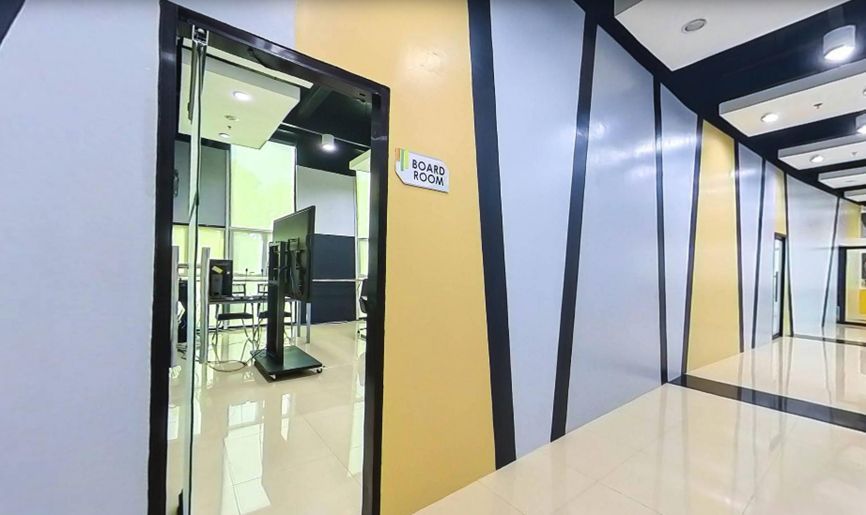
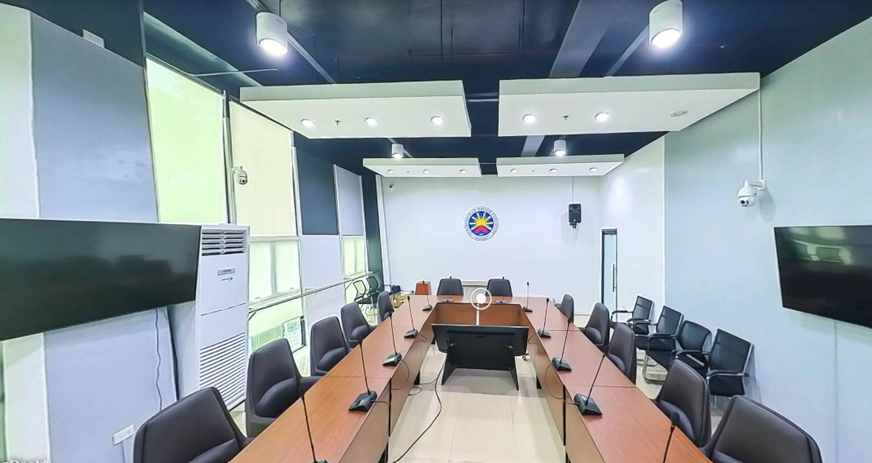
Photo Credit: https://webobook.com/tour/ZmF2GTOt1HNzz5bzh493WMSCHj05DNgv/OR-kqSVRxylmhwu-J7oxvKe1mYJPq7VJ
CSU Internet Cafe – The university’s Internet Cafe is located on the ground floor of the CSU Learning Commons. It features more than 50 computer units for students and faculty to utilize in research activities via the Internet. The cafe is connected to high-speed internet with redundant lines. The cafe is also connected to subscribed learning materials, including journals, e-books, simulation software, and other online resources. Contents from Tech4Ed and Starbooks are also accessible in the cafe.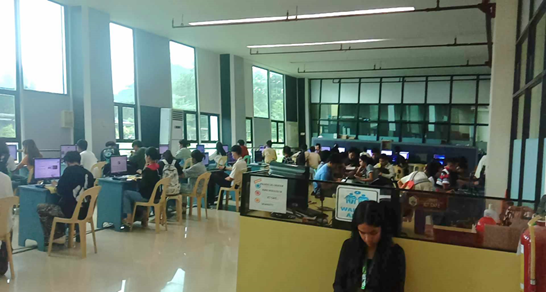
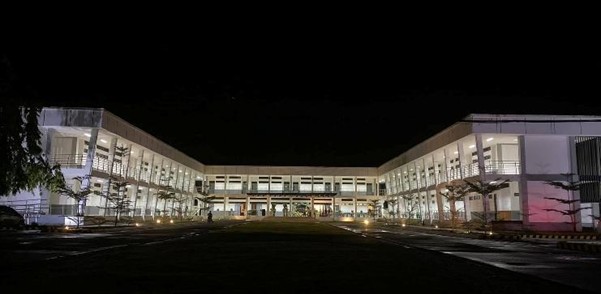
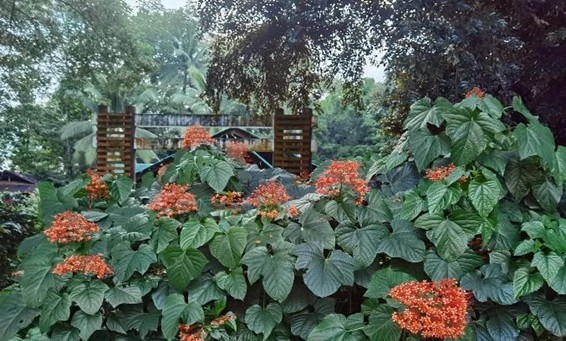
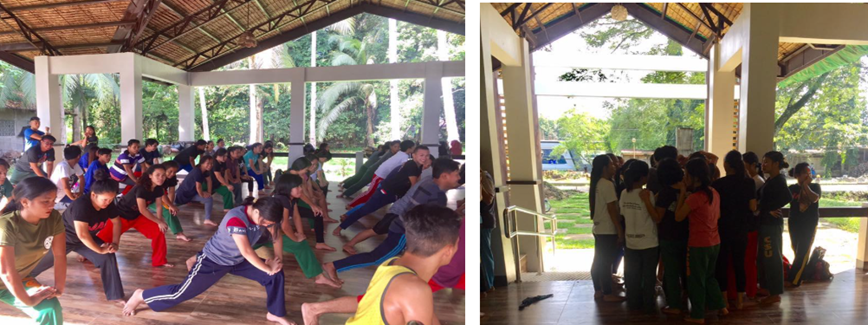
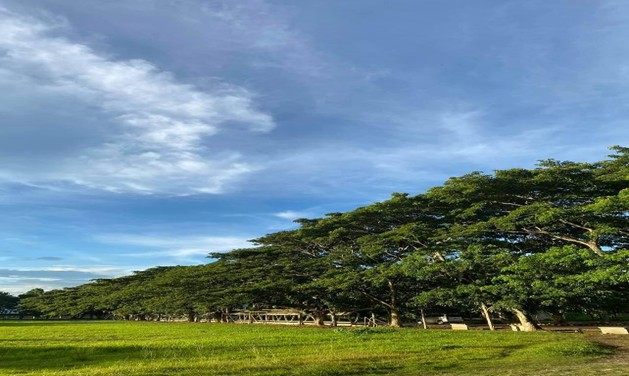
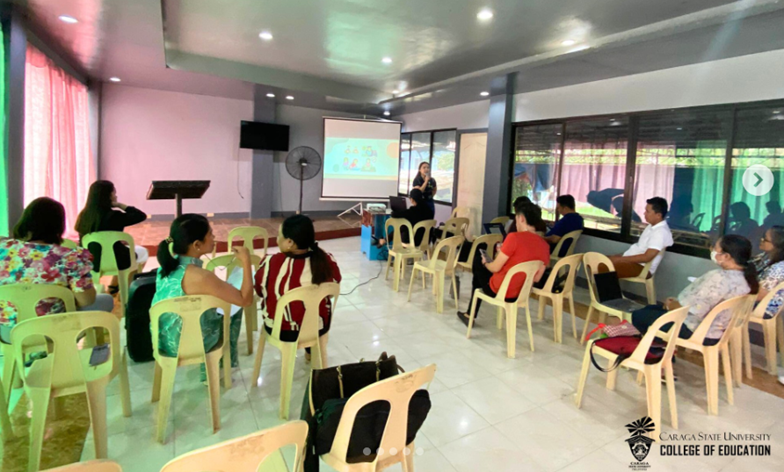
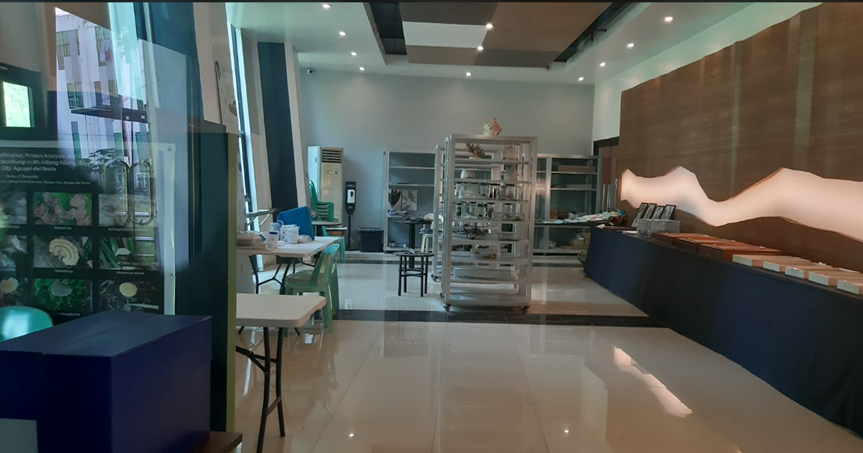
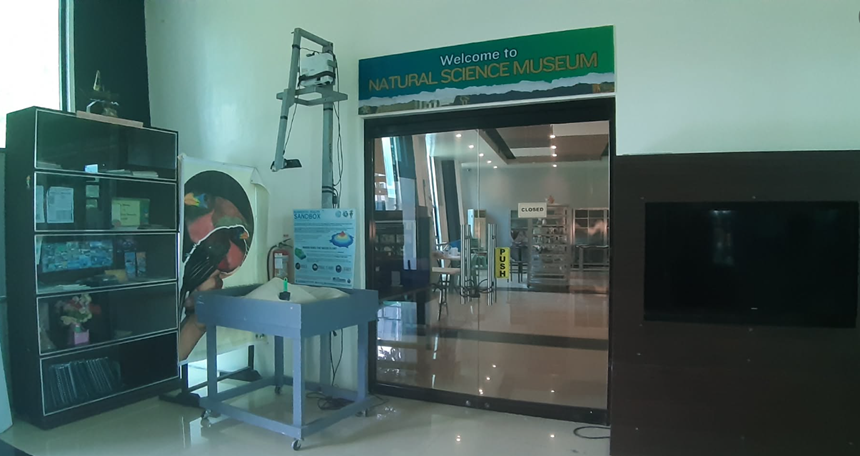
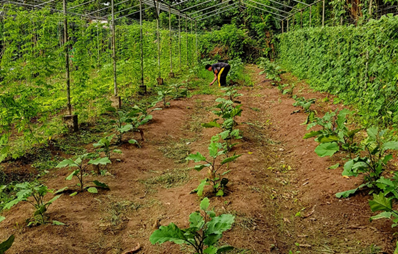
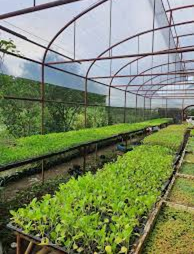
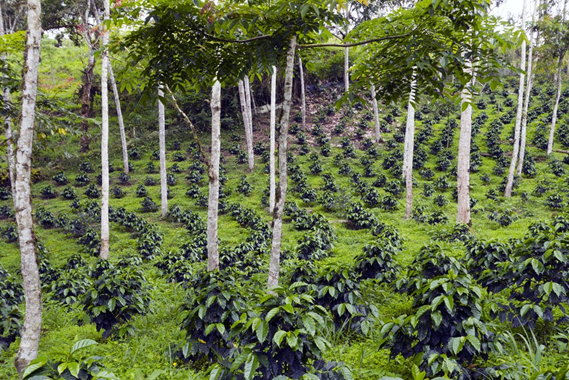
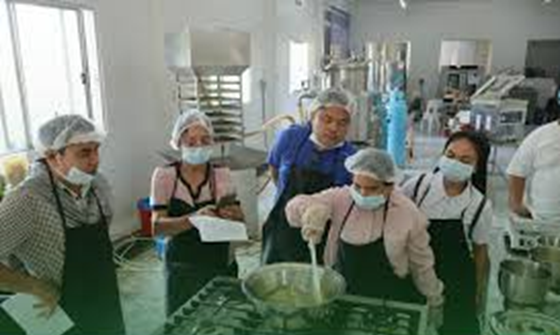
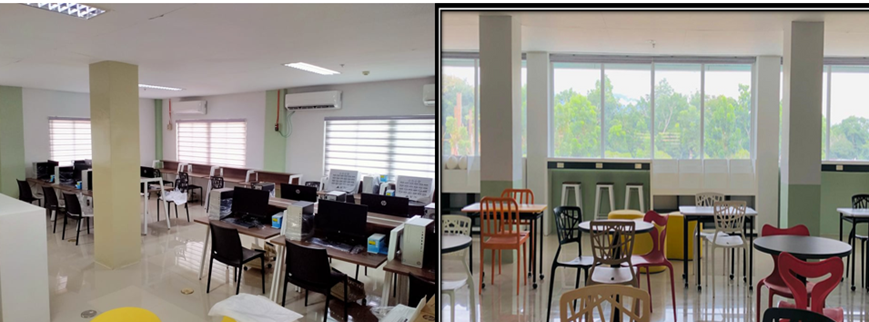
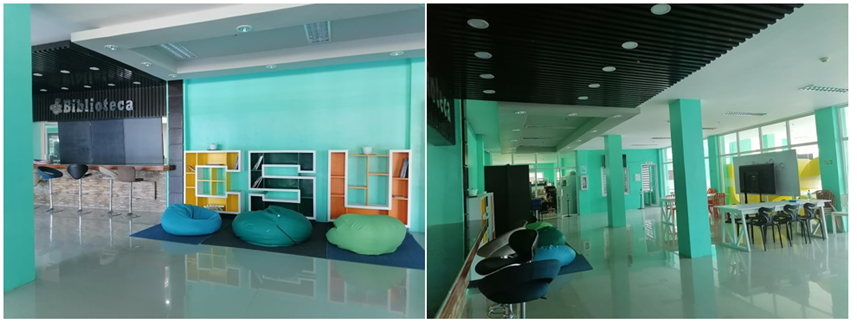
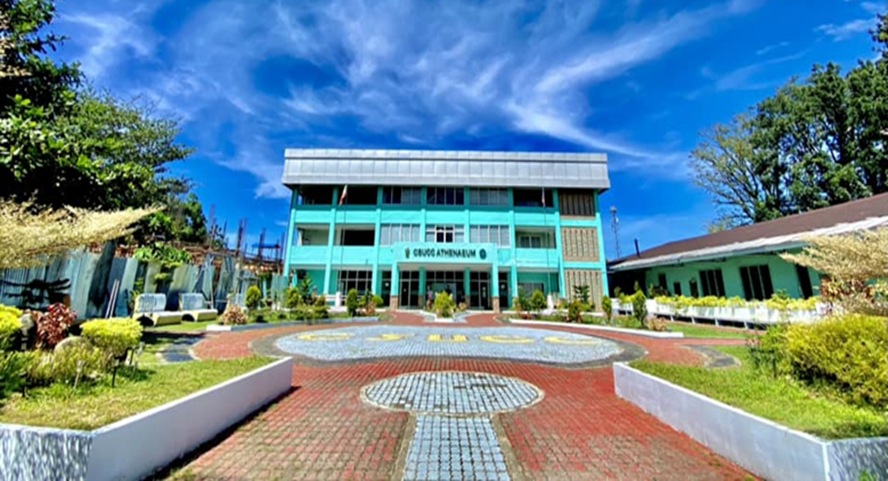
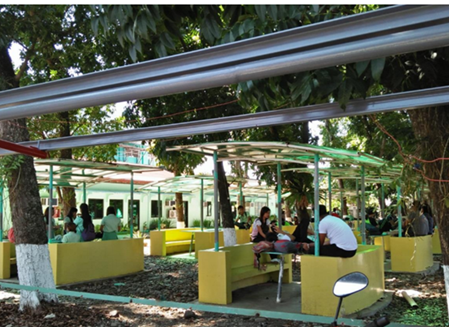
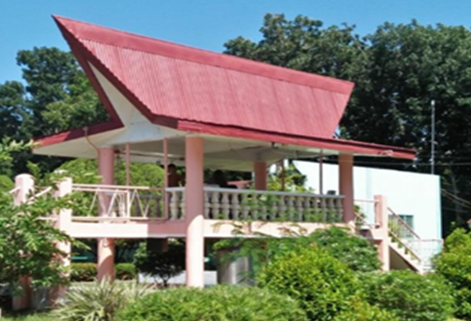
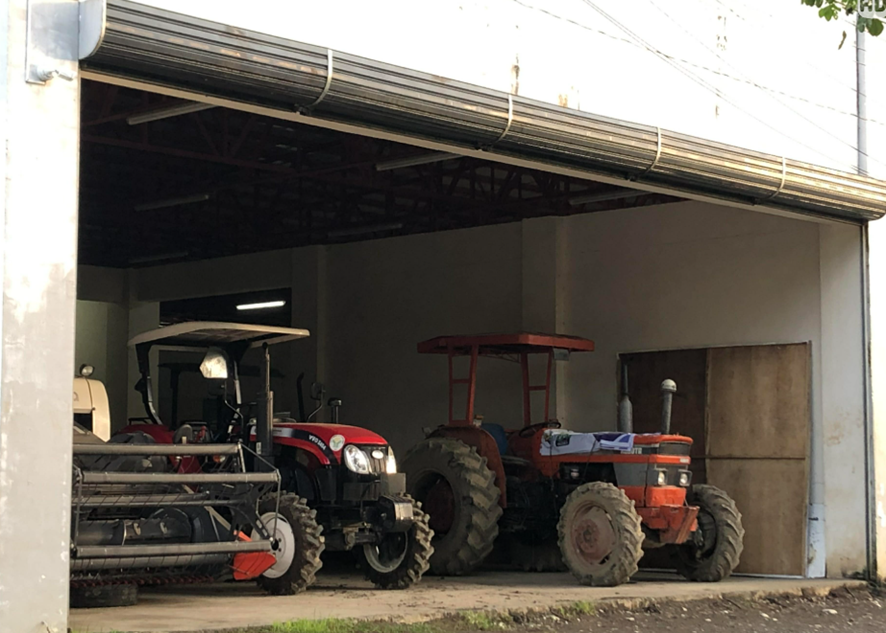 Serving as essential components for the Colleges of Engineering, Information Technology, and Industrial Teacher Education, these facilities provide students with the necessary tools, machinery, and workspace to apply classroom theory, develop technical competence, and master the trade skills demanded by industry in the Caraga region.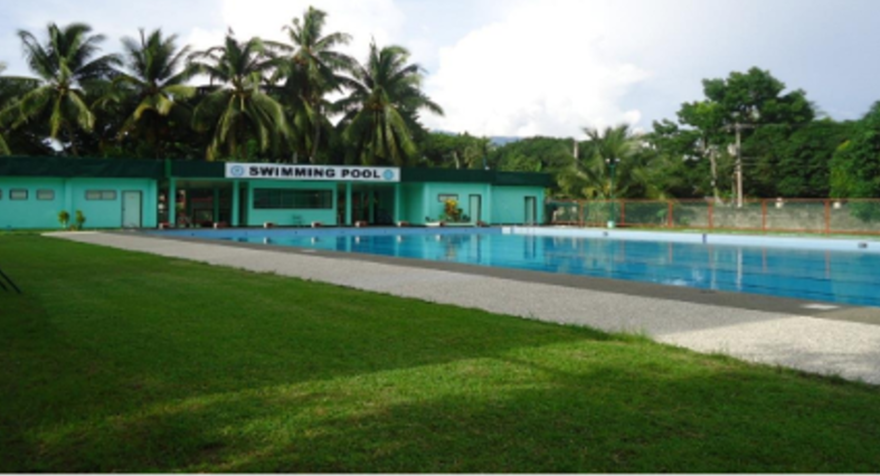
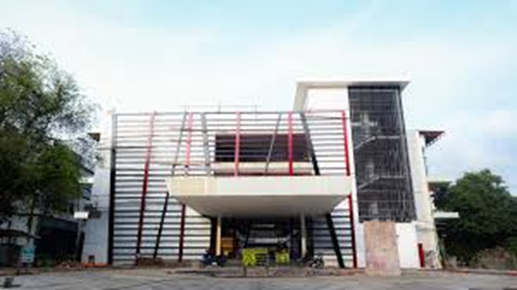
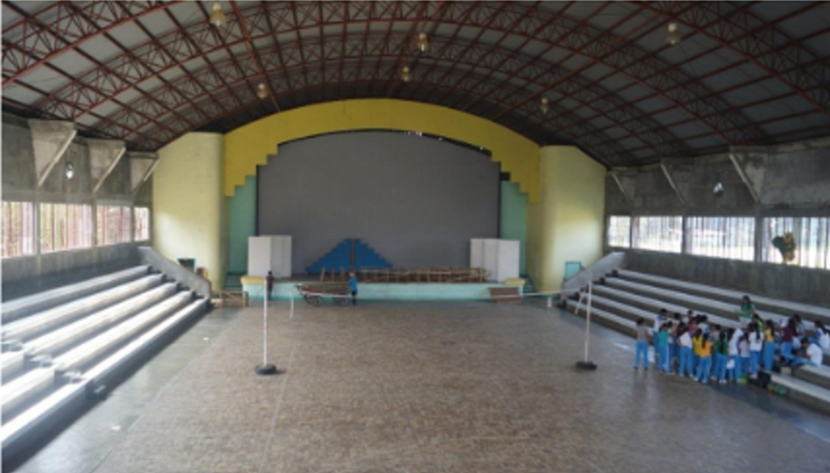 Furthermore, the university has initiated plans for the modernization and expansion of the gymnasium, focusing on upgrading amenities like restrooms, enhancing accessibility for Persons With Disabilities (PWDs), and updating the building’s aesthetic facade to give the campus a more modern and distinct architectural identity, ultimately aiming to serve both the academic community and the wider public more effectively.
By making these spaces available to non-students, CSU promotes community engagement and lifelong learning. The university’s open access to facilities not only serves students but also strengthens CSU’s partnerships with local communities, supporting sustainable development goals through inclusive education and community-based learning experiences.
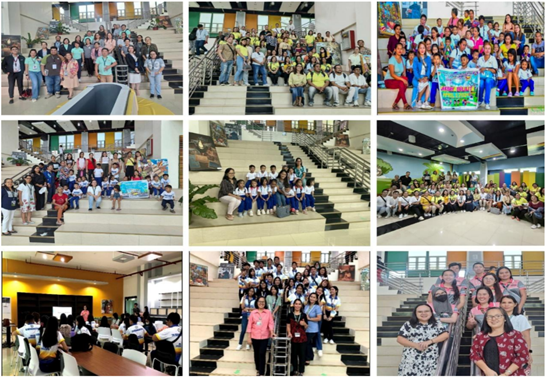 The Lakbay Bulilit and other benchmarking activities conducted by various child development centers, such as Sr. San Roque Child Development Center and Santo Niño Child Development Center, to the CSU library, play a significant role in promoting better quality education. These activities provide young learners and their educators with firsthand exposure to an academic environment that fosters curiosity and learning. Through these visits, children are introduced to the importance of libraries as spaces for learning, discovery, and growth. The interactive nature of these visits encourages engagement and helps cultivate a love for reading and knowledge at an early age.
Moreover, these benchmarking activities allow other institutions to observe and learn from CSU’s best practices in library management and resource utilization. By sharing insights on library programs, collection development, and educational support services, CSU demonstrates its commitment to improving the quality of education not only for its own students but also for those in surrounding communities. Such collaborative initiatives ultimately contribute to a well-rounded educational experience, providing children with the tools and mindset to excel in their academic journey while promoting the value of libraries as educational hubs.
CSU’s Digital Leap: MasaoLMS and Google Partnership Power SDG 4 and Lifelong Learning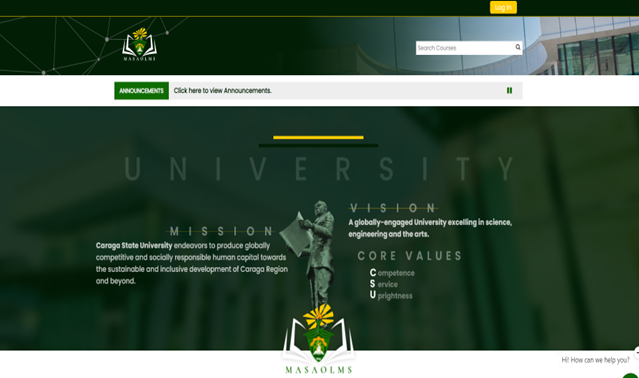
In alignment with SDG 4’s goal of providing inclusive and equitable quality education, Caraga State University (CSU) launched the Masao Learning Management System (MasaoLMS) in 2020, utilizing Moodle to create a comprehensive online learning platform that serves CSU students and extends to learners outside the university. The MasaoLMS offers flexible access to course content, assessments, interactive tools, and progress tracking features, supporting both asynchronous and synchronous learning.
Strengthening Access and Governance
To demonstrate the mechanisms ensuring broad, equitable, and quality access to learning resources, the information can be reorganized into clear bullet points focusing on Partnerships and Platform Oversight.
Strategic Partnerships for Expanded Access
CSU actively partners with global leaders to broaden the reach of its educational content:
MasaoLMS Management and Oversight
The reliability and integrity of the main learning management system, MasaoLMS, are ensured by dedicated teams and robust policies:
Link to Site: https://masaolms.carsu.edu.ph/
Other sources:
Caraga State University (CSU) demonstrates a strong commitment to SDG 4: Quality Education by hosting a diverse range of educational events that extend learning opportunities to the general public. These lifelong learning initiatives are hosted and co-hosted in collaboration with various academic, governmental, and community-based organizations, supporting knowledge exchange and capacity-building across sectors. Key events include:
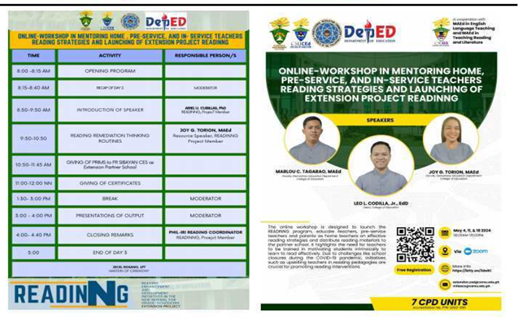
1. Online-Workshop In Mentoring Home, Pre-Service, And In-Service Teachers Reading Strategies And Launching Of Extension Project READINNG (May 5, 11 &18, 2024)
Caraga State University’s College of Education (CEd) took a significant stride in its dedication to literacy by hosting a Training Workshop on Reading Strategies and officially launching the next phase of its extension program, Project READINNG Phase 3. Held on June 26, 2025, at Alviola Integrated School – Elementary, the event was inspired by the belief that literacy is the gateway to freedom. The program focused on providing local educators with effective, evidence-based tools to empower young students.
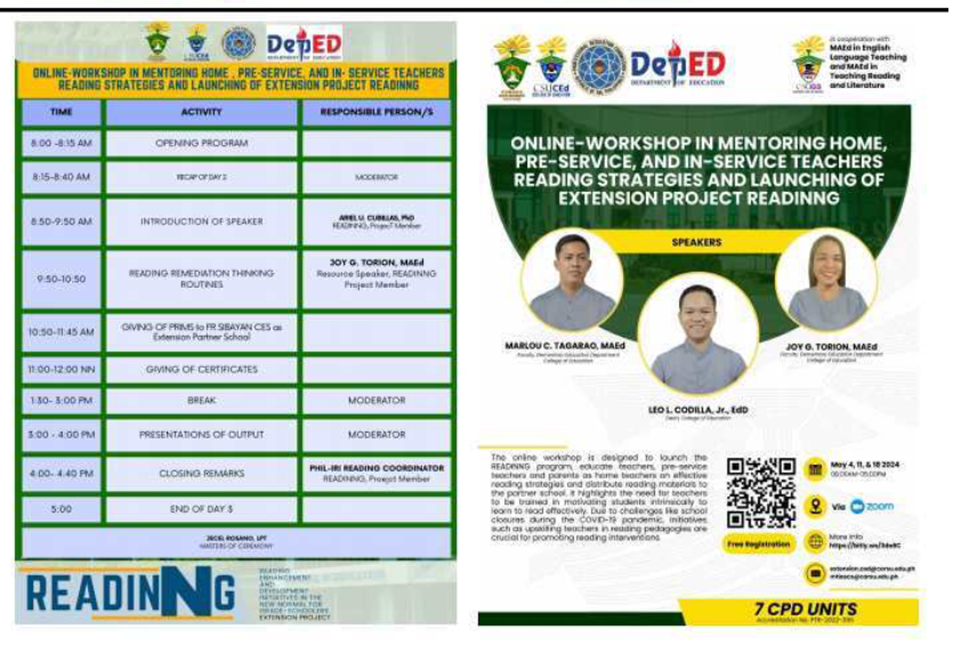
Post 1: CSU Launches Project READINNG: Mentoring Program Targets Early Literacy Crisis with Comprehensive Reading Strategies
Caraga State University (CSU) initiated the extension project READINNG with a three-day Online-Workshop on Mentoring Home, Pre-Service, and In-Service Teachers Reading Strategies, held across three Saturdays: May 4, 11, and 18, 2024. The primary goal of the workshop was to address and prevent early literacy difficulties by developing reading skills, including phonemic awareness, word recognition, and comprehension, among struggling readers in elementary grades. The launch focused on preparing home, pre-service, and in-service teachers to deliver targeted interventions, including instructional material development workshops, pedagogical training, and both online and face-to-face reading tutorials. The first day featured speakers who presented the project’s scope and successfully demonstrated the impact of school-based reading interventions, using the PHIL-IRI assessment tool to show notable performance improvements among previously non-readers after intervention.
The subsequent sessions delved into the theoretical framework and practical strategies for effective beginning reading instruction, acknowledging persistent challenges in the Philippines such as the non-mastery of reading elements, limited resources, and inadequate parental involvement. Day 2 highlighted the critical components of reading , which include phonemic awareness, phonics, fluency, vocabulary, and comprehension instruction. Speakers outlined the stages of reading development, from emergent to advanced readers, and emphasized actionable teaching strategies like phoneme blending, segmenting, and rhyming exercises to build robust reading skills. The final day reinforced the importance of integrating these core strategies—phonemic awareness, phonics, fluency, vocabulary, and comprehension—into a cohesive approach, underscoring that strong literacy is not only a foundation for academic success but a vital tool for personal growth, critical thinking, and informed decision-making throughout life. The READINNG project aims to foster a sustained culture of reading, equipping educators and families with the skills needed to unlock the “magic” of books for every struggling learner.
2. CSU Empowers Educators: Workshop Focuses on Designing and Validating Instructional Materials for Struggling Readers (June 26 – 28, 2024)
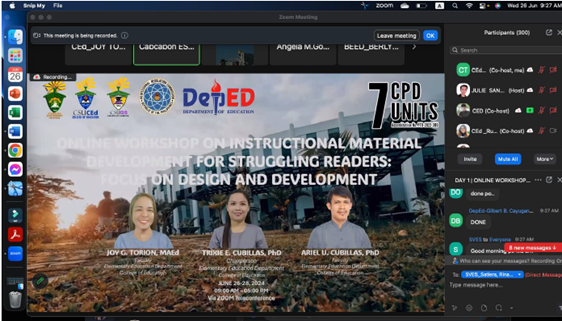
Caraga State University (CSU) successfully conducted the Project READINNG: Online-Workshop on Instructional Material Development for Struggling Readers: Focus on Design and Development from June 26 to June 28, 2024. The intensive three-day virtual event was designed to equip educators with the expertise necessary to create and validate effective, inclusive, and technologically sound instructional materials (IMs) tailored for struggling readers. The workshop was anchored by keynote speeches from CEd Extension Coordinator Mrs. Marsha Arnado and Project Lead Dr. Leo L. Codilla, Jr., emphasizing the critical importance of developing high-quality, accessible resources.
3. CSU Upskills Math Teachers: Action Research Workshop Fosters Innovation and Technology Integration
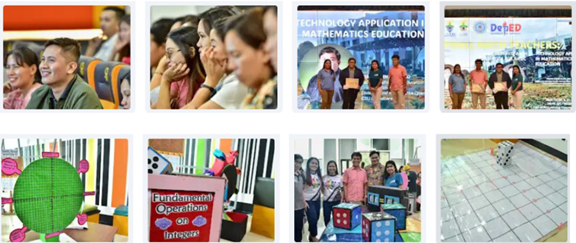
Caraga State University (CSU) Graduate School conducted a vital three-day extension activity, the Upskill Math Teachers Training-Workshop on Action Research Development in Mathematics for Basic Education, across three Saturdays in April 2024. This training was crucial in equipping Department of Education teachers and graduate students with the necessary knowledge and skills to conduct effective Action Research in Mathematics Education (ARMEd).
4. CSU Ignites Research Culture: Teachers Develop Action Research Proposals to Revitalize Science Education
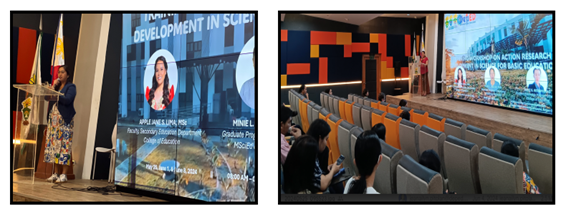

Caraga State University (CSU) successfully conducted the three-day Training-Workshop on Action Research Development in Science for Basic Education from May 25 to June 08, 2024, gathering undergraduate, graduate students, and Science teachers from partner schools to advance pedagogical practices. The workshop’s main goal, as outlined by the training team, was to improve, refresh, and upskill teacher-participants in developing action research, fostering a culture of teamwork for tackling contextualized classroom issues, and adapting to the new curricular paradigm..
5. CSU Elevates Teaching: Educators Nationwide Upskill in Multimodality to Meet Modern Learning Demands
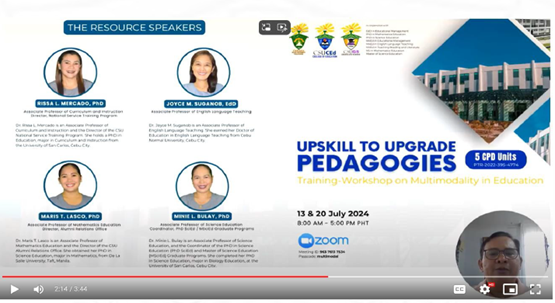
Caraga State University College of Education (CSU CEd) successfully hosted a two-part virtual extension service, UPSKILL TO UPGRADE PEDAGOGIES 2024: Training-Workshop on Multimodality in Education, on July 13 and 20, 2024. This key initiative was designed to enhance the pedagogical skills of educators across the nation by exploring innovative approaches to multimodal learning.
6. CSU Drives Research Collaboration: Workshop Focuses on Participatory Action Research for Rural Caraga Teachers
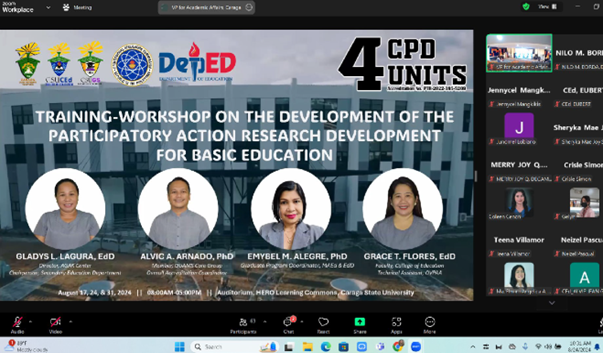
Caraga State University (CSU) successfully conducted a two-week Workshop on the Development of Participatory Action Research (PAR) for Basic Education, spanning from August 17 to August 31, 2024. The training was primarily designed to refresh, enhance, and upskill secondary school teachers in the rural areas of the Caraga Region. The central focus was the development of Participatory Action Research (PAR) proposals, emphasizing a culture of practice and collaboration with external community stakeholders to address contextualized, localized, and indigenized problems stemming from the “new normal” curricular paradigm.
7. CSU Equips Kindergarten Teachers for Inclusive Classrooms: A Specialized Training on Dealing with Learners with Special Needs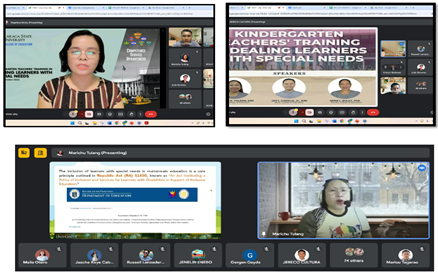
Caraga State University (CSU) conducted a crucial two-day Kindergarten Teachers’ Training in Dealing with Learners with Special Needs on October 19 and 26, 2024, to advance inclusive education practices among early childhood educators. The training, aimed at equipping teachers with the skills to create supportive and nurturing learning environments for students with diverse needs, was underscored by Dean Dr. Leo L. Codilla Jr.’s message on the importance of inclusivity.
8. DOST-ASTI Roadshow and IPv6 Training and Deployment
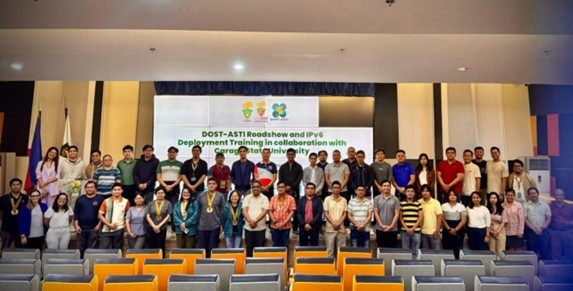
Caraga State University College of Computing and Information Sciences in collaboration with DOST-ASTI, successfully held the Roadshow and IPv6 Training and Deployment. The event featured esteemed speakers from DOST-ASTI, including Mr. Bayani Benjamin Lara, Mr. Alvin de Gracia, Ms. Jelina Tanya Tetangco, Ms. Neyzielle Ronnicque Cadiz, and Ms. Kristine Angelica Valderosa.
9. 𝐈𝐂𝐌𝐘𝐈: 𝐂𝐂𝐈𝐒 𝐇𝐨𝐬𝐭𝐞𝐝 𝟑𝐫𝐝 𝐈𝐧𝐭𝐞𝐫𝐧𝐚𝐭𝐢𝐨𝐧𝐚𝐥 𝐂𝐨𝐧𝐟𝐞𝐫𝐞𝐧𝐜𝐞 𝐨𝐧 𝐂𝐨𝐦𝐩𝐮𝐭𝐢𝐧𝐠 𝐚𝐧𝐝 𝐈𝐧𝐟𝐨𝐫𝐦𝐚𝐭𝐢𝐨𝐧 𝐒𝐜𝐢𝐞𝐧𝐜𝐞𝐬 | 𝐎𝐜𝐭𝐨𝐛𝐞𝐫 𝟐𝟖–𝟐𝟗, 𝟐𝟎𝟐𝟒

Caraga State University – College of Computing and Information Sciences (CCIS) hosted the 3rd International Conference on Computing and Information Sciences on October 29, 2024, at the HERO Learning Commons, Caraga State University, Butuan City. This year’s conference centered on “Innovating for a Sustainable Future: Research, Development, Innovation, and Extension in Practice.”
10. 𝐒𝐭𝐮𝐝𝐞𝐧𝐭𝐬’ 𝐂𝐨𝐧𝐠𝐫𝐞𝐬𝐬 𝐨𝐧 𝐈𝐧𝐧𝐨𝐯𝐚𝐭𝐢𝐨𝐧, 𝐈𝐧𝐟𝐨𝐫𝐦𝐚𝐭𝐢𝐜𝐬, 𝐚𝐧𝐝 𝐂𝐨𝐦𝐩𝐮𝐭𝐢𝐧𝐠
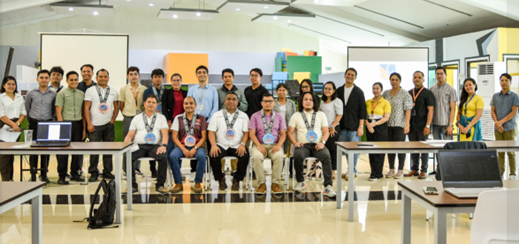
The College of Computing and Information Sciences (CCIS) successfully held its first 𝐒𝐭𝐮𝐝𝐞𝐧𝐭𝐬’ 𝐂𝐨𝐧𝐠𝐫𝐞𝐬𝐬 𝐨𝐧 𝐈𝐧𝐧𝐨𝐯𝐚𝐭𝐢𝐨𝐧, 𝐈𝐧𝐟𝐨𝐫𝐦𝐚𝐭𝐢𝐜𝐬, 𝐚𝐧𝐝 𝐂𝐨𝐦𝐩𝐮𝐭𝐢𝐧𝐠 (𝐒𝐂𝐈𝐈-𝐂𝐨𝐦) with the theme: “𝑭𝒐𝒔𝒕𝒆𝒓𝒊𝒏𝒈 𝒂 𝑺𝒖𝒔𝒕𝒂𝒊𝒏𝒂𝒃𝒍𝒆 𝒂𝒏𝒅 𝑰𝒏𝒄𝒍𝒖𝒔𝒊𝒗𝒆 𝑫𝒊𝒈𝒊𝒕𝒂𝒍 𝑺𝒐𝒄𝒊𝒆𝒕𝒚 𝒇𝒐𝒓 𝑺𝒎𝒂𝒓𝒕𝒆𝒓 𝑭𝒖𝒕𝒖𝒓𝒆𝒔” on June 5, 2024, at the HERO Learning Commons, Caraga State University, Ampayon, Butuan City.
11. 𝗙𝗶𝗻𝗮𝗻𝗰𝗶𝗮𝗹 𝗟𝗶𝘁𝗲𝗿𝗮𝗰𝘆 𝗪𝗲𝗯𝗶𝗻𝗮𝗿: 𝗙𝗿𝗲𝗲 𝗮𝗻𝗱 𝗢𝗽𝗲𝗻 𝘁𝗼 𝗔𝗹𝗹
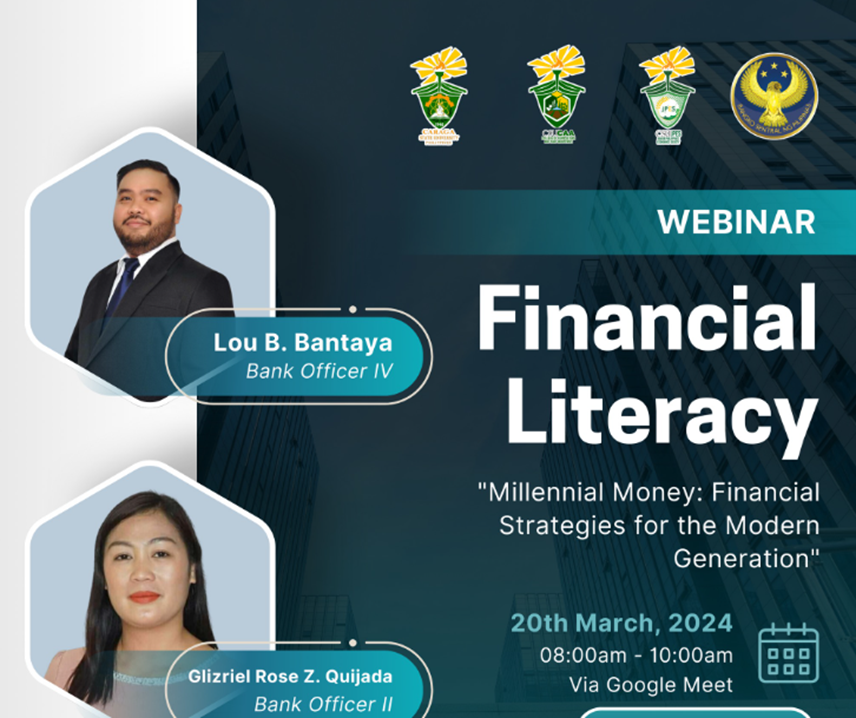
The Caraga State University-Junior Philippine Economics Society (CSU-JPES), in successful partnership with the Bangko Sentral ng Pilipinas (BSP), successfully hosted an insightful Financial Literacy Webinar on Wednesday, March 20, 2025. Held virtually via Google Meet from 8:00 AM to 10:00 AM, the event, themed “Millennial Money: Financial Strategies for the Modern Generation,” provided attendees with valuable knowledge and practical tools essential for navigating the current economic landscape. The session was a resounding success, equipping the modern generation with actionable financial strategies to promote sound decision-making and ensure long-term stability.
12. Food and Agriculture Research, Marketing, Innovation and Extension Conference
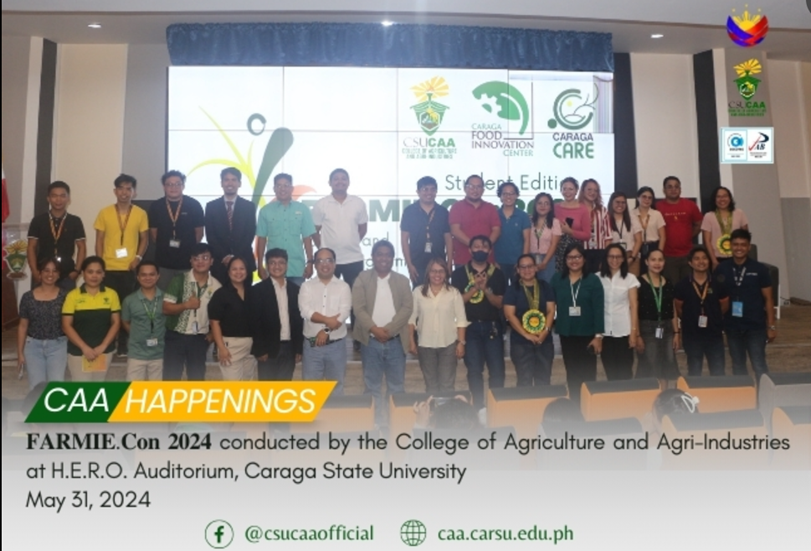
May 31, 2024 (8:00 am -5:00 pm) at H.E.R.O. Auditorium, Caraga State University
Food and Agriculture Research, Marketing, Innovation and Extension Conference (FARMIE.Con) is an annual scientific conference held by the College of Agriculture and Agri-Industries as a best practice to showcase various thesis studies, to be presented as research papers or as scientific posters, of the BSA graduating students.
13. E-Learning of CSU Acriculture students in partnership with Agricultural Training Institute
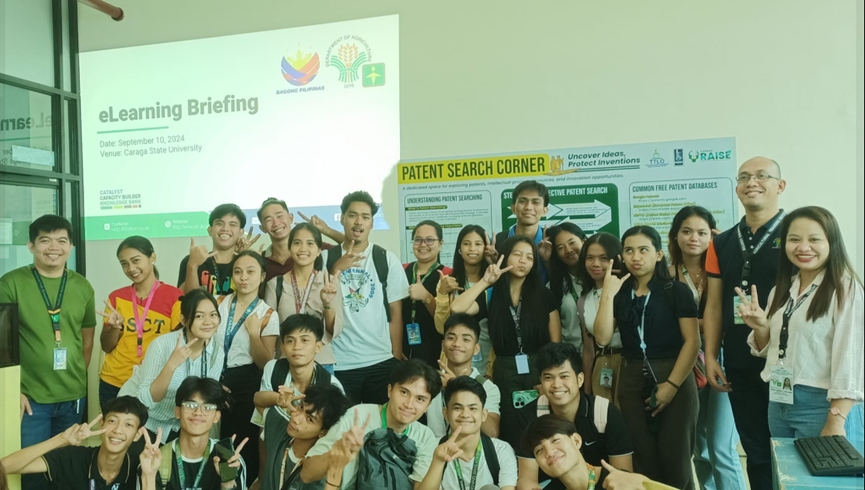
More than 100 first year College of Agriculture and Agri-Industries students of Caraga State University enrolled in e-learning courses offered by the Agricultural Training Institute after the orientation conducted by ATI-RTC 13.
These public educational events not only provide CSU students and faculty with learning opportunities but also extend these benefits to community members, teachers, government personnel, and international participants, reinforcing CSU’s commitment to lifelong learning and public engagement in support of SDG 4.
1. CFIC Conducted Training on Rice-based products Processing
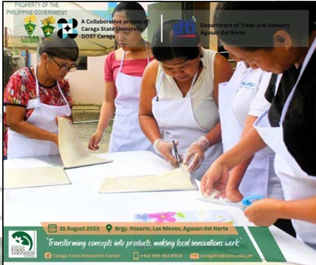
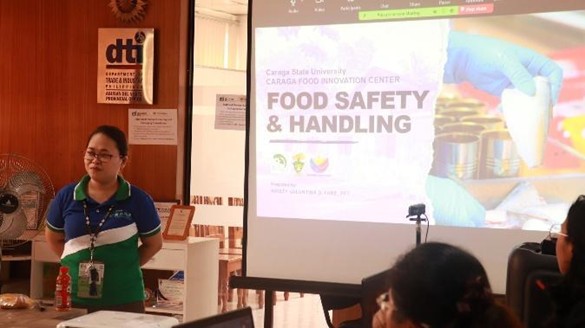
To support SDG 4 on Vocational Training and Education, the Caraga Food Innovation Center (CFIC) conducted a hands-on training session on rice-based processing on August 31, 2023. Organized by the Department of Trade and Industry (DTI) Agusan del Norte in collaboration with the Comprehensive Agrarian Reform Program (CARP), the training aimed to empower the Rosario Samahang Nayon MPC, a cooperative of local farmers and DTI CARP beneficiaries, by enhancing their knowledge and technical skills in food processing.
Held in Barangay Rosario, Las Nieves, Agusan del Norte, the workshop addressed both economic and educational needs of the community. CFIC guided participants through the process of developing new rice-based products, with the dual objectives of boosting the cooperative’s income streams and creating job opportunities, particularly for women within the group. DTI-Agusan del Norte, represented by Mr. Mikie D. Villanueva, supported the training by providing raw materials and essential utensils, ensuring that participants had the resources needed for a productive learning experience.
The training was divided into two sections. The first session included an informative presentation on CFIC’s services and the importance of food safety, led by Ms. Bethel Jane N. Iligan, an MS Graduate Fellow of CFIC. She covered essential food safety protocols and introduced participants to various rice types and their characteristics, providing a foundation for the hands-on portion of the training.
In the second, hands-on session, participants learned to process rice into various products, including rice chips, puffed rice, and mochi. Working in small groups, each team took on different stages of the production process. Despite limited resources, participants demonstrated eagerness and dedication, even utilizing sun-drying techniques when necessary. This interactive training allowed cooperative members to build confidence and proficiency in creating rice-based products.
The program successfully fostered a learning environment where participants could enhance their food processing skills, with strong support from DTI-Agusan del Norte CARP and CFIC. The cooperative’s rice-based products will soon be introduced at an upcoming trade event, where market reception will be gauged with the full support of the agency. This initiative exemplifies Caraga State University’s (CSU) commitment to lifelong learning and vocational training, equipping local communities with sustainable skills that drive economic resilience and contribute to achieving SDG 4 goals for quality education.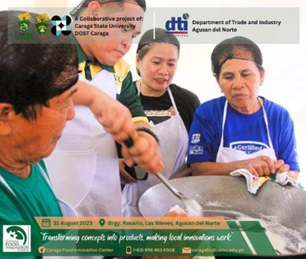
Another activity conducted by the Caraga Food Innovation Center (CFIC) supports SDG 4: Quality Education by providing vocational training and executive education programs accessible to the general public. This initiative specifically aims to enhance local industries and empower small enterprises. A notable example of this effort is the COCOdev marketing assistance and support service initiative, organized by the Department of Trade and Industry (DTI) Agusan del Norte in collaboration with Caraga State University’s Caraga Food Innovation Center.
In October 2024, CSU and DTI-Agusan del Norte hosted a two-day COCOdev event to empower coconut-based Micro, Small, and Medium-Sized Enterprises (MSMEs) in Agusan del Norte and Butuan City. This program aimed to improve product quality, taste, and branding to increase the competitiveness of local MSMEs. During the event, 20 participants from 7 MSMEs and farmer cooperatives took part in intensive product clinic sessions led by expert consultants from CSU and an experienced product graphic and branding designer. The sessions focused on enhancing 21 coconut-based products, with guidance on quality improvement, packaging, and branding strategies.
The participating organizations included:
Key outcomes of the COCOdev initiative are expected to include enhanced product packaging and labeling, comprehensive product improvement reports, and strategic action plans tailored to each MSME. These improved coconut products will be showcased at the PISTA Trade Fair at SM Butuan from November 16-30, 2024, providing MSMEs with a valuable platform to connect with potential buyers and consumers.
This initiative underscores CSU’s commitment to promoting lifelong learning and practical skills development beyond traditional academic courses, fostering local economic growth and supporting the sustainable development of the regional coconut industry. Through vocational training like COCOdev, CSU broadens its educational impact, contributing to sustainable development and community resilience in alignment with SDG 4.
2. CSU Technical-Vocational Education and Training (TVET) and Assessment Center
The Caraga State University also is a recognized Technical-Vocational Education and Training (TVET) and Assessment Center in the Philippines which aims to develop a skilled, globally competitive, and socially responsible workforce that contributes to national development and inclusive growth.
TVET, also known as Technical Vocational (TechVoc), is a vital component of the Philippine education system, managed and supervised by the Technical Education and Skills Development Authority (TESDA). It encompasses both formal and non-formal education and focuses on equipping individuals with practical skills, technical knowledge, and work-ready competencies across various sectors of economic and social life.
Objectives:
TVET programs are designed to be flexible, accessible, and responsive to the needs of learners and industries. They include short-term courses, modular training, and full qualifications that lead to National Certificates (NC) under TESDA’s competency-based framework.
The Training and Assessment Center of Caraga State University plays a vital role in empowering individuals across the Caraga Region by providing accessible, competency-based education and certification. It caters to a diverse clientele, including out-of-school youth, agricultural extension workers, farm school operators, senior high school students, education graduates preparing to teach in the Department of Education, farmers, and individuals aspiring to work abroad. These groups benefit from targeted training programs that enhance their employability and technical proficiency in agriculture and related fields.
Currently, the center offers TESDA-accredited qualifications, including Agricultural Crops Production NC I, II, and III, as well as Rice Machinery Operations. These programs are designed to equip trainees with practical skills in crop production, farm management, and the operation of rice machinery, aligning with national standards and industry needs. Before undergoing formal assessment, trainees are required to complete a Self-Assessment Guide (SAG), which helps them evaluate their readiness and identify areas for improvement. This ensures that candidates are well-prepared and confident in demonstrating their competencies.
During the assessment process, candidates are evaluated by TESDA-certified assessors through actual performance tasks and simulations. Those who meet all required competencies are awarded a National Certificate, signifying their qualification and readiness for employment. If a candidate is found to be not yet competent in certain areas, they will be reassessed only on those specific competencies, allowing for focused improvement and eventual certification. This approach promotes fairness, encourages continuous learning, and supports the center’s mission to uplift communities through quality technical education and skills development.
Activities of the Center
| Activity | Details | Picture |
| AGRICULTURAL CROPS PRODUCTION NC II | May 25, 2024 Joint delivery Voucher Program (JDVP) Butuan City Comprehensive High School | 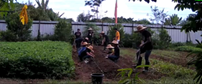 |
May 26, 2024 Joint delivery Voucher Program (JDVP) Kinamlutan National High School, Pedro Duncano National High School and Los Angeles National High School | 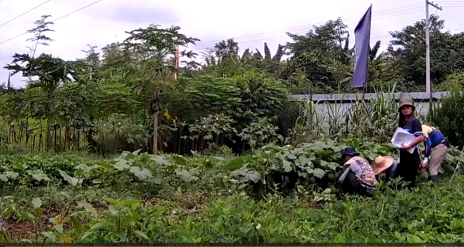 | |
| AGRICULTURAL CROPS PRODUCTION NC III | June 21, 2024 | 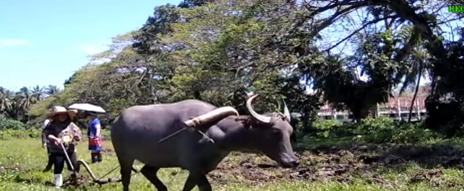 |
| Agricultural Crops Production NC II | November 5, 2024 | 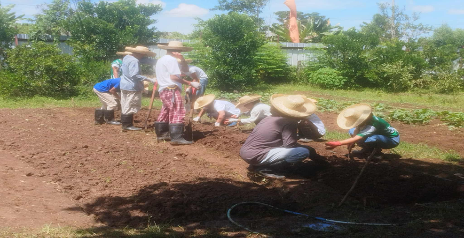 |
| AGRICULTURAL CROPS PRODUCTION NC III | November 19, 2024 Agricultural Crops Production NC III (COC I) |  |
| AGRICULTURAL CROPS PRODUCTION NC III | November 21-24, 2024 Agricultural Crops Production NC III (COC I) Field Demonstration | 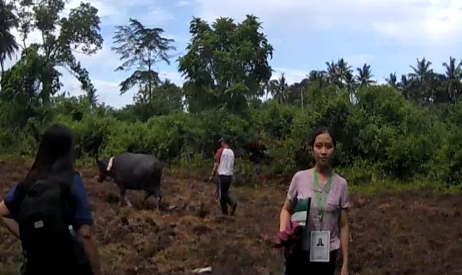 |
| AGRICULTURAL CROPS PRODUCTION NC III | December 6, 2024 Agricultural Crops Production NC III (COC I) | 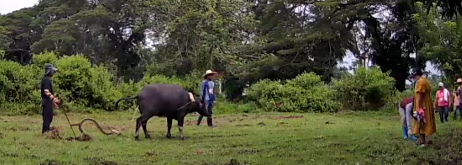 |
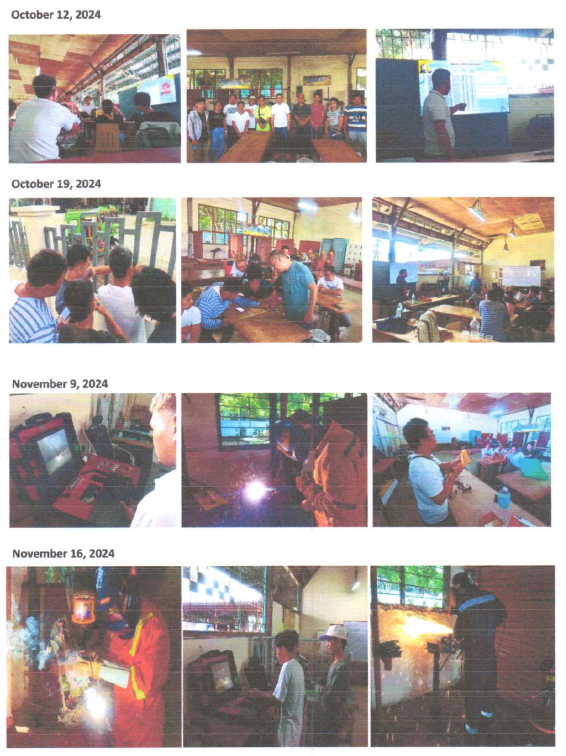
3. Human Capital Development (HuCAD) – Silk Screen Printing Project
The HUCAD Silk Screen Printing Project is a community-based initiative designed to equip local residents with essential knowledge, technical skills, and creative discipline in silk screen printing. It aligns with Caraga State University Cabadbaran Campus’s (CSUCC) thrust toward inclusive, hands-on education that fosters entrepreneurship, employability, and lifelong learning. This training specifically targeted inhabitants of Barangay Kauswagan, Cabadbaran City, Agusan del Norte, many of whom are eager to develop income-generating skills in arts-based production. The program emphasized quality craftsmanship, environmental responsibility, and the practical application of design and printing techniques, preparing participants to engage in small-scale business and community enterprise.
The program officially started on October 12, 2024 and the skills training commenced thereafter with training scheduled during weekends until its culmination on March 1, 2025.
4. Light Vehicle Driving with Preventive Maintenance and Tune-up
The Driving Training Extension Project is a comprehensive and community-centered extension initiative aimed at empowering local trainees with both in-depth theoretical knowledge and practical driving competencies. This program is a testament to CSUCC’s unwavering commitment to community development, emphasizing capacity building, livelihood enhancement, and workforce readiness. Through a carefully designed curriculum, the training covers the fundamental principles of road safety, traffic regulations, and responsible driving behavior, while providing hands-on driving experience along the CSU oval, Cabadbaran City Proper, Brgy. Calibunan, Brgy. Soriano and Brgy. Kauswagan route.
Ultimately, the project aspires to produce disciplined, safety-conscious, and job-ready drivers who can contribute meaningfully to the local transportation sector and promote safer roads within the community.
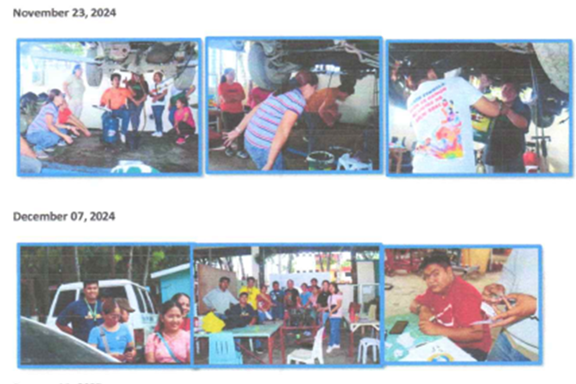
5. Baking Livelihood Skills Extension Project
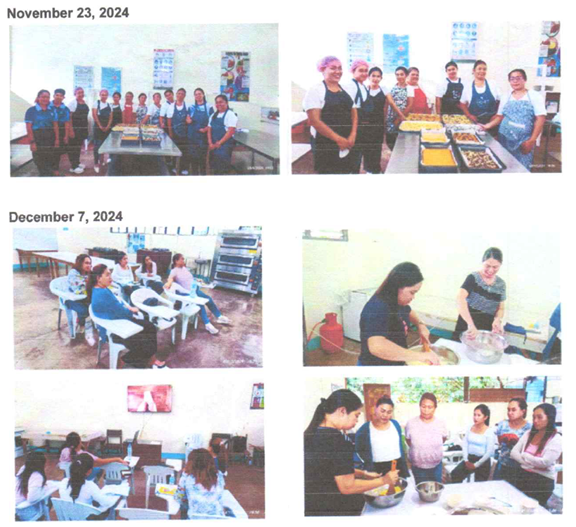
The HUCAD Baking Project is a community-based initiative designed to equip local residents with essential knowledge, fundamental baking skills, and creative discipline in baking. It aligns with Caraga State University Cabadbaran Campus’s (CSUCC) thrust toward inclusive, hands-on education that fosters entrepreneurship, employability, and lifelong learning. This training specifically targeted inhabitants of Barangay Kauswagan, Cabadbaran City, Agusan del Norte, many of whom are eager to develop income-generating skills in baked goods production. The program emphasized kneading dough, proofing, shaping, mixing, cake decorating and baking techniques, preparing participants to engage in small-scale business and community enterprise.
The Skills Training Extension Program (STEP) for Human Capital Development Extension (HuCaD Baking Skills Training Project (First Batch – 2025) was implemented over a sixteen (16) days period, conducted every Saturday, excluding holidays and days affected by unfavorable weather conditions. The program officially commenced on October 12, 2024, and concluded on March 22, 2025. The training was delivered through face-to-face lectures and discussions that included classroom-based lectures, multimedia demonstrations, hands-on ingredients measurements, mise-en-place preparation, hands-on baking, and a series of actual kneading, mixing and cake decorating workshops. Emphasis was placed on practical application of baking techniques to prepare participants for real-world production scenarios.
The Baking Extension Project in Barangay Kauswagan Cabadbaran City, is a transformative endeavor designed to bring a positive impact to the local community through the art of baking. With the aim of uplifting the lives of its residents, the project focuses on imparting valuable baking skills, fostering unity, and creating new economic opportunities. By providing comprehensive baking training and workshops, the project seeks to empower individuals with the knowledge and expertise to not only improve their personal lives but also contribute to the sustainable development of the entire community. Through a collaborative effort involving local government units, community leaders, and expert bakers, this initiative aims to create a supportive environment where members of Barangay Kauswagan can thrive and unlock their full potential.
6. Welding and Fabrication Technology Extension Project
The HuCaD Welding and Fabrication Technology Extension Project is a comprehensive community-based initiative aimed at empowering residents of Barangay Kauswagan, Cabadbaran City, through the acquisition of essential welding and fabrication skills. Recognizing the strong link between vocational education and socioeconomic upliftment, this project was designed to foster employability, entrepreneurship, and sustainable livelihood opportunities among the local population. Anchored on Caraga State University – Cabadbaran Campus’s (CSUCC) mission to provide inclusive, practical, and transformative education, the initiative underscores the importance of technical competencies in driving local economic growth. The focus on window grill fabrication—a widely used and marketable product—was strategically chosen to align with community needs and local market demand, ensuring that participants could immediately apply their new skills in a practical setting. This approach is consistent with evidence showing that targeted vocational programs significantly enhance employment readiness and income potential in rural contexts (Yadav & Prasad, 2020).
Through this initiative, out-of-school youth, unemployed individuals, and underemployed residents were provided with opportunities to gain both technical expertise and self-confidence in their capacity to contribute to the local economy. By blending theoretical understanding with hands-on practice, the program nurtured self-reliance and encouraged participants to pursue either wage employment or self-employment in the metalworking sector. Research indicates that vocational and technical training programs are among the most effective interventions for youth empowerment, particularly in developing economies where formal education is often inaccessible (Muwonge et al., 2021). Such initiatives not only improve participants’ practical abilities but also enhance their sense of agency, fostering resilience and adaptability in a rapidly changing labor market. The HuCaD Project thus serves as a bridge between education and livelihood, transforming theoretical instruction into real-world productivity.
Caraga State University (CSU) has actively engaged in several educational outreach initiatives beyond its campus, extending its impact to local schools and communities. These activities not only enhance the learning experiences of participants but also foster a sense of community involvement and support. Below are some of the key outreach activities conducted:
1. Empowering Public Service through Technology: CCIS Extension Services and DSWD-ADN Conduct Training on Digital Tools for Productivity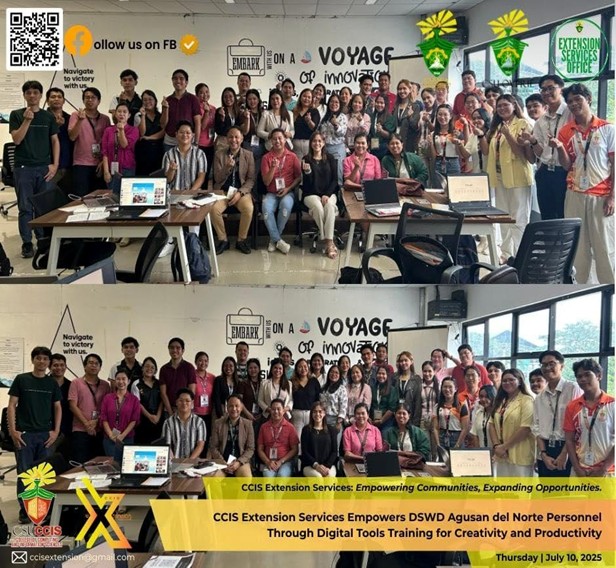
In a joint effort to strengthen digital competencies, the Extension Services Unit of the College of Computing and Information Sciences (CCIS) at Caraga State University successfully spearheaded a training program titled “Creative Productivity: Training on Digital Tools for Productivity.” The initiative is part of Project 2: INSIGHT under the DSWD PAGLAHUTAY Program, organized in collaboration with the Department of Social Welfare and Development (DSWD) Agusan del Norte.
2. CSU Leads Cultural Education: Teachers Master Manobo Language for K-12 Worksheet Translation
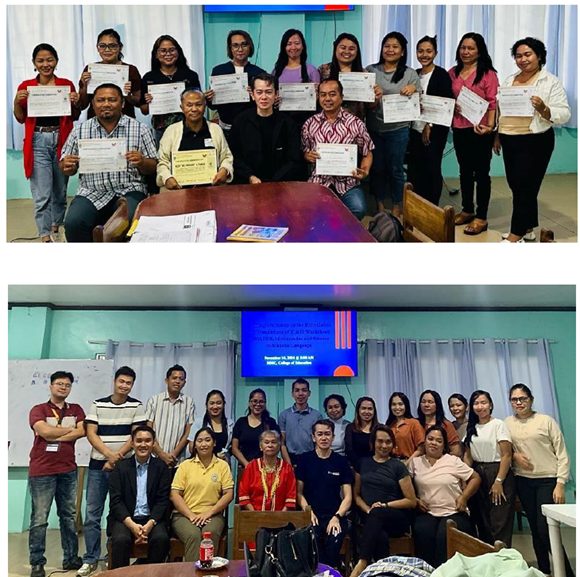
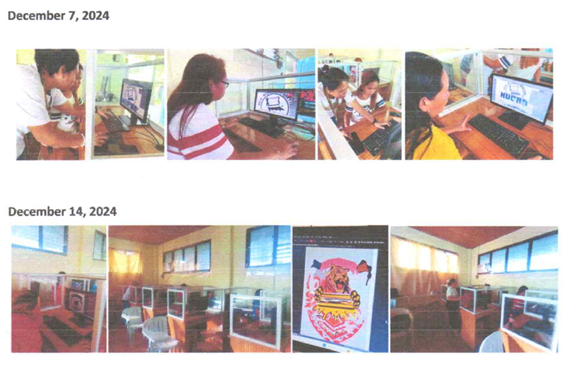
Caraga State University (CSU) hosted a vital two-day Training-Workshop on the Formulation and Translation of K+12 Mother Tongue-Based (MTB) Worksheets into the Manobo Language for teachers in the East I District of Butuan City Division. Held on December 7 and December 14, 2024, at the College of Education Multimedia Center, the workshop marked a crucial step in making education more culturally relevant and accessible for indigenous students from Tagkiling Tribal and Sinaka Tribal schools.
3. Kids’ Day Out at Ahon Community Care Center, Barangay Pigdaulan
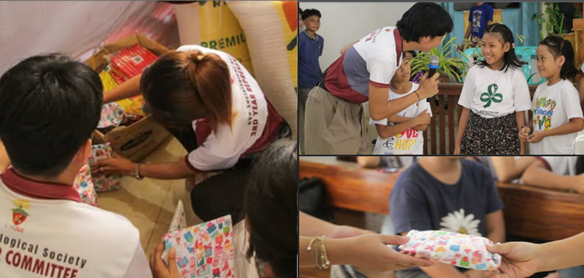
The Kids’ Day Out event at the Ahon Community Care Center in Barangay Pigdaulan is designed to provide children with a fun, educational experience that promotes personal growth. The event features interactive games, educational workshops, and creative activities that aim to develop social skills, creativity, and teamwork. It offers children a safe and nurturing environment to learn, fostering a sense of belonging and inclusion within the community.
4. Peace Camp 2024 at Sibagat National High School of Home Industries
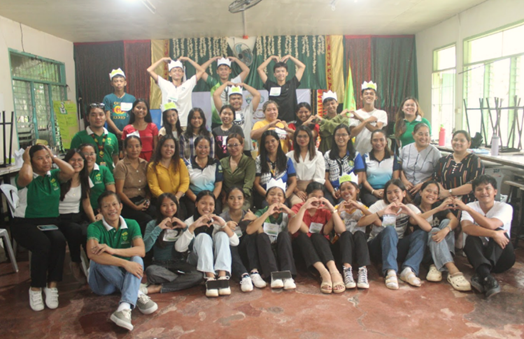
The Peace Camp 2024 promotes peacebuilding and conflict resolution among students. Held at Sibagat National High School of Home Industries, the camp focuses on raising awareness about the importance of peace, understanding cultural diversity, and fostering social harmony. The activities include team-building exercises, discussions on conflict resolution, and workshops that guide participants in creating peaceful solutions to societal issues, promoting respect and tolerance within the community.
5. Math and Science Camp at Sibagat, Agusan del Sur
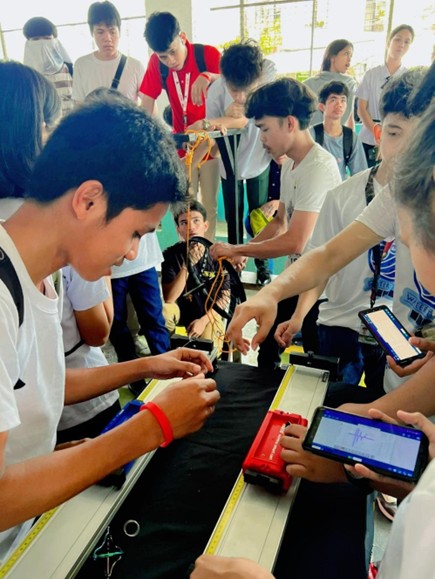
The Math and Science Camp is an educational initiative aimed at sparking curiosity and developing a passion for STEM (Science, Technology, Engineering, and Mathematics). Held in Sibagat, Agusan del Sur, the camp provides hands-on activities, experiments, and problem-solving challenges that engage participants in the fields of mathematics and science. The camp encourages participants to explore STEM subjects in an interactive setting, building confidence and skills in scientific inquiry and mathematical reasoning.
6. Literacy and Numeracy Program
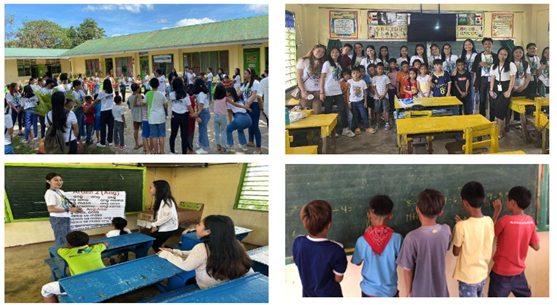
The Literacy and Numeracy Program is dedicated to improving the fundamental skills of reading, writing, and mathematics for both children and adults in underserved communities. This initiative provides targeted support to participants through tutoring sessions and workshops aimed at enhancing literacy and numeracy abilities. The program equips individuals with essential skills that serve as the foundation for academic and personal success, fostering confidence and lifelong learning.
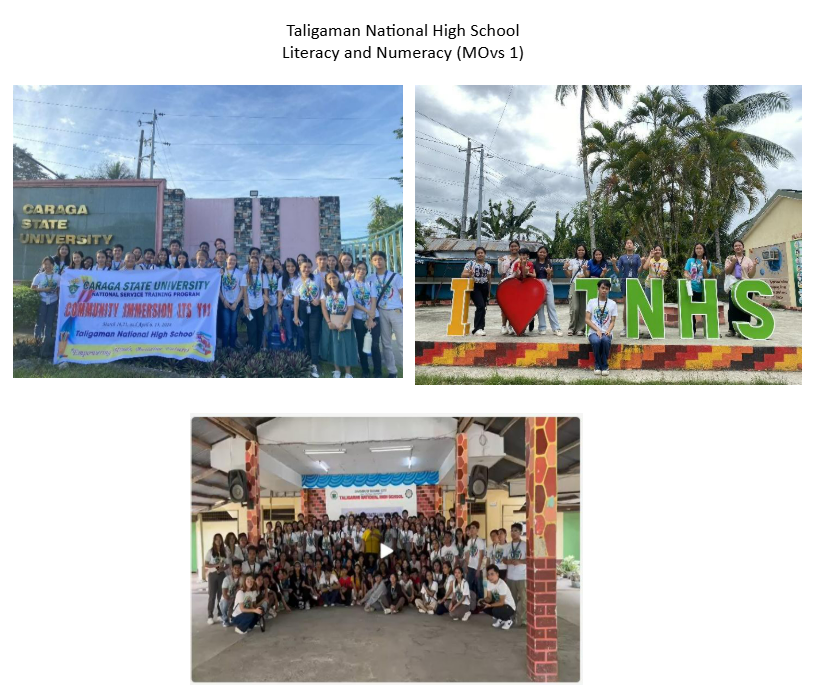
7. First Aid, Fire, and Earthquake Seminar and Drills
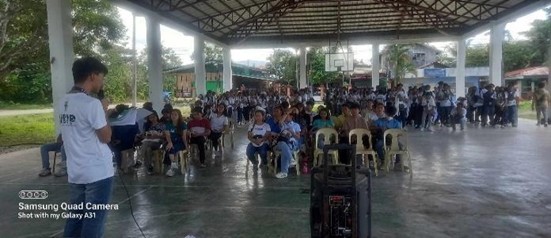
This comprehensive seminar and drill program aims to prepare individuals for emergency situations by equipping them with life-saving skills. Participants learn how to perform basic first aid, respond to fire emergencies, and react appropriately during an earthquake. The session combines theoretical knowledge with practical drills, ensuring that participants are well-prepared to handle emergencies efficiently and safely, potentially saving lives and reducing harm.
8. CSU ROTC Unit Once Again Joins the Brigada Eskwela
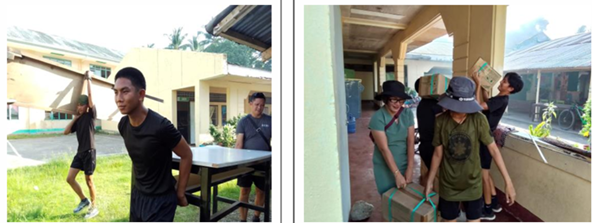
Brigada Eskwela is a national initiative that encourages the community to participate in preparing public schools for the start of the school year. CSU volunteers, including faculty, students, and community members, come together to clean, repair, and maintain school facilities. By fostering a spirit of collaboration and community responsibility, the volunteers contribute to creating a conducive learning environment, ensuring that schools are ready for students and supporting the education sector.
9. CSU-CAA and ATI-RTC XIII Launch ‘Buhay na Buhay sa Gulay’ Program
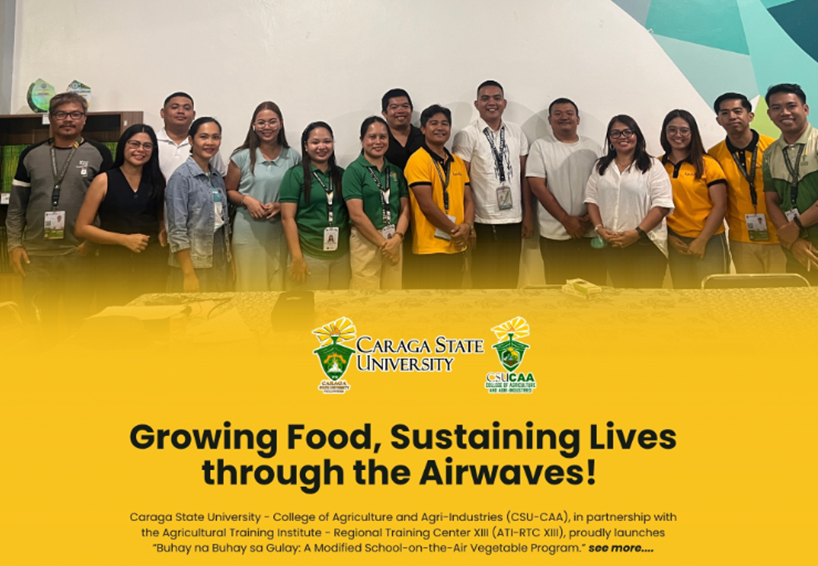
The Caraga State University – College of Agriculture and Agri-Industries (CSU-CAA), in a dynamic partnership with the Agricultural Training Institute – Regional Training Center XIII (ATI-RTC XIII), has proudly launched the innovative program, “Buhay na Buhay sa Gulay: A Modified School-on-the-Air Vegetable Program.” This collaborative initiative is poised to significantly contribute to agricultural extension and knowledge dissemination across the region. By adapting the traditional school-on-the-air format, the program aims to provide accessible and practical education on vegetable production , empowering local farmers and enthusiasts with modern techniques to enhance their yields and promote food security.
These outreach initiatives reflect CSU’s commitment to extending quality education, fostering community development, and empowering individuals. By integrating these activities into its programs, CSU plays a significant role in supporting local communities, promoting social progress, and advancing inclusive development in alignment with SDG 4: Quality Education.
The following resolutions approved by the CSU Board of Regents (BOR) constitute the formal policy framework that guarantees equitable access to lifelong learning activities (SDG 4). This commitment ensures non-discrimination on the basis of ethnicity, religion, disability, immigration status, or gender in all university programs and services.
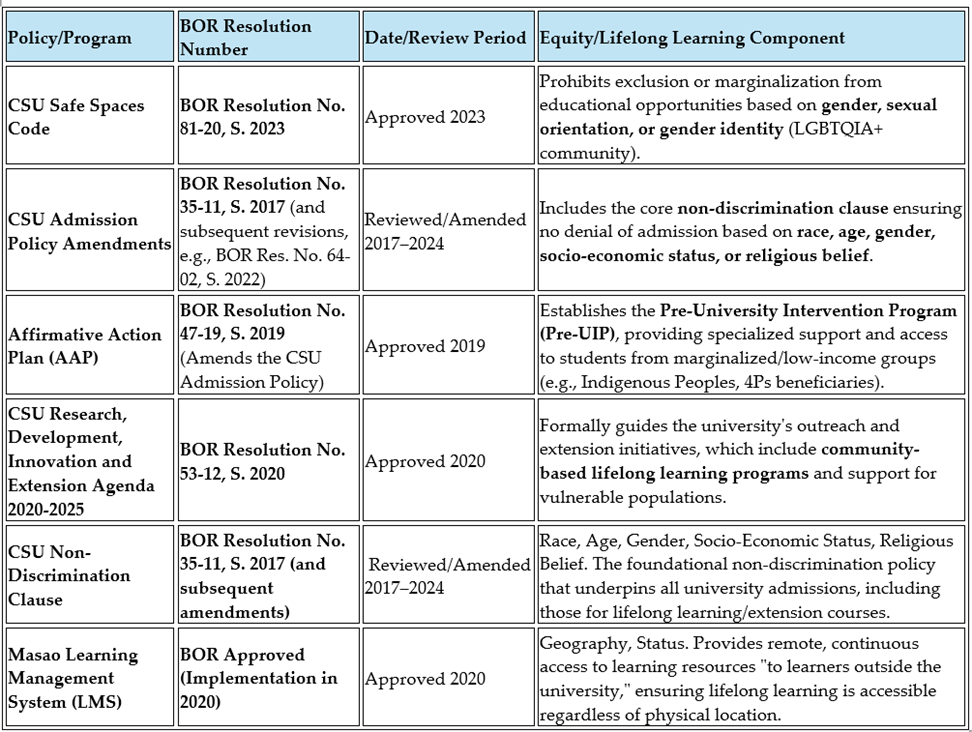
These policies, reviewed and updated within the 2019–2024 period, are publicly listed on the university’s sustainability website or referenced in official documents, thereby providing the necessary evidence of a formal, non-discriminatory approach to lifelong learning access.
Link to Source: https://sustainability.carsu.edu.ph/
The university’s commitment to achieving the regional and national development goals through the core areas of Instruction, Research, Extension, and Production ties into SDG 4.3.5 in several keyways:
Caraga State University (CSU) demonstrates a profound institutional commitment to equity and access in higher education, particularly for students facing significant socioeconomic challenges, including first-generation scholars. This commitment is realized through the proactive accommodation and administration of:
1. Government-Funded Programs (Targeting the Underserved): CSU accommodates several government scholarship programs that specifically target students with significant financial need, which disproportionately includes first-generation scholars:
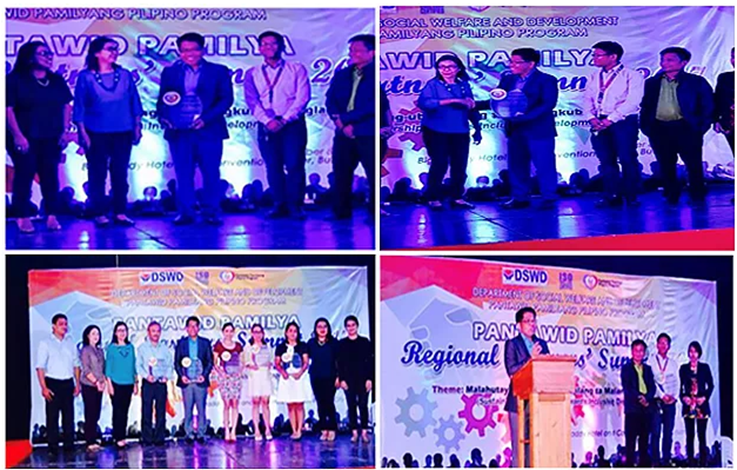 https://www.carsu.edu.ph/dswd-awards-csu-as-best-model-partner-suc-in-implementing-esgp-pa/
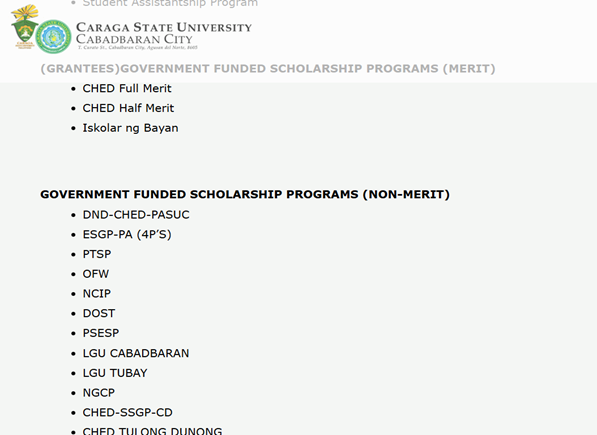 https://csucc.edu.ph/scholarship-grants/
Source: https://unifast.gov.ph/uaqtea.html
https://csucc.edu.ph/scholarship-grants/
Notably, beneficiaries of the former ESGP-PA program are automatically qualified under the new TES program, demonstrating a seamless transition of support for 4P’s households at institutions like CSU.
2. CHED Merit Scholarship Program (CMSP): The national guidelines for this program, which CSU students are eligible for, give special consideration and additional points in ranking to applicants belonging to special equity groups, including those covered under the Magna Carta of the Poor and First-Generation Students.
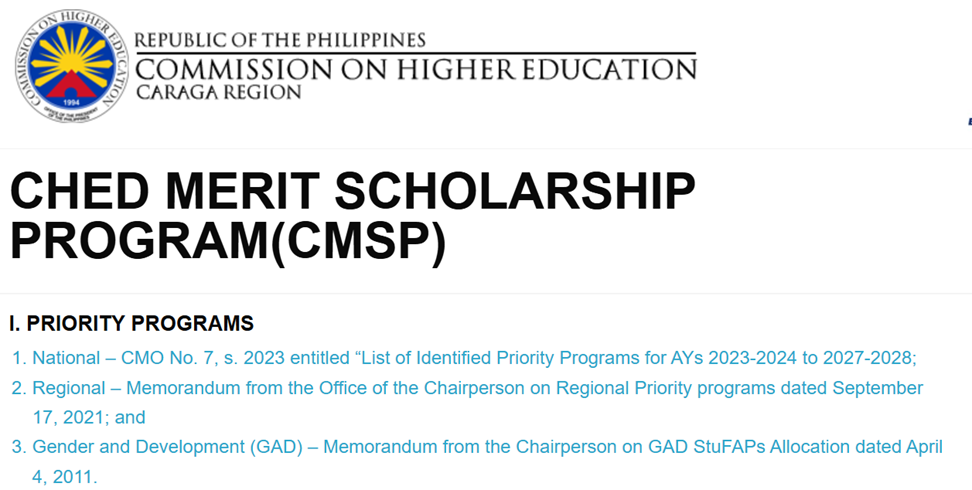
CHED MERIT SCHOLARSHIP PROGRAM(CMSP)
Data Collection Methodology
CSU collects this data directly from applicants using an explicit question on the online admission form and/or a supplemental online survey administered during the enrollment process. The data reported in the table above was extracted in 2024 by the Office of the Vice President for Student Affairs and Auxiliary Services (OVPSAAS) and the Office of the Registrar. The data presented is a Full-Time Equivalent (FTE) count and rigorously excludes all non-degree, short-course, and visiting students to maintain consistency with global reporting standards.
The institutional commitment and data on first-generation students are referenced in CSU’s public SDG reports:
http://● https://www.carsu.edu.ph/sustainable-development-goals/sdg-10-2024/
Caraga State University (CSU) tracks the proportion of first-generation students in its new degree cohorts to measure its impact on social mobility and widening access to higher education for disadvantaged families. First-generation students are those who report being the initial member of their close family unit—specifically parents, guardians, siblings, or grandparents—to enroll in a university program.
In 2024, 55.8% of CSU’s new students were identified as first-generation learners, underscoring CSU’s significant contribution to widening access to higher education for disadvantaged families in the Caraga region and beyond. This statistic demonstrates the university’s crucial role as a launchpad for social mobility.
The following data is for the 2024 entry cohort, measured in Full-Time Equivalent (FTE) count and excluding all non-degree and visiting students.
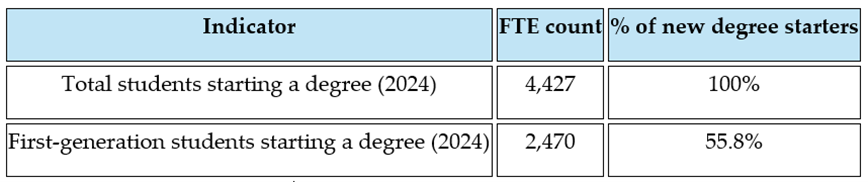
Data Collection Methodology
CSU collects this data directly from applicants using an explicit question on the online admission form and/or a supplemental online survey administered during the enrollment process. The data reported in the table above was extracted in 2024 by the Office of the Vice President for Student Affairs and Auxiliary Services (OVPSAAS) and the Office of the Registrar. The data presented is a Full-Time Equivalent (FTE) count and rigorously excludes all non-degree, short-course, and visiting students to maintain consistency with global reporting standards.
The institutional commitment and data on first-generation students are referenced in CSU’s public SDG reports:
Golden Paddlers, through the University Student Government (USG) continues to advance its commitment to sustainable...
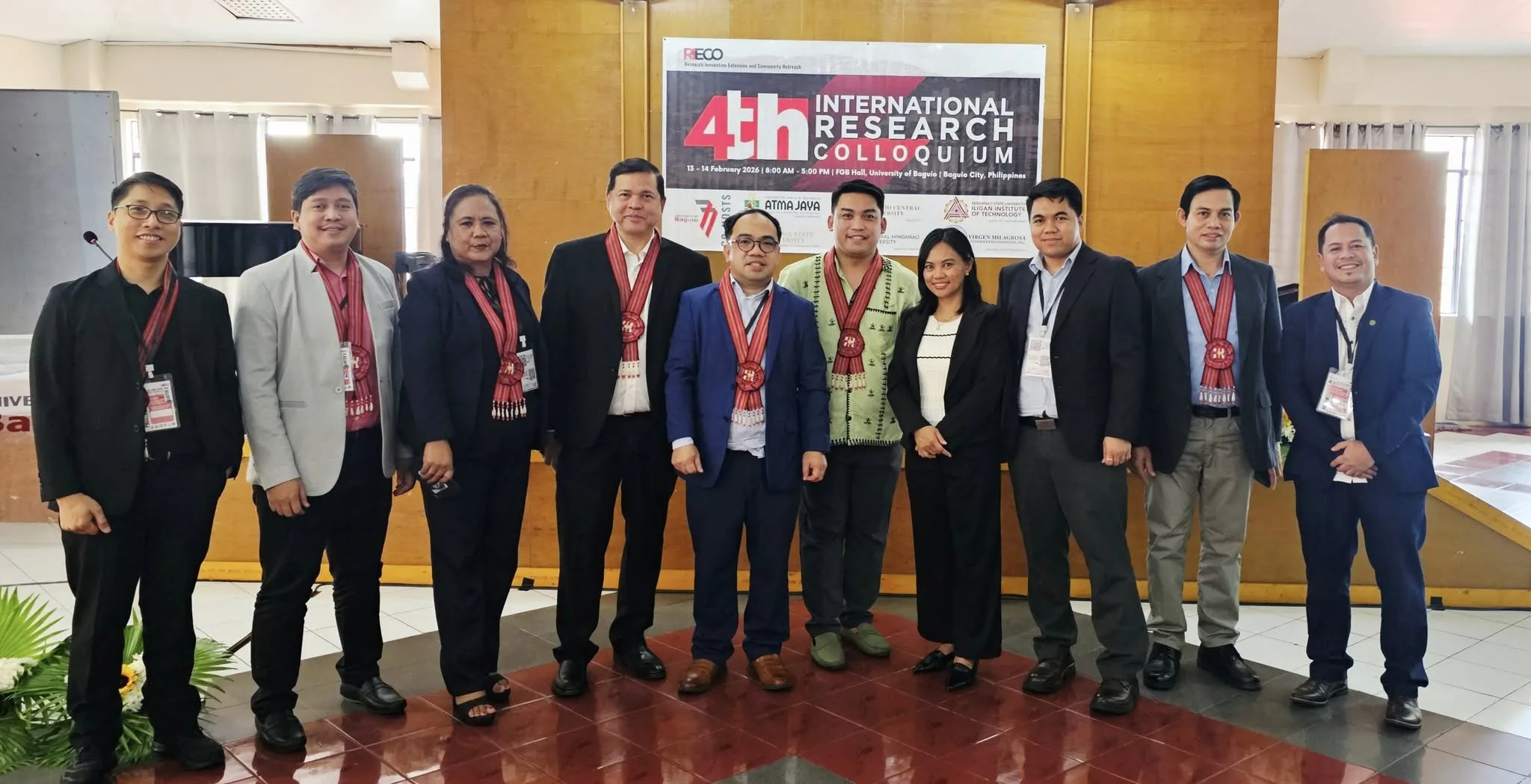
Baguio City — Caraga State University (CSU) joined leading Higher Education Institutions in co-hosting the...
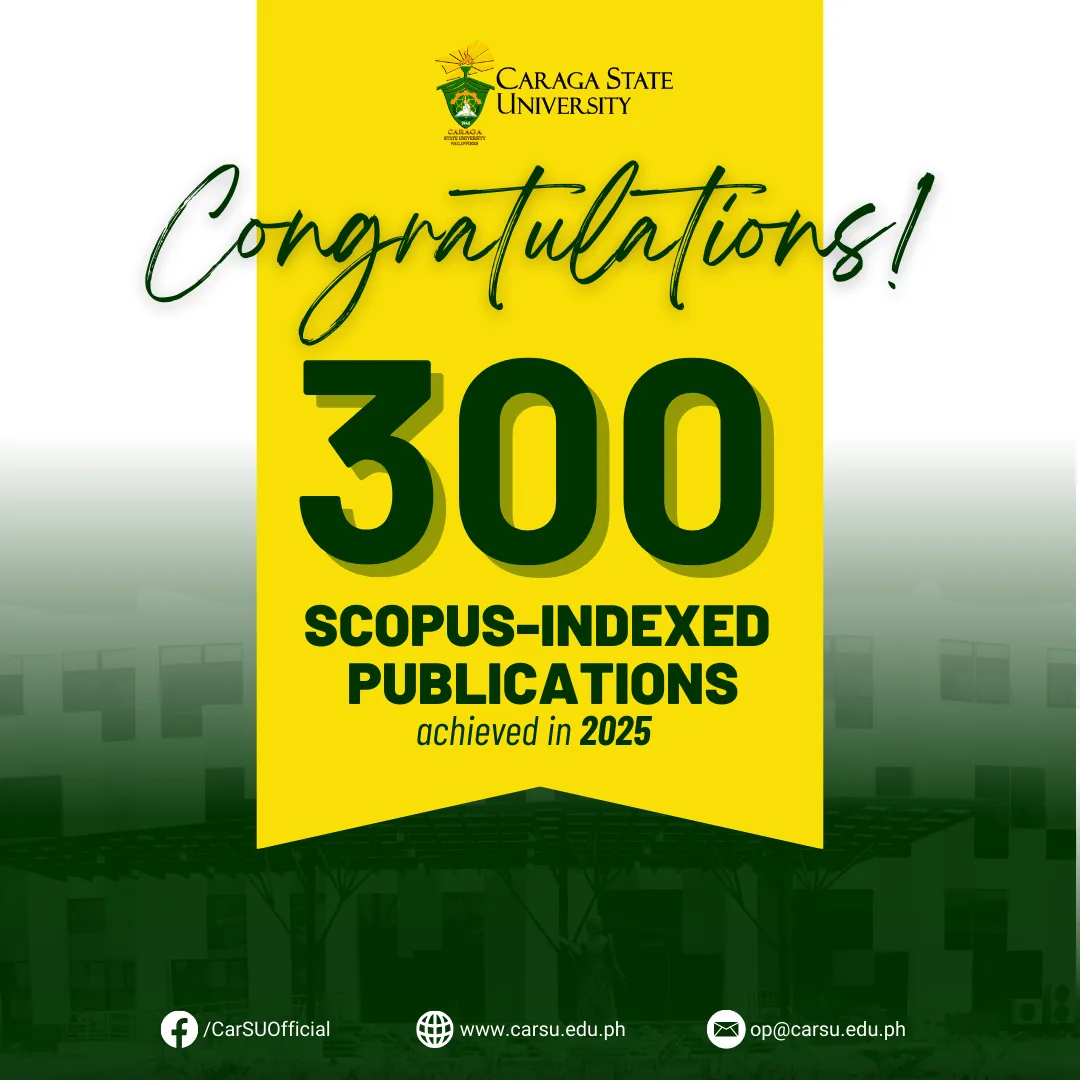
Caraga State University reached 300 Scopus-indexed publications in one year, the first time it has...