7

affordable and
clean energy

End poverty in all its forms everywhere

Home / Sustainable Development Goals / 2024 – SDG 7: Affordable and Clean Energy

Overview

Affordable and Clean Energy: Research Excellence and Global Impact

Caraga State University (CSU) demonstrates a strong commitment to advancing Affordable and Clean Energy (SDG 7)through high-quality, peer-reviewed research published in globally recognized journals and indexed conference proceedings. The University’s research outputs collectively contribute to the transition toward sustainable, energy-efficient, and climate-resilient systems—an embodiment of CSU’s mission to create value for a sustainable future. Below are the published research outputs of various CSU faculty researchers:

TitleDOI
Risk Assessment and Policy Recommendations for a Floating Solar Photovoltaic (FSPV) System10.1109/ACCESS.2024.3368620
Bioenergy updates and prospects for decarbonization in the ASEAN region: A review on logistical concerns and potential solutions10.1002/wene.499
Design and Development of a Monitoring System for Floating Solar Platforms10.1109/ic-ETITE58242.2024.10493552
Design and Enhancement of Pico Hydro and Monitoring System for Generation of Electricity10.14445/22315381/IJETT-V72I3P105
Development and Evaluation of an Advanced Battery Management System (BMS) for Lithium-Ion Batteries in Renewable Energy Applications10.1109/IDAP64064.2024.10710765
Development of an Integrated Hybrid Energy Harvesting System for Wireless Sensor Network Applications Using 180nm CMOS Process Technology10.1109/ISIEA61920.2024.10607256
IoT-Based Energy Monitoring System (IBEMS) for Optimizing Power Consumption in University Facilities10.1109/IDAP64064.2024.10710764
Design and Development of Solar Powered Smart Fish Tank for Hatchling Cultivation with IoT-Based Monitoring10.1109/IDAP64064.2024.10711163
Real-Time Monitoring and Adaptive Control of Solar Panel Cooling for Enhanced Power Harvest Through IoT Integration10.5109/7323279
Design and Development of a Solar-Powered IoT-Based Fire Alarm System with Integrated GPS and GSM for Enhanced Emergency Response10.1109/ASIANCON62057.2024.10838125
Internet-of-Things (IoT)-Based Parking Prototype System10.1109/AECE62803.2024.10911111
Transient response of a megawatt-scale solar photovoltaic in an electric distribution utility10.11591/ijece.v14i4.pp3739-3754
Energy-Efficient Proportional to Absolute Temperature (PTAT) Pulse Generator for Integrated Temperature Sensing in 180nm CMOS Technology10.1109/ASIANCON62057.2024.10838073
SOLAR TRACKING SYSTEM FOR A FLOATING SOLAR PANEL SYSTEM (FPSP)10.5109/7323297
Design and Development of a Multi-Charging Portable Power Generator with Mobile Application10.1109/ASIANCON62057.2024.10838218
Design and Implementation of an IoT-Based Building Energy Monitoring with Automation System10.1109/ICONAT61936.2024.10775187
Impact Assessment of the Government-installed Solar-Powered Irrigation Systems in Agusan del Sur10.5109/7323334
Renewable Energy Resource Assessment for Agusan Del Norte, Caraga Region, Philippines10.5109/7323295
A Novel, Inventive, and Automated Solar-Powered Pest Light Trapping Machine with a GSM-based monitoring system using Arduino Microcontrollers10.5109/7323321
Optimized Design of a DCM Single-Input Dual-Output DC-DC PFM Boost Converter Featuring Zero Current Detection10.5109/7323247
Techno-Economic Evaluation of a Small-Scale Hybrid On-Grid Solar PV with Battery Energy Management System for Study Spaces10.1109/ASIANCON62057.2024.10837811
An Egg Incubator with IoT-Based Control and Monitoring System10.1109/ASIANCON62057.2024.10837907
Characteristics of Nickel Laterite Mine Waste in Caraga Region, Philippines and Its Potential Utilization10.46488/NEPT.2023.v22i03.014
IoT-Enabled Energy Consumption Monitoring and Control System for a Single-Phase Building10.1109/ICACIC59454.2023.10435065
Biofuel Economy, Development, and Food Security10.1007/978-981-19-5837-3_2
Resource Assessment of a Floating Solar Photovoltaic (FSPV) System with Artificial Intelligence Applications in Lake Mainit, Philippines10.48084/etasr.4863
Development and Characterization of Briquettes made from Unsalable Banana Peel Wastes: A Preliminary Evaluation10.5109/5909102
Design and Development of IoT-based SMART Monitoring System for Hydro-Powered Generator10.1109/ICEET56468.2022.10007109
Techno-economic Aspects and Circular Economy of Waste Biorefineries10.1007/978-3-031-06562-0_39
Artificial Intelligence (AI) in Renewable Energy Systems: A Condensed Review of its Applications and Techniques10.1109/EEEIC/ICPSEurope51590.2021.9584587
Techno-Economic Analysis of a 5 MWp Solar Photovoltaic System in the Philippines10.1109/EEEIC/ICPSEurope51590.2021.9584709
Water Purification System Powered by a Mini Hydroelectric Power System10.1109/ICDRET54330.2021.9752679
Techno-economics and programs of rural electrification using solar energy in South and Southeast Asia10.1109/EEEIC/ICPSEurope51590.2021.9584582
IoT-Based Smart Street Light Monitoring System with Kalman Filter Estimation10.1109/ICDRET54330.2021.9751792
Design of Floating Solar Power System for a Local Community Application with Sample Prototype for a Single Panel10.1109/ICDRET54330.2021.9751795
Modeling and Estimation of Run-of-River Hydropower Potential through Integrated GIS and SWAT Interface in Agusan River Basin10.1109/TENCON50793.2020.9293936
Controlling the growth of zinc oxide/polyaniline nanocomposites on platinum-coated substrate for possible solar cell applications10.4028/www.scientific.net/SSP.294.30
Integrated technologies for low cost environmental monitoring in the water bodies of the Philippines: A review
Potential effect and analysis of high residential solar photovoltaic (PV) systems penetration to an electric distribution utility (DU)10.14710/ijred.5.3.179-185
Nationwide natural resource inventory of the Philippines using LiDAR: Strategies, progress, and challenges10.5194/isprsarchives-XLI-B6-105-2016
Teaching Education for Sustainable Development at University Level: A Case Study from the Philippines10.1007/978-3-319-32928-4_11
Potential technologies for monitoring the fate of heavy metals in the Philippines: A review
Financial payback of solar PV systems and analysis of the potential impact of net-metering in Butuan City, Philippines10.1109/EEEIC.2015.7165385
Analyzing optimal location of solar farms in Butuan City using geographic information system

Excellence in High-Impact Publications

CSU’s publications in the energy and sustainability domain are featured in top-tier journals and IEEE proceedings ranked within the top 10% of journals by CiteScore, reflecting the University’s adherence to excellence in scholarly dissemination.
Representative works such as Risk assessment and policy recommendations for a floating solar photovoltaic (FSPV) system (DOI: 10.1109/ACCESS.2024.3368620) and Potential Effect and Analysis of High Residential Solar Photovoltaic (PV) Systems Penetration to an Electric Distribution Utility (DOI: 10.14710/ijred.5.3.179-185) exemplify this impact, addressing smart grid optimization, renewable integration, and data-driven energy solutions. Other highly cited outputs such as Resource assessment of a floating solar photovoltaic (FSPV) system with artificial intelligence applications in Lake Mainit, Philippines (DOI: 10.48084/etasr.4863) and Bioenergy updates and prospects for decarbonization in the ASEAN region: A review on logistical concerns and potential solutions(DOI: 10.1002/wene.499) underscore CSU’s contribution to the global knowledge pool on energy efficiency, storage systems, and environmental modeling. These outputs collectively affirm CSU’s growing research influence in the upper echelon of CiteScore-ranked platforms, reinforcing its status as a LaunchPad of Global Talents and Innovators under the LIKHA Agenda.

Quality and Relevance of Research

The University’s research exhibits a high Field-Weighted Citation Impact (FWCI), demonstrating that its studies are cited more frequently than the world average for comparable publications in the same field. CSU’s body of work spans diverse subdisciplines—including renewable energy integration through the published article titled “Financial payback of solar PV systems and analysis of the potential impact of net-metering in Butuan City, Philippines” (DOI: 10.1109/EEEIC.2015.7165385) and “Techno-economic analysis of a 5 MWp solar photovoltaic system in the Philippines” (DOI: 10.1109/EEEIC/ICPSEurope51590.2021.9584709)power system reliability like the published work of Engr. Sajonia on Iot-based smart street light monitoring system with kalman filter estimation with DOI: 10.1109/ICDRET54330.2021.9751792, and green technologies like the paper titled “Design and Development of a Solar-Powered IoT-Based Fire Alarm System with Integrated GPS and GSM for Enhanced Emergency Response” (DOI: 10.1109/ASIANCON62057.2024.10838125)—indicating a multidimensional approach to solving energy challenges.

Publications in TENCON and Scientific.net further expand CSU’s global reach by tackling energy materials, smart sensors, and applied electronics for cleaner systems. The University’s FWCI performance highlights how CSU’s energy research is not only prolific but also relevant and influential in shaping academic and industrial practices.

Expanding Scale and Global Collaboration

The University’s expanding corpus of energy-related publications, normalized for scale, demonstrates CSU’s sustained investment in clean energy research and innovation ecosystems. With over 40 publications across Elsevier, IEEE, Springer, and Wiley platforms, CSU has established a strong record of international collaboration and cross-disciplinary integration. These studies explore diverse themes—ranging from energy management and storageAI-driven energy forecastingsolar PV optimization, to sustainable materials and microgrid resilience—contributing directly to SDG 7’s goals of universal access to affordable, reliable, and modern energy. Through active engagement in global research networks such as IEEE EEEIC/ICPSEuropeAsianCon, and ICDRET, CSU enhances its institutional research profile and fosters knowledge co-creation with international partners.

Overall, CSU’s performance in the Affordable and Clean Energy (SDG 7) indicators underscores its rising global footprint in energy research.

  • The CiteScore indicator reflects the excellence and visibility of its publications in top-ranked journals.
  • The FWCI indicator affirms the influence and quality of its scholarly output in energy efficiency and clean energy systems.
  • The Publications indicator highlights the breadth and consistency of CSU’s research contributions and collaborations worldwide.

Through these achievements, Caraga State University continues to solidify its role as a socio-digitally engaged, innovation-driven, and globally competitive university, advancing the energy transition agenda and contributing to the United Nations Sustainable Development Goal 7.

University measures towards affordable and clean energy

Caraga State University’s energy-efficiency and clean-energy initiatives are anchored in a series of formal policy issuances through Special Orders and memoranda of the University President. These guidelines collectively aim to reduce electricity and fuel use and to lower carbon footprints across all campuses.

Air‑conditioning and building operations

Special Order No. 142 (series of 2016) and the 2021 CSU Guideline for Energy Efficiency and Conservation provide detailed instructions for operating air‑conditioning systems. AC units should be started only when staff arrive and initially set to fan mode; thermostats must not be set below 24–25 °C. Units must be switched off 30 minutes before offices close or meetings end. Only trained personnel may operate the units, and doors and windows must remain closed to preserve cool air. 

In laboratories and classrooms, AC units should be kept in fan mode between classes rather than restarted from cold, unless the gap between sessions exceeds two hours. The 2021 guideline also calls for replacing old air‑conditioners with inverter‑type units, cleaning filters regularly, and installing shading or glass tinting on windows exposed to sunlight.

Implementation of thermostat limits and systematic shutdowns has enabled CSU to meet the Government Energy Management Program (GEMP) requirements. In November 2023 the Department of Energy conducted an audit and awarded CSU a five‑star rating and “Grade A” status (92 % score) for electricity and fuel conservation, recognising the university’s rigorous HVAC controls and fuel‑saving measures (sustainability.carsu.edu.ph). An Enercon Officer now oversees compliance and reports savings; these practices position CSU as a model institution for RA 11285 implementation.

Lighting and office equipment

The 2021 guideline mandates replacing all fluorescent lamps with LEDs, regularly cleaning fixtures, and conducting monthly illuminance checks. Natural lighting should be used whenever possible, and staff are reminded—via signage—to switch off lights when they are not needed. Guidelines for office equipment direct employees to turn off computer monitors and other devices during breaks and to post reminders near doors or noticeboards about shutting down equipment when leaving.

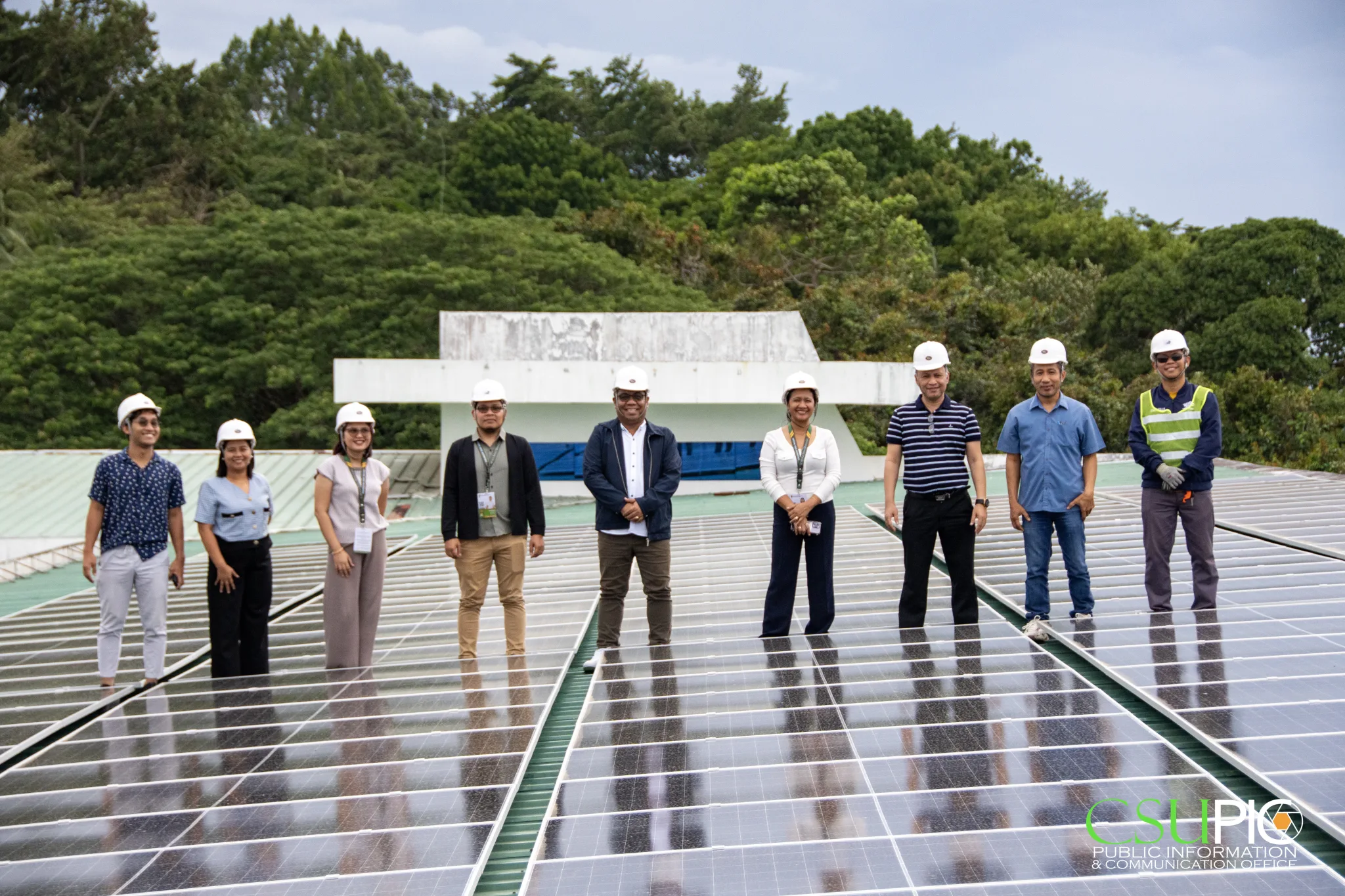
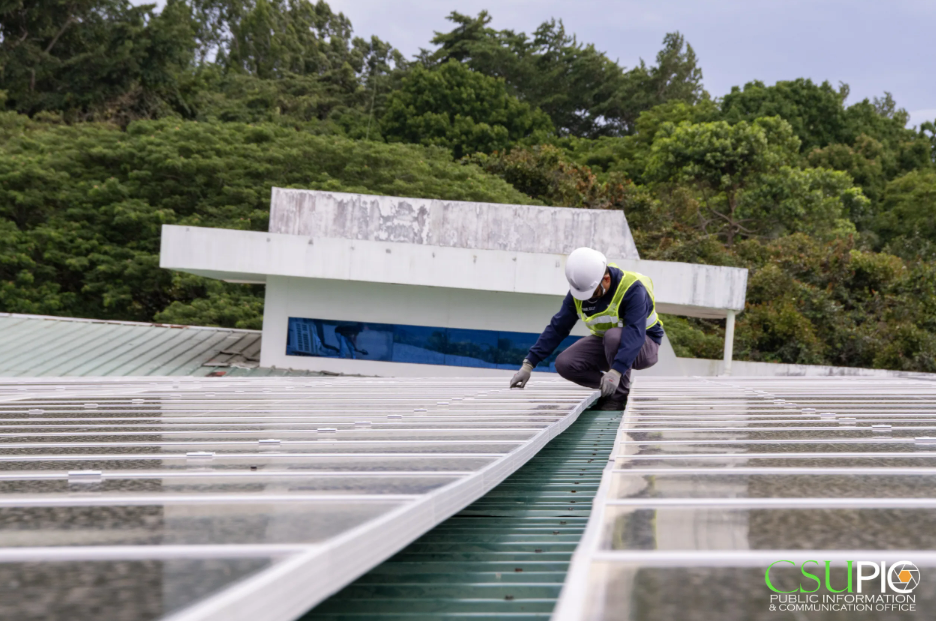
CSU’s lighting program dovetails with its renewable‑energy projects. The 221‑kW rooftop solar PV systeminstalled in July 2025, powers the Hinang, Masawa and Hiraya buildings and is expected to cut campus electricity bills by up to 15 %; plans are in place to expand the inverter capacity to 300 kW in 2026. Solar‑powered streetlights further reduce electricity consumption and demonstrate off‑grid lighting solutions to local communities.
Energy management behaviours and training

Memorandum No. 324, s. 2023 implements the Government Energy Management Program (GEMP) across CSU. It requires all personnel to set thermostats at 25 °C and to turn off lights and electronic devices (including computers) when they are not in use. Building occupants are encouraged to report energy-saving ideas and to participate in capacity-building seminars. The 2021 guideline specifies monthly illuminance monitoring and promotes energy-conservation signage and in‑house campaigns for staff and students. Records of energy consumption—such as electric bills, inventories of lighting and AC equipment, and vehicle fuel logs—must be maintained to support monitoring and audits. equipment, fuel logs for vehicles) must be maintained to support monitoring and audits.

Vehicle and fuel management

The 2021 guideline extends energy conservation to transportation by requiring monthly records of vehicle mileage and fuel use, planning trips to avoid unnecessary travel, and scheduling the replacement of vehicles that are more than seven years old or have exceeded 175,000 km. The energy core team must report energy concerns to the Energy Efficiency and Conservation Committee and ensure compliance with the GEMP.

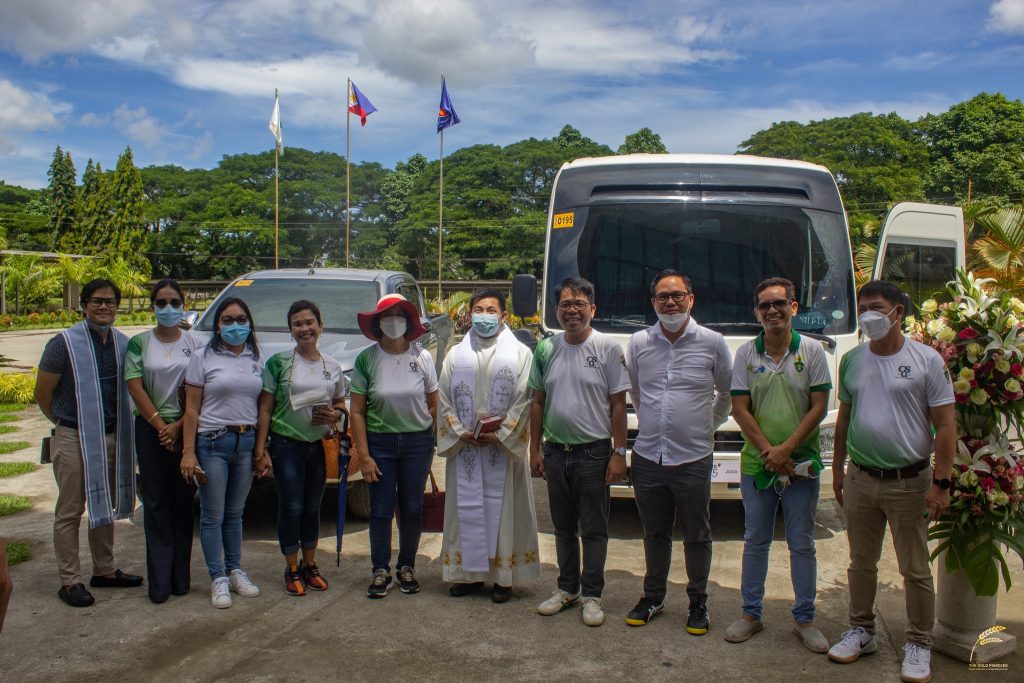
As of 2025, the University has implemented the second phase of the re-fleeting program to ensure fuel efficiency. In 2022, three university vehicles, a pick-up vehicle, a van, and a coaster bus, were procured and inaugurated. While in the current year, the university is set to complete its procurement of three vehicles to improve its operational efficiency.

On the other hand, to encourage low‑carbon transport among students and staff, CSU partnered with iKilos Bayugan to launch a bike‑sharing program at the main campus on 19 Aug 2024. The Pollution Control Office provided the first ten bikes and the initiative aims to expand to electric vehicles and pedestrian‑friendly zones, helping cut carbon emissions while promoting sustainable mobility. This program, supported by the Korea Safety Health Environment Foundation, underscores CSU’s commitment to reducing vehicular fuel use and instilling awareness among young people. Combined with the Fuel Conservation Program, these actions contributed to the university’s strong commitment toward a green and clean energy campus.

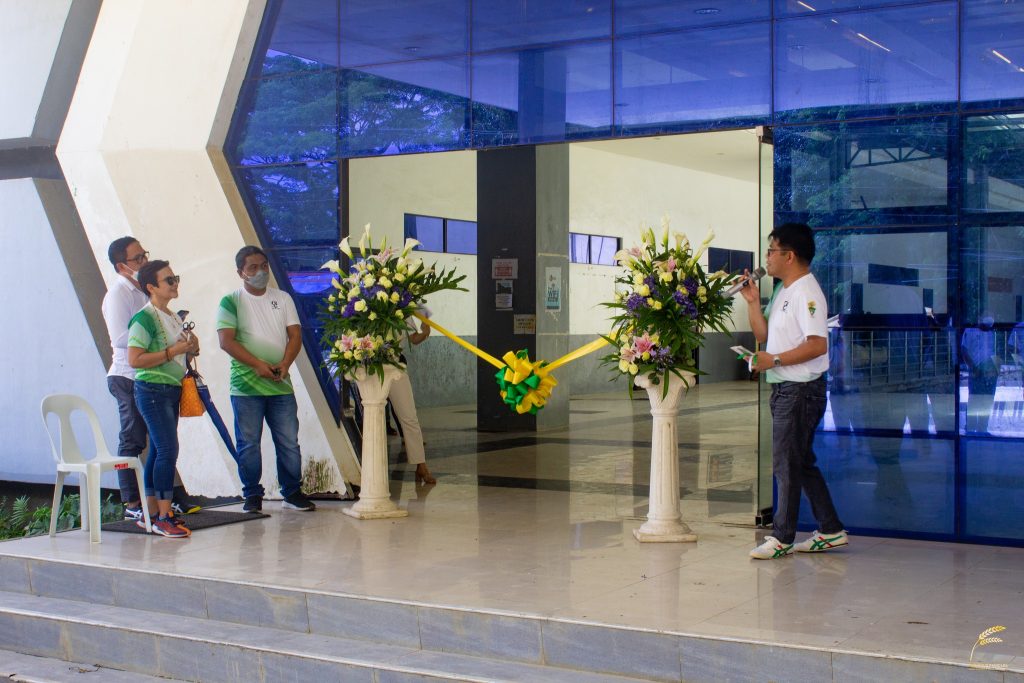
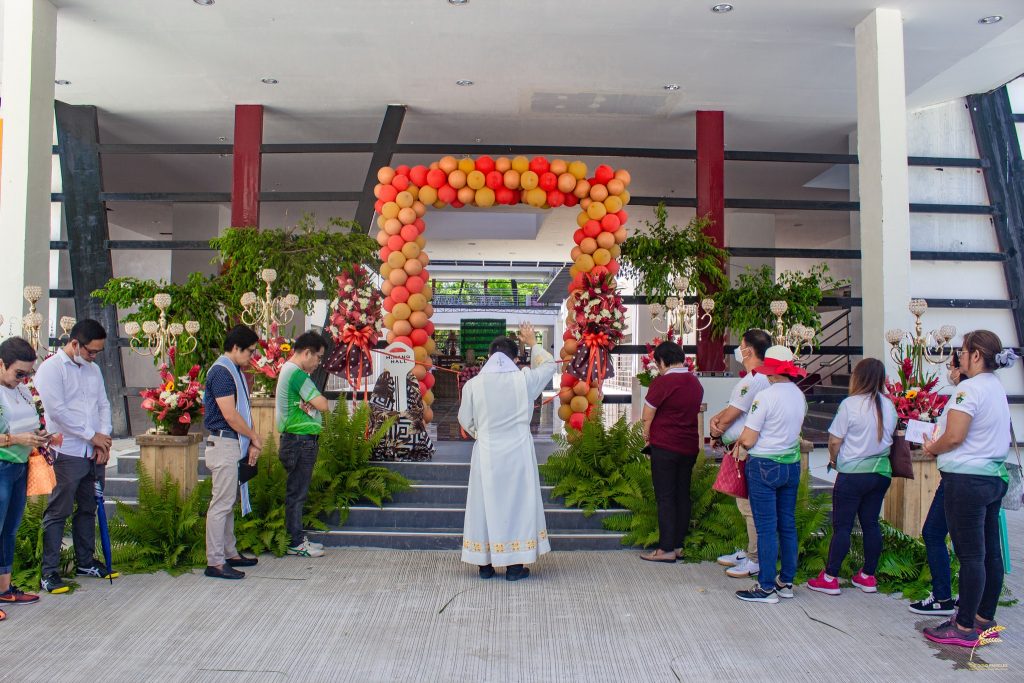
CSU welcomes new vehicles; blesses new Farm Mech, CCIS, CEGS buildings

Transition toward Green Campus governance

With the revision of the development plan and the establishment of Hiraya ’28 in December 2023, campus governance is set to transition toward a Green Campus. Special Order No. 50 (2025) established a Smart Campus and Green Campus Development Plan committee. Its deliverables include increasing the share of electricity generated from renewables, reducing utility costs by ₱4.3 million, and achieving a five‑per‑cent increase in energy efficiency as measured by energy audits. The order directs the university’s planning unit to develop policies and standards for sustainable infrastructure, to integrate green building practices and energy conservation into future projects, and to set guidelines for waste mitigation and climate‑resilient infrastructure.

As part of the committee’s response, a three‑day writeshop was held to draft the preliminary sections of the Green Campus Development Plan and the Smart Campus Development Plan. To advance these initiatives, the committee submitted the first draft of the Green Campus Energy Plan to top management, which will first be presented to the Executive Committee. This plan lays out strategic initiatives to achieve green and clean energy, reduce carbon footprints, and details both capital projects and behavioural initiatives. It also prompts the university to promulgate additional orders and memoranda to institutionalize best practices for reducing consumption.

These documents show that CSU’s plan to reduce energy consumption is more than aspirational: it is supported by detailed, enforceable policies covering HVAC operation, lighting retrofits, behaviour change, vehicle use, and governance structures. Embedding these guidelines within the broader Green Campus Energy Plan ensures that consumption‑reduction targets (10 % by 2025 and 20 % by 2028) are achievable and compliant with national regulations.

Energy-efficient renovation and Infrastructure Development

The university’s Land Use Development and Infrastructure Plan (LUDIP) incorporates energy efficiency and renewable generation as core considerations from the planning stage. The plan states that architects and engineers must deliberately consider energy efficiency and conservation in designing campus facilities and highlights future priority projects such as university‑wide solar power systems and electric‑vehicle transport. It cautions that energy use and carbon footprint will continue to rise without green technologies reinforcing the need for upgrades. To implement the energy-related initiatives outlined in the LUDIP, CSU has developed and is executing a comprehensive plan to upgrade its existing buildings to higher energy efficiency. Evidence from policy documents and recent projects highlights concrete actions and targets.
  • Strategic targets and deliverables: The Smart Campus/Green Campus Development Plan committee, constituted in 2025, is tasked with raising the percentage of energy derived from renewable sources, reducing utility costs by ₱4.3 million, and achieving a 5 % increase in energy efficiency based on energy audits. These targets show a clear intention to retrofit and upgrade campus facilities to improve energy performance. The same order requires integration of green building practices and energy‑conservation measures into all infrastructure development.
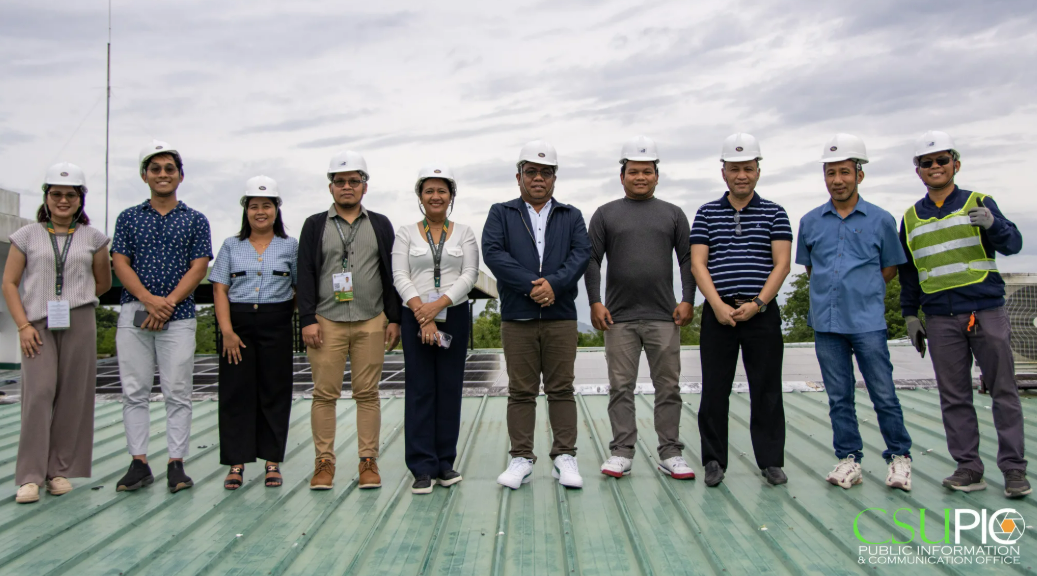
  • Solar PV expansion and renewable generation: CSU has already begun retrofitting its buildings with on‑site renewable energy. In July 2025 the university commissioned a 221‑kW rooftop solar photovoltaic system on three campus buildings (Hinang, Masawa and Hiraya). The system, funded through CHED‑IDIG grants and the university’s internal funds, is expected to reduce electricity costs by up to 15 %. The project serves as a “living laboratory” for students and is complemented by TESDA‑accredited courses in renewable energy. Plans are underway to expand the inverter capacity to 300 kW and install additional 100‑kW systems at the new dormitory and at the Cabadbaran Campus. Solar‑powered street and perimeter lighting are also being installed.
  • LED lighting and HVAC upgrades: In line with the 2021 energy‑efficiency guideline, CSU is retrofitting all fluorescent lamps with LED fixtures and undertaking monthly illuminance checks. High‑usage areas (lecture halls, laboratories and offices) are prioritised, and the goal is to achieve 100 % LED lighting by 2026. The guideline calls for replacing conventional air‑conditioning units with inverter‑type models and installing shading or glass tinting on sun‑exposed windows. The Green Campus Energy Plan further identifies HVAC optimisation (including programmable thermostats, preventive maintenance and passive cooling measures) as a major strategy to cut cooling energy use by at least 20 %.
  • Energy audits and smart monitoring: CSU conducts annual energy audits and maintains a database of electricity and fuel consumption for all buildings and vehicles. Researchers have developed IoT‑based energy‑monitoring systems that provide real‑time data on building consumption; these systems are being scaled across the campus. The continuous monitoring allows facilities staff to detect anomalies (e.g., lights left on overnight) and supports data‑driven retro‑commissioning.

These initiatives illustrate that CSU not only has a policy commitment but also concrete plans and ongoing projects to upgrade buildings for higher energy efficiency. Publicly available orders and news articles document the procurement and installation of renewable‑energy systems and the phased retrofitting of lighting and HVAC. The integration of energy‑efficiency targets into the Smart Campus/Green Campus Development Plan provides a structured roadmap for further upgrades.

University’s Energy Use Density

Energy use density (EUD) measures the amount of energy consumed per unit floor area. At present, the University’s total floor area is around 80,000 square meters. CSU monitors EUD to understand how efficiently its buildings operate and to guide interventions.

Baseline energy profile:
The university operates campuses in Butuan City and Cabadbaran. The LUDIP notes that between July 2021 and June 2022, monthly electricity consumption increased from ≈69 400 kWh to 142 370 kWh as new buildings were constructed. Without green technologies, energy use and carbon footprints would continue to rise. Energy audits estimate an average energy‑use intensity of ~120 kWh per m² per year across the campuses (based on total floor area). Major consumers include laboratories, IT centres and dormitories, where cooling and equipment loads dominate.

Building‑specific energy use and emissions:
The LUDIP presents a table of estimated carbon footprints for new buildings, detailing floor areas, annual energy demand and greenhouse‑gas emissions. Due to limited budget for capital outlay from the national government, the College of Medicine Building is the only project that has started for the Near-Term plan. For this project, it is projected to consume 740,607.15 kWh per year, resulting in ≈ 367 MTCO₂e of emissions, while the College of Forestry and Environmental Sciences (CoFES) Building Complex has lower but still significant energy demands. These data highlight the need to design and retrofit buildings with efficient systems to reduce energy use per square meter.

NEAR-TERM (2025-2025)
IMPLEMENTATION
Total Gross Floor AreaDemand Load (kW)Transformer Qty. / Capacity (kVA)kWH/YearTotal GHG Emision (MTCO2e)Vegetation Cover Equivalent (in hectare per year)
COLLEGE OF AGRICULTURE & AGRI-INDUSTRIES7,890.00133.0023100294102.53145.8710.89
COLLEGE OF EDUCATION COMPLEX4,943.52158.59353167350692.1173.9412.98
COLLEGE OF MEDICINE5347.7057334.92483250740607.15367.3427.14
CoFES BUILDING COMPLEX7543132.2013100292331.31145.0010.82
 TOTAL832.1662.10

Monitoring and reduction strategies:

Solar Power Technologies

CSU’s energy‑efficiency guideline requires maintaining records of electric bills and lighting/AC inventories and keeping an energy‑consumption monitoring database for all buildings and vehicles. IoT‑based monitoring provides real‑time consumption data, and annual energy audits calculate metrics such as kWh per student and kWh per square metre. The Green Campus Energy Plan aims to lower the average EUD to below 100 kWh per m² per year by 2028 and to reduce total electricity consumption by 20 % relative to a 2023 baseline. Solar PV installations already contribute; the 221‑kW rooftop system supplies ~15 % of the main campus’s needs and is planned to expand further. LED lighting retrofits and inverter‑type HVAC upgrades are expected to reduce EUD by cutting consumption in lighting and cooling systems.

Vegetation and Forest Cover Restoration

The Land Use and Development Infrastructure Plan (LUDIP – Master Plan) of the University also provided a solid Greenhouse Gas Reduction Program. ​​The Caraga State University’s current setting is rich with natural vegetation and forest area. Using remote sensing techniques, the natural vegetation and forest area is mapped and estimated to be approximately 213 hectares which is 92% of the total land area of the campus.

The method of Bernal (2018) was employed  in estimating the equivalent land area needed to reduce the carbon footprint through vegetation cover. As a result, the master plan presents an estimated vegetation cover needed once the near term, middle term, and long term plan of infrastructure development are implemented as shown in the captured image from the LUDIP below:

Implementation PeriodEstimated Accumulated GHG Emission (Existing + Proposed) in TCO2eTotal Vegetation Cover Equivalent for Carbon Reduction (hectare/year)Available vegetation Area (hectares)Area Variance (hectares)
Pre-Implementation Term (Existing  Buildings)2104.46157.05213.07+56.02
Near Term (2022-2025)2936.62219.15211.88-7.27
Middle Term (2022-2032)4493.05335.30207.47-127.83
Long Term (2022-2042)5522.86412.15203.33-208.82

As can be observed in Table 26, once the project components under Near-Term Implementation, the vegetation requirement to offset the carbon emission will increase by 62 hectares, resulting in a total vegetation land area of approximately 219 hectares. During this implementation term, the available vegetation cover is only 211 hectares, approximately. Hence, anticipating the negative variances on the available vegetation cover versus the demand due to the infrastructure projects, the University should set a sustainable Greening Program by 2025.

As mentioned earlier, there is only one ongoing construction project for the near-term plan implemented at the Main Campus, the building for the School of Medicine. This however did not limit the University’s endeavors for its greening program. Last June 19, 2024, the Pollution Control and Environmental Management Office (PCEMO) of the university successfully launched the University Carbon Sink Enhancement Program, marked by planting 2,532 native trees at the Basag and Antongalon boundaries of the university. This initiative pushes to uplift our Golden Paddlers’ commitment to environmental stewardship and sustainability.

750 Sagimsim, 792 Lanutan, 78 Lipote, 463 Pipi, and 449 Kalantas trees were collectively planted by the graduating Sanghaya Class of 2024, postgraduate students, CEAS members, and NSRC volunteers. This effort aligns with several key legislative frameworks and mandates, including Executive Order No. 26 (National Greening Program), Republic Act No. 10176 (Arbor Day Act), and Republic Act No. 9729 (Climate Change Act). Additionally, it meets the Environmental Compliance Certificate (ECC) conditions, which require tree planting to mitigate vegetation loss and bolster reforestation efforts. The program also adheres to CHED Caraga Memorandum Orders No. 38 and No. 68, Series of 2022, as part of the “Growing One Million Trees Advocacy Program,” involving the graduating students, NSTP, CES, and OSAS in all Higher Education Institutions (HEIs) within the Caraga Region.

And last September 27, 2025 , the Caraga State University Pollution Control Unit (PCU), successfully conducted a Campus-Wide and Ampayon Creek Cleanup Drive in observance of World Cleanup Day 2025. The activity was held in partnership with the NSTP (CWTS and LTS) students and facilitators, CSU-CEAS, CSU-Forestry Students’ Guild, and General Services, reaffirming the University’s commitment to environmental protection and sustainable development. The activity encompassed two major components:

1.A cleanup drive covering the CSU campus premises and Ampayon Creek under the Adopt-an-Estero/Waterbody Program, aimed at mitigating pollution and promoting proper waste management; and

2.A tree planting and weeding activity at Lawaan Park inside the campus, where a total of 48 Narig tree seedlings were planted as part of the University’s reforestation and campus greening initiatives.

The Cabadbaran Campus of CSU also participated in the Greening Program of the University. Last May 2024, CSUCC’s Office of the Pollution Control and Environmental Management in collaboration with the CSUCC-USG have recently conducted a Tree Planting Activity at P.1 B Comagascas, City of Cabadbaran in observance with the CHED Memorandum No. 38 series of 2022. This activity was primarily participated by students and the personnel of the aforementioned office.  While March of this year, ​​March 2025, The Caraga State University Cabadbaran Campus ROTC Unit under the 1501st (ADN) Community Defense Center, 15RCDG, RESCOM, PA successfully conducted a Tree Planting Activity held at Puting Bato, Cabadbaran City, with its Cadet Corps, spearheaded by CDT COL DIANAH MYRA SALAZAR (ROTC) 1CL, Corps Commander together with the NSTP Head, Ms Cora B Cabonce, MAHE, ROTC Coordinator, Pvt Juanito V Cellion Jr PA (Res) and Sgt Armando I Bunio (SC) PA, Chief Clerk of CSUCC ROTC Unit.

With the theme “𝘛𝘳𝘦𝘦 𝘰𝘧 𝘓𝘪𝘧𝘦, 𝘛𝘳𝘦𝘦 𝘰𝘧 𝘏𝘰𝘱𝘦”. The Tree planting activity brings the community together to plant saplings as symbols of growth, resilience, and renewal. Each tree represents not only a commitment to the environment but also a belief in new beginnings and the power of hope. As the Advance ROTC Cadet Officers plant their trees, they are reminded that, just like the tree, we can endure life’s challenges and emerge stronger, nurturing the future with every step. This simple act of planting is a powerful reminder that, with care and time, hope can take root and blossom into something beautiful.

Overall, CSU recognises that managing energy use density is key to achieving sustainable operations. By tracking energy per floor area and implementing targeted upgrades—such as renewable generation, efficient lighting, HVAC optimisation, smart monitoring, and data-driven greening program —the university is working to decouple energy demand from campus growth and to achieve meaningful reductions in EUD.

CSU Energy Initiatives and the Community

CSU actively provides outreach programmes that teach local communities about renewable energy and efficiency:

Local community outreach for energy efficiency

Solar PV training in La Januza (2023)

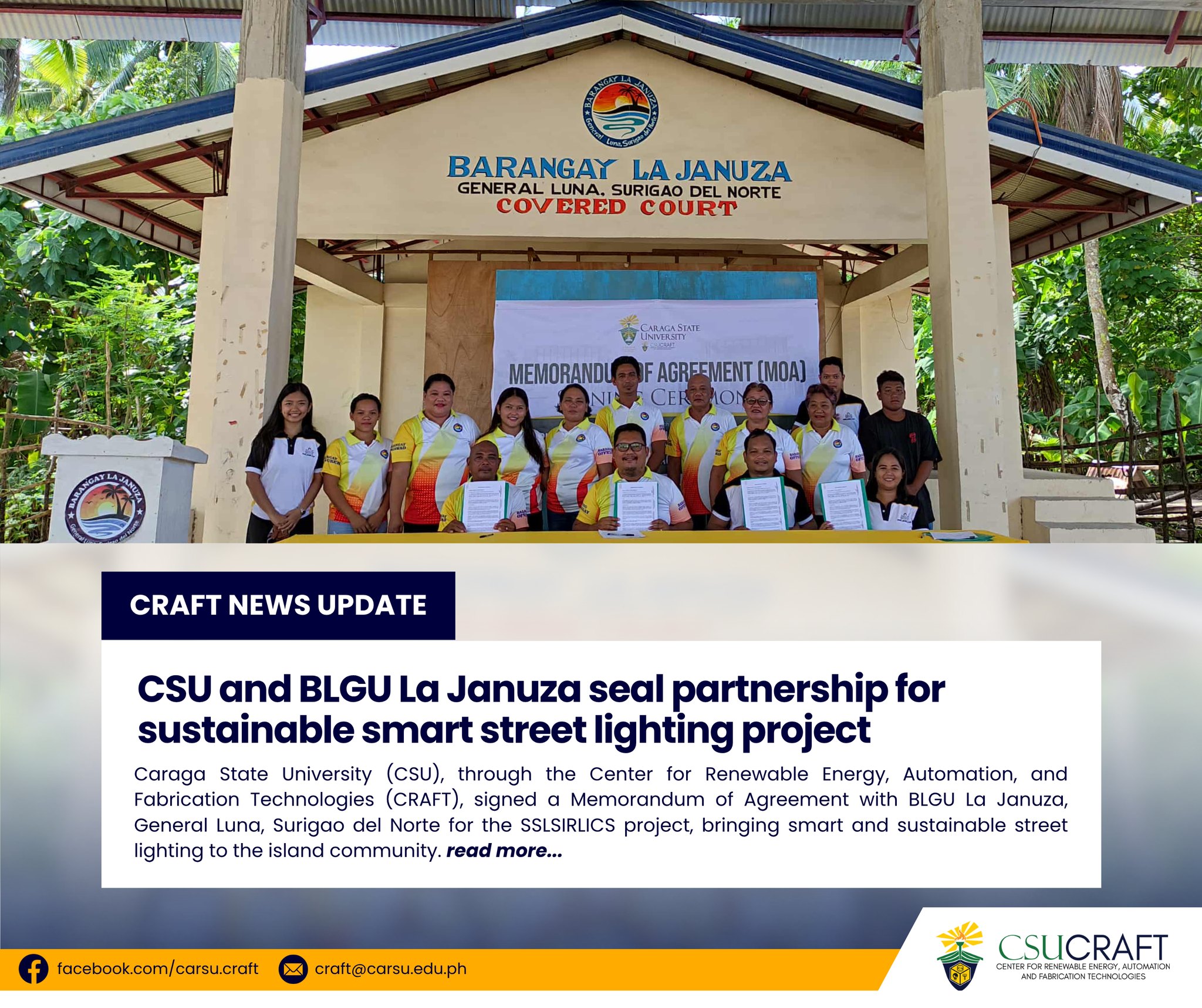
CSU’s Center for Renewable Energy, Automation and Fabrications Technology (CRAFT) conducted a three‑day mission to Brgy. La Januza in Surigao del Norte. Activities included a reconnaissance to understand the barangay’s energy needs, installation of a solar PV system for community lighting, and training local electricians and residents in solar installation and maintenance. Participants learned installation steps and maintenance procedures, and LED lighting was provided to households and communal spaces.

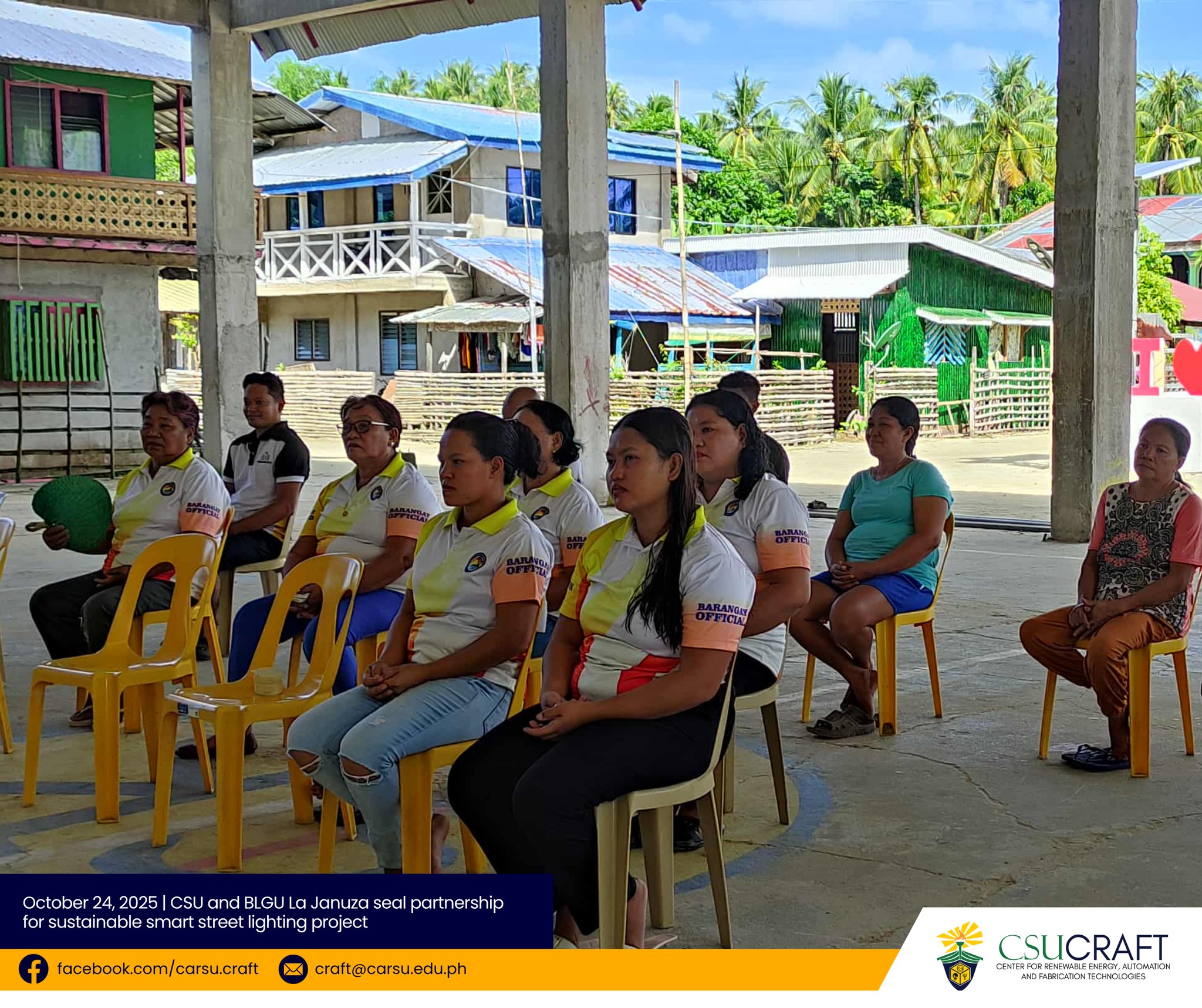
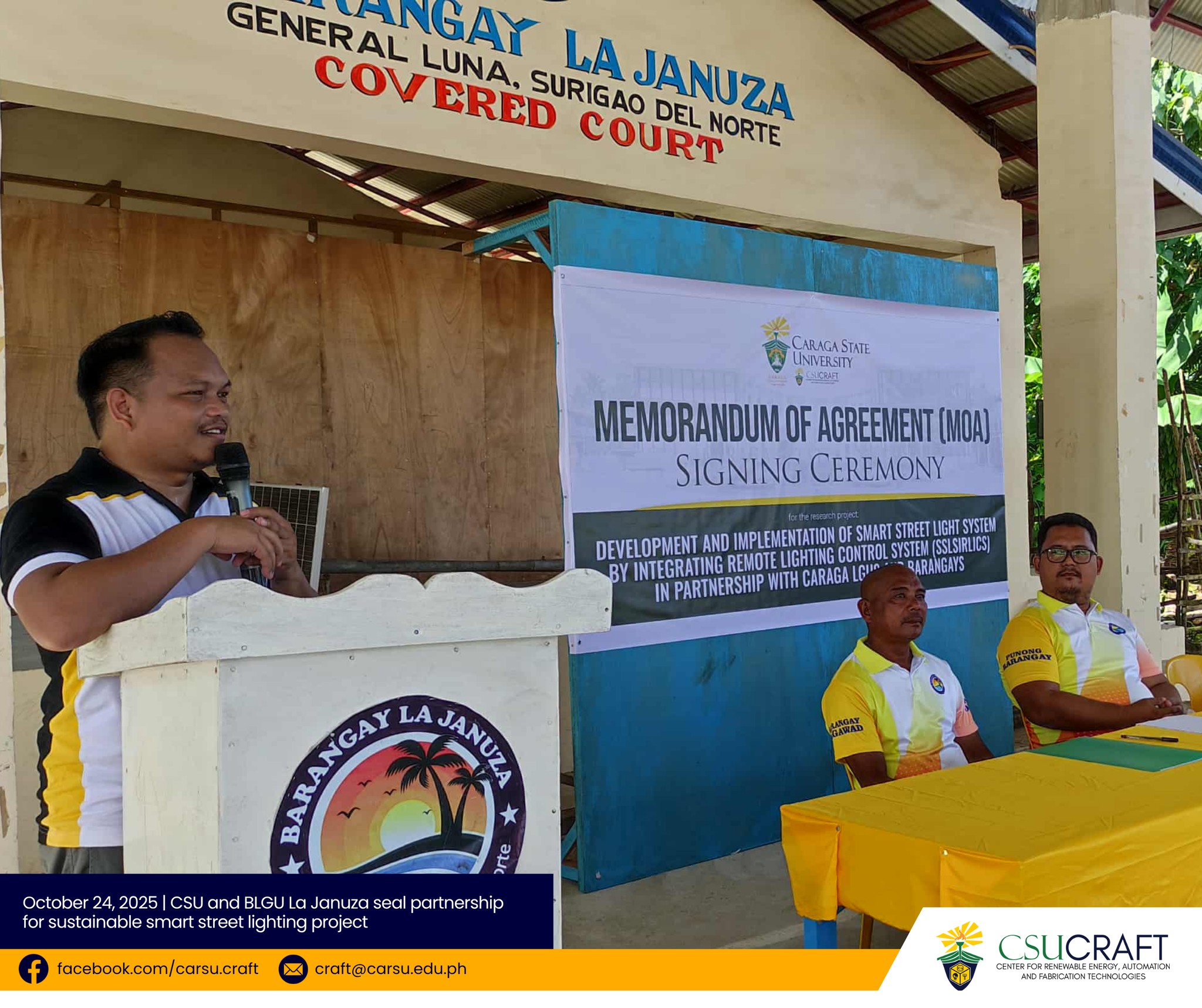
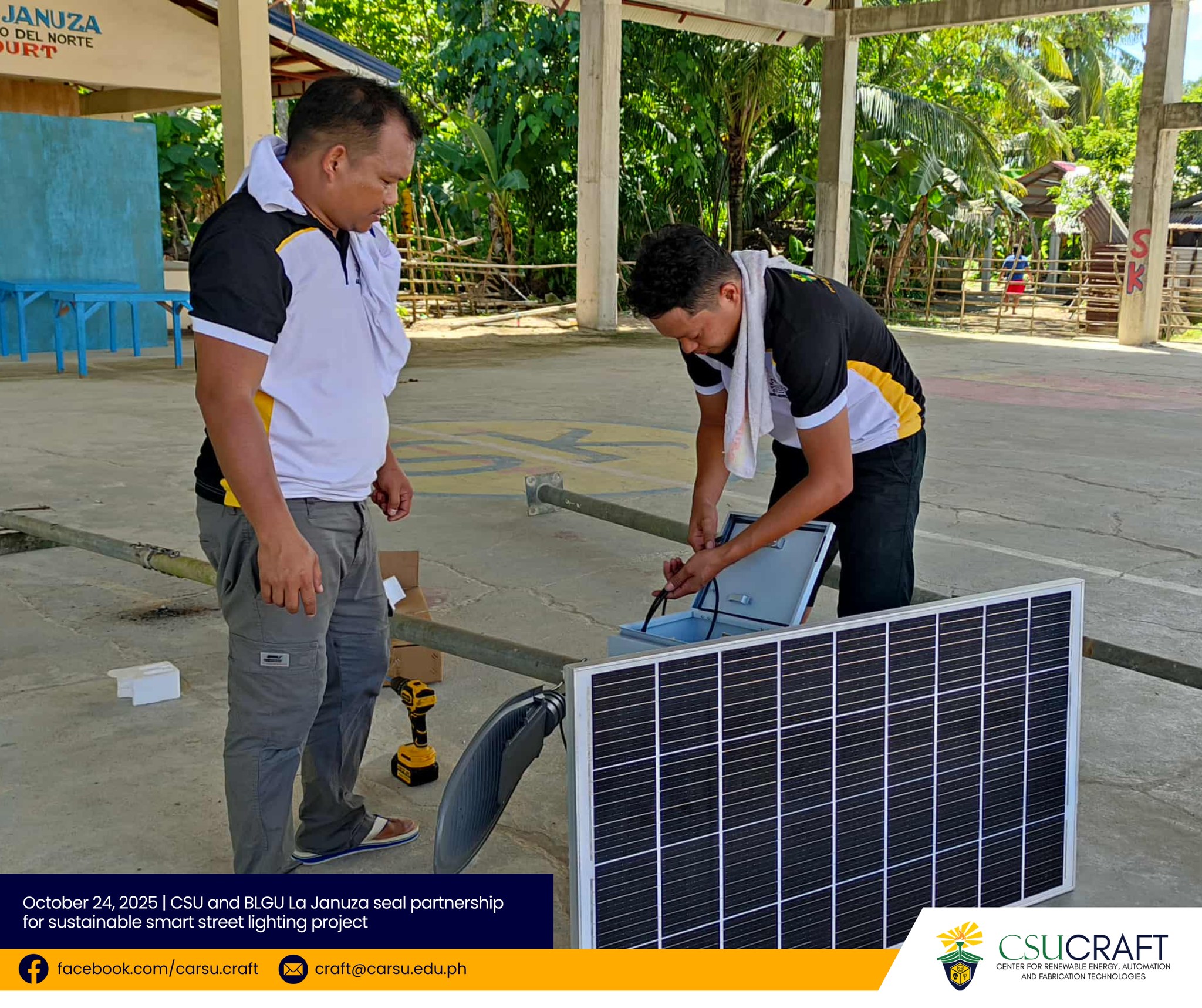
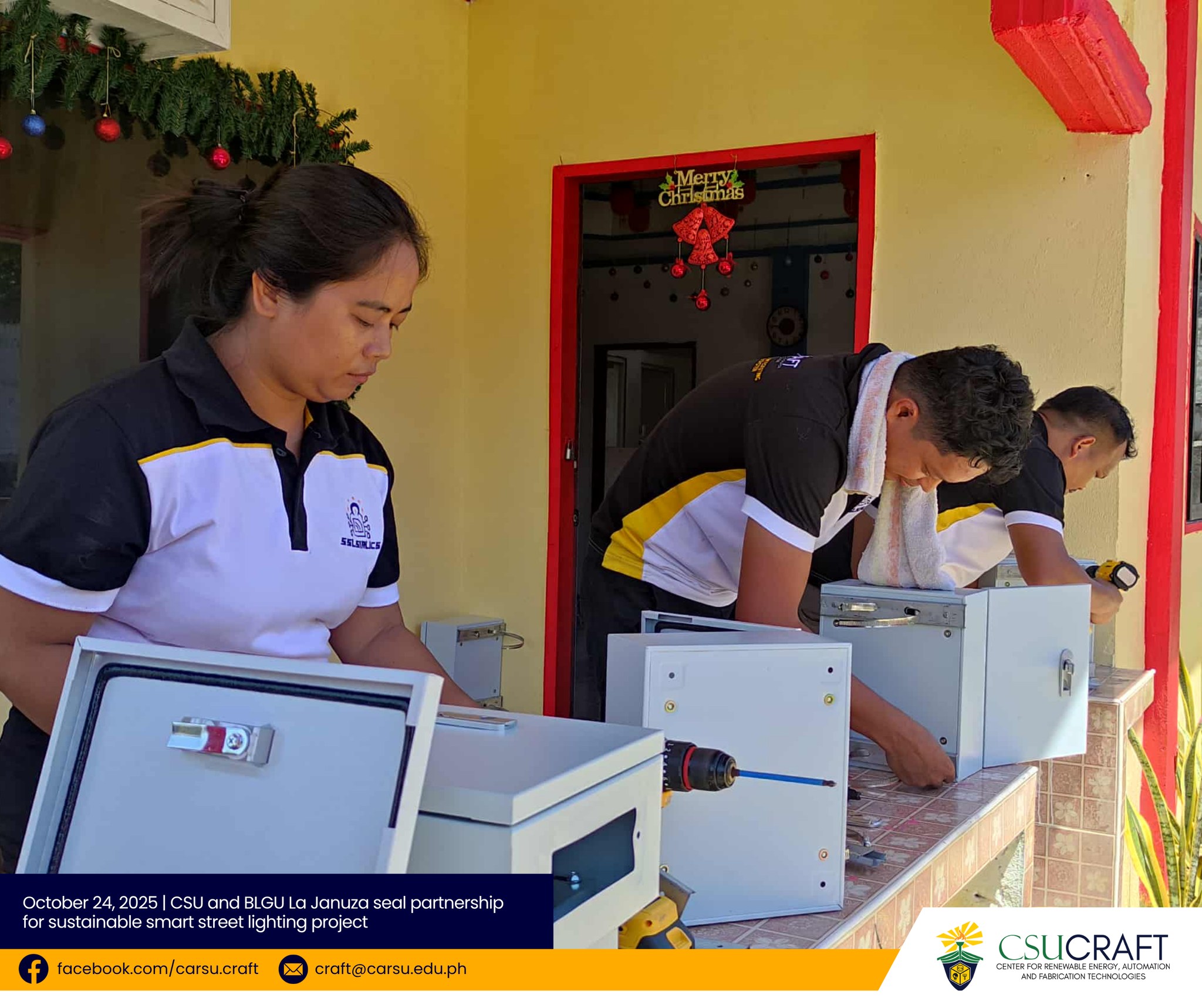
Last October 27, 2025,  the University’s CRAFT Center, formally signed a Memorandum of Agreement (MOA) with the Barangay Local Government Unit (BLGU) of La Januza, General Luna, Surigao del Norte for the research project titled “RS-Development and Implementation of Smart Street Light System by Integrating Remote Lighting Control System (SSLSIRLICS) in Partnership with Caraga LGUs and Barangays.

Following the MOA signing, the CSU team immediately commenced the installation of 15 SSLSIRLICS units as part of the project’s initial implementation. Another 15 units are scheduled for delivery and installation soon, completing the 30-unit allocation for Barangay La Januza. This partnership marks a significant step toward providing sustainable and renewable lighting solutions to off-grid communities, reinforcing CSU’s commitment to innovation-driven and community-centered research and development across the Caraga region.
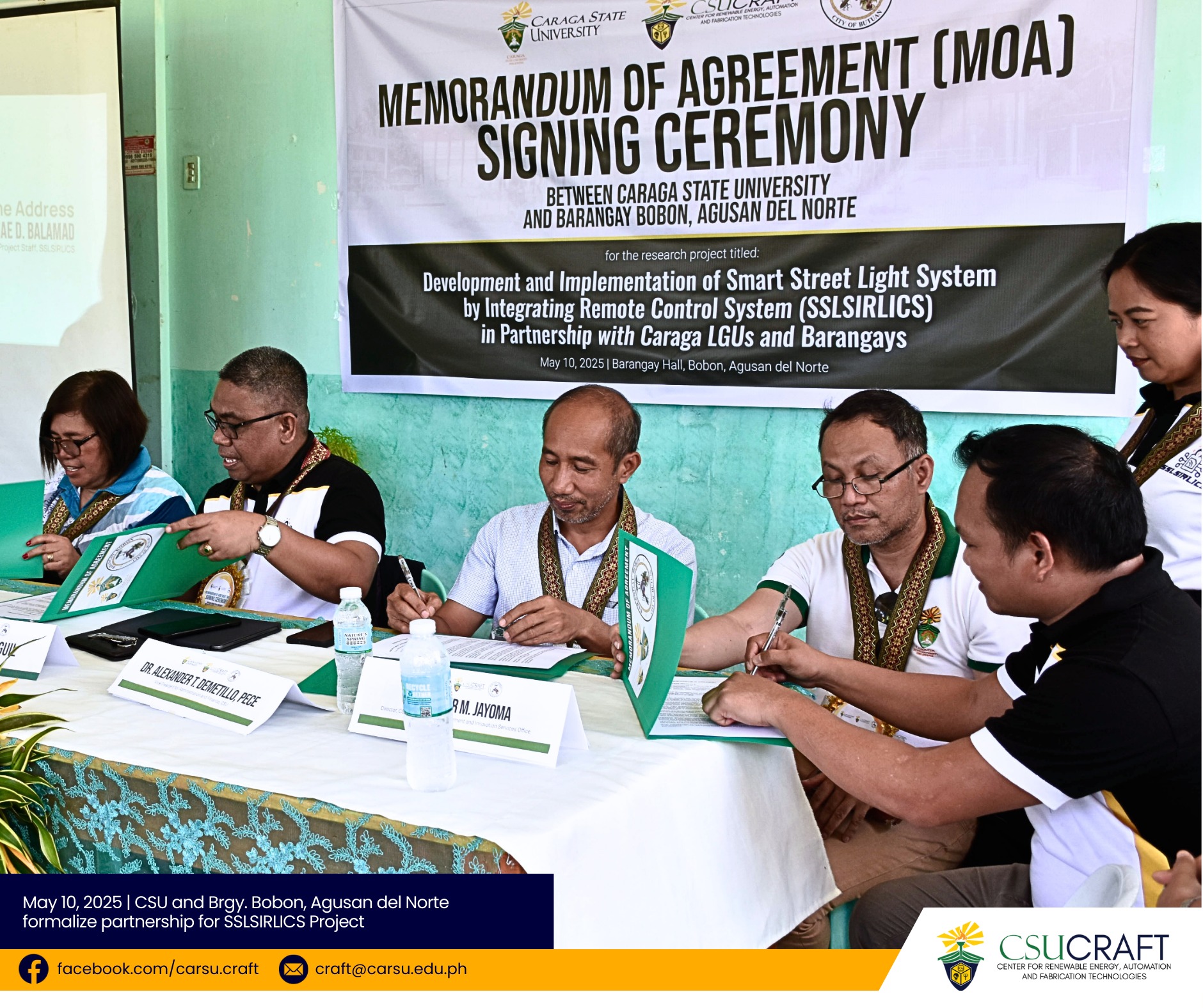
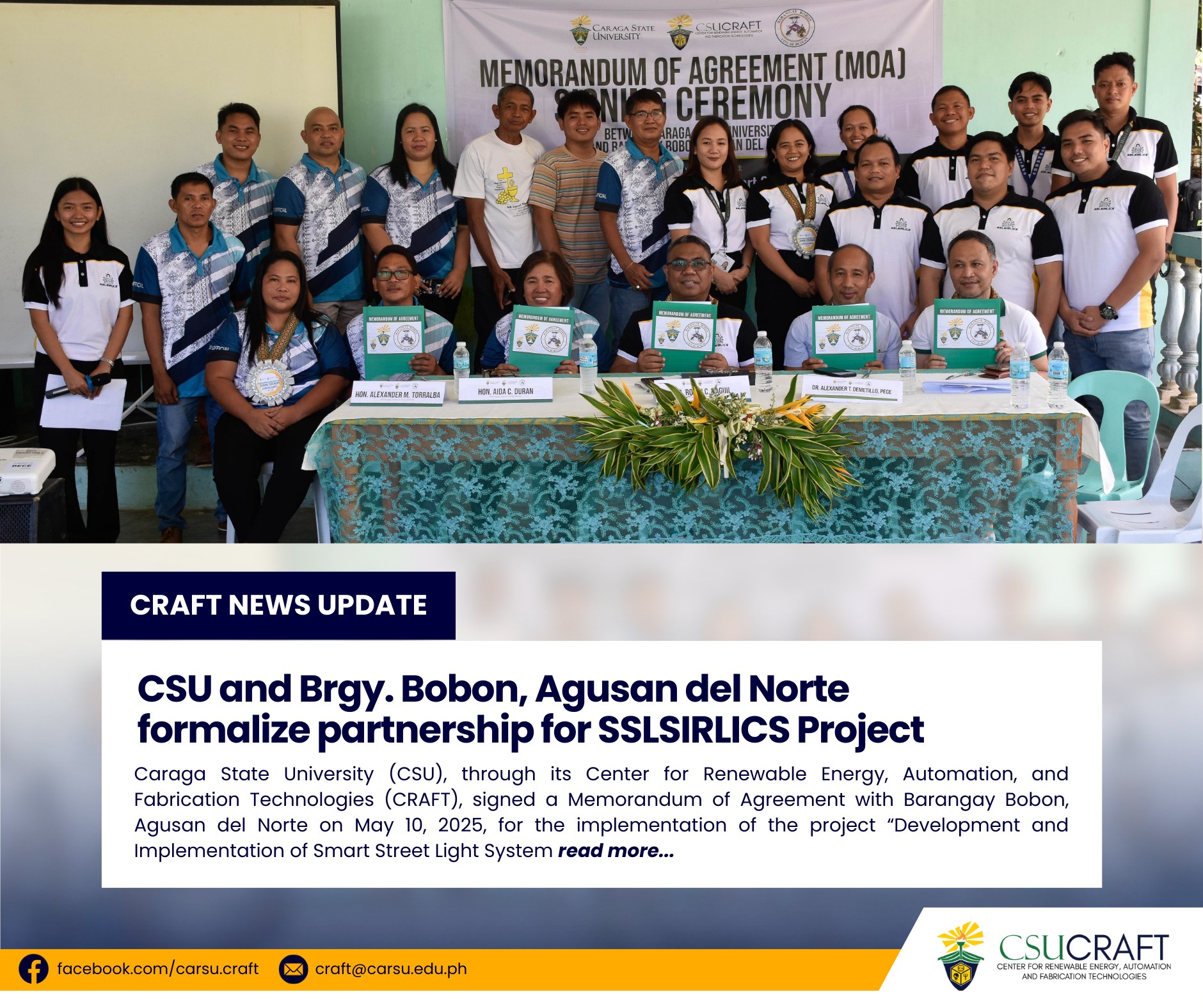
Memorandum of Agreement Signing

with Barangay Bobon, Agusan del Norte on May 10, 2025, for the implementation of the project “Development and Implementation of Smart Street Light System by Integrating Remote Control System in Partnership with Caraga LGUs and Barangays.” During the ceremony, CSU President Dr. Rolyn C. Daguil highlighted the importance of the initiative, noting that the agreement marks the beginning of strengthened collaboration between the university and local communities in advancing smart and sustainable technologies. Barangay Captain Hon. Aida C. Duran expressed her appreciation to the university and reaffirmed the barangay’s full support for the project. The signing was attended by CSU officials, project staff, thesis implementers, and members of the Barangay Council of Bobon—reflecting a shared vision for innovation-driven and resilient communities.
Regional renewable‑energy caravan (June 2024)

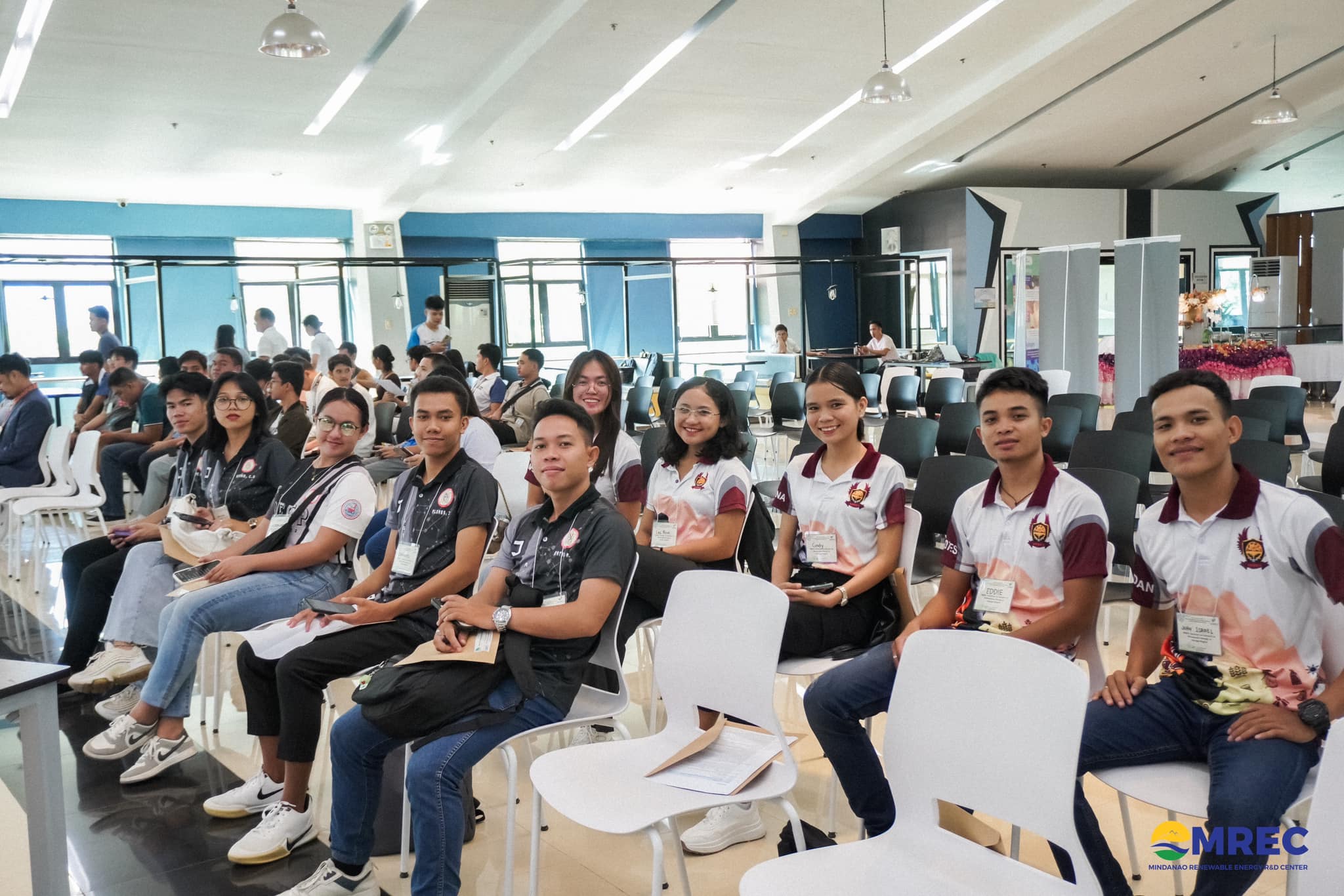
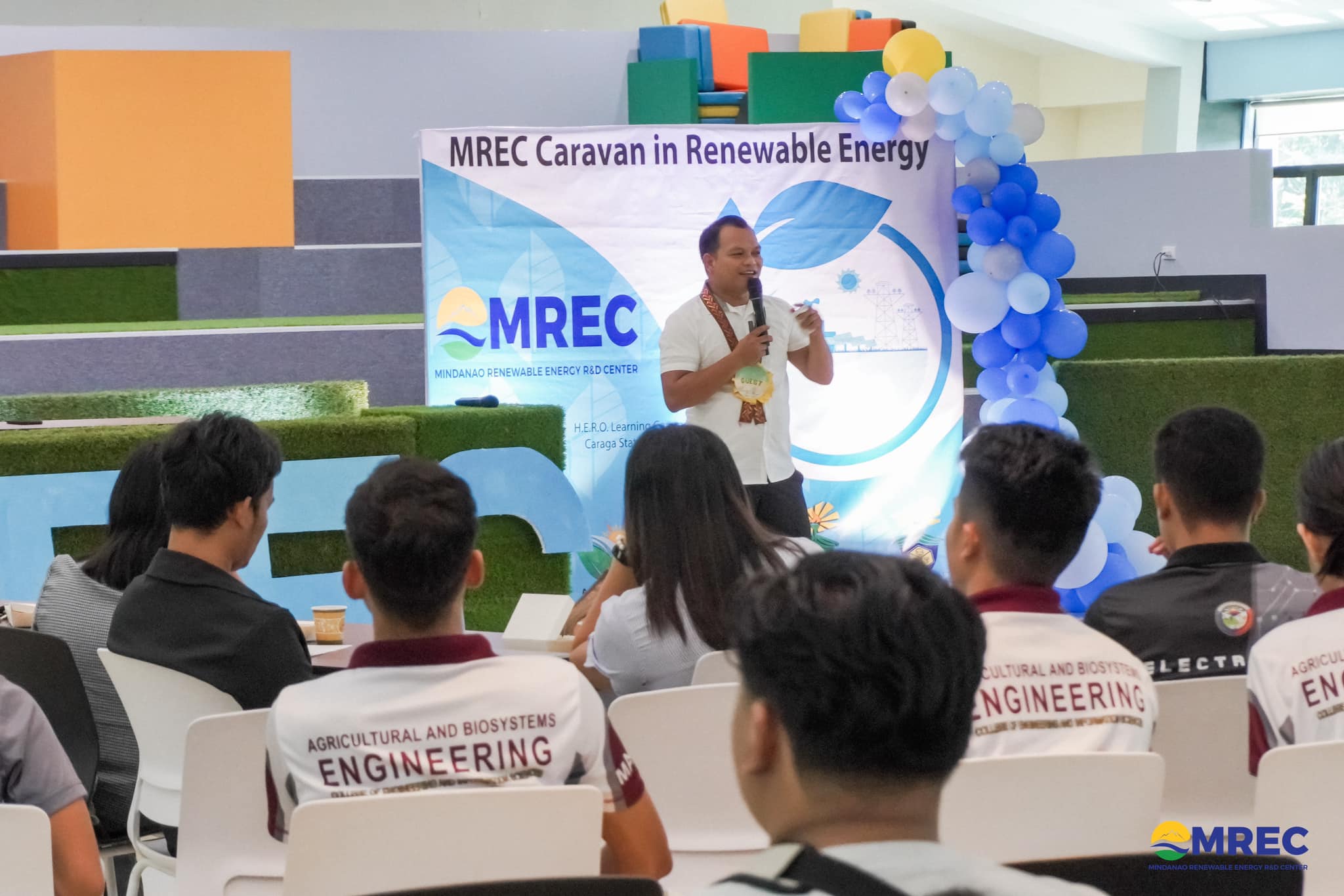
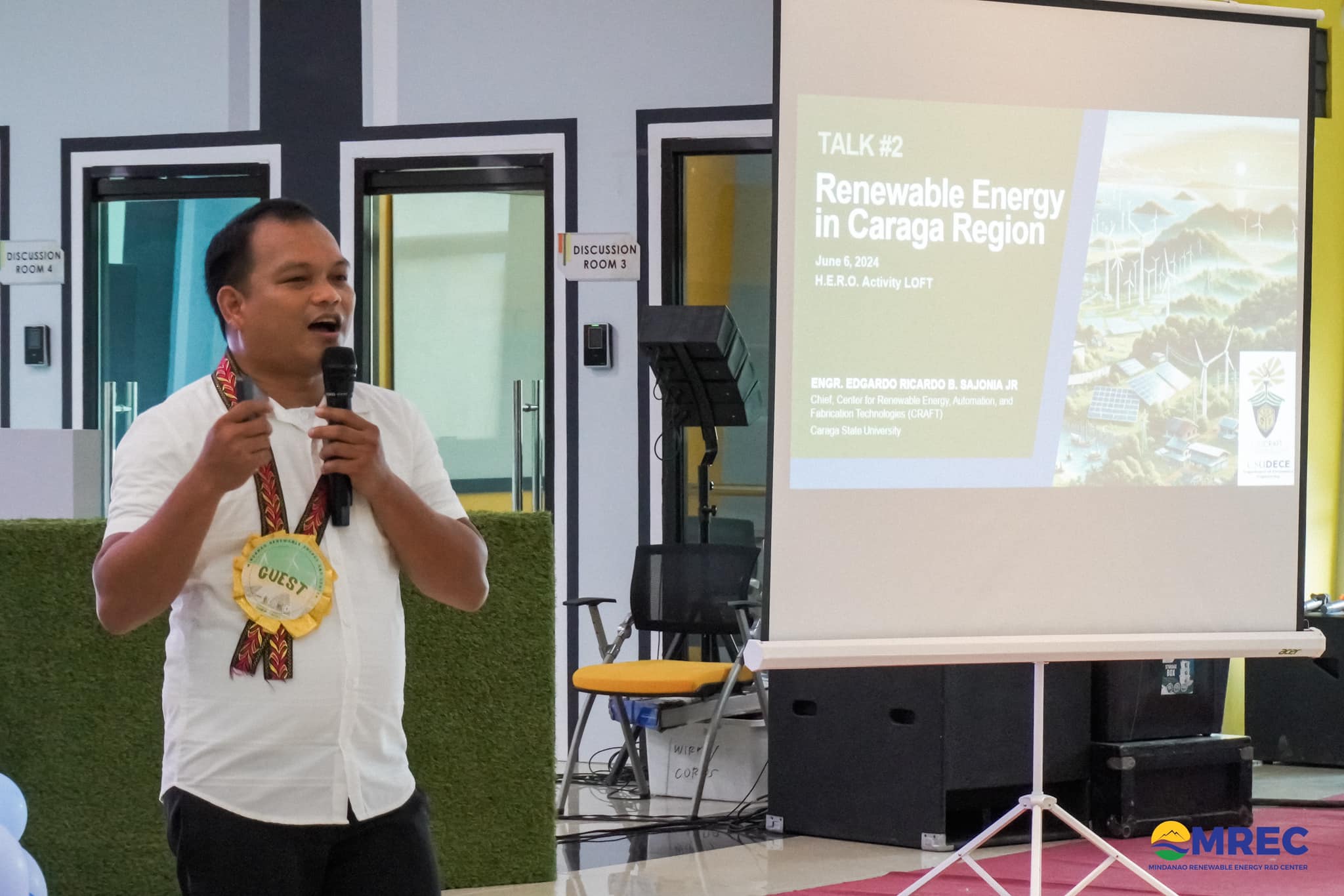
The Mindanao Renewable Energy R&D Center (MREC), MinREACH and CSU’s CRAFT hosted a Caravan on Careers in Renewable Energy at the CSU campus. Students from several universities across Caraga joined lectures and panel discussions with experts from the Mindanao Development Authority, Butuan City Planning Department and the Agusan del Norte Electric Cooperative. The caravan highlighted Caraga’s strengths and challenges in renewable energy and discussed CSU initiatives to address them.
Technology demonstrations and workshops

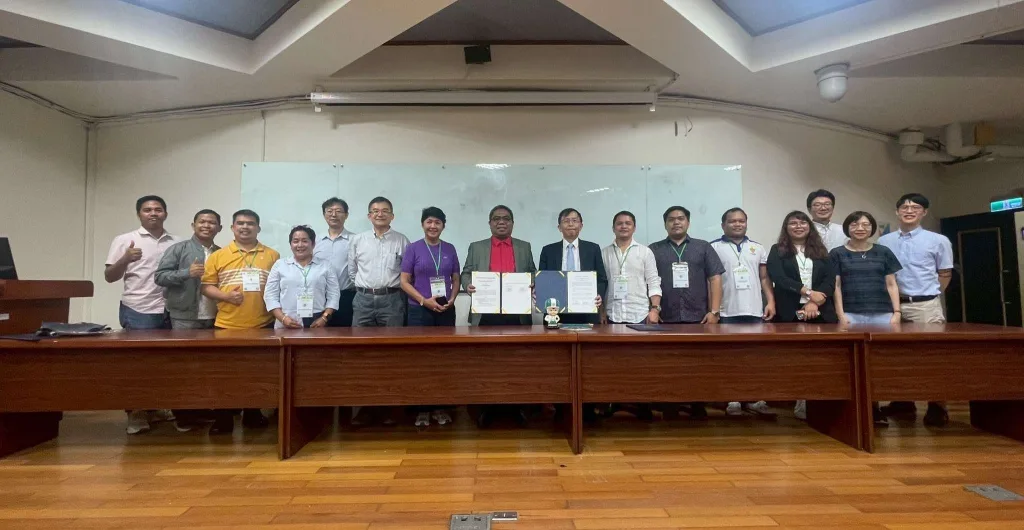
Faculty members participate in international and local workshops on photovoltaic microgrids, AIoT‑based smart energy systems and carbon footprint verification. Outputs from these trainings are replicated for community benefit, such as providing guidance to local governments and schools on solar installations.
100 % renewable energy pledge

CSU’s long‑term vision is to become an “Eco Smart University” by 2030 and its energy plan aims for 50% renewable electricity by 2028.

Energy efficiency services for industry

Free Services

Research Programs and Publications

CSU has steadily developed a sizeable research portfolio on renewable‑energy technologies and energy efficiency over the last decade. An inventory of 44 research outputs provided by the university (2015–2024) shows that CSU faculty and researchers contribute through journal articles, book chapters and conference papers, with emphasis on solar photovoltaics (PV), micro‑hydropower, biomass and smart energy‑monitoring systems. These works not only provide technical solutions tailored to the Philippines and the wider ASEAN region but have also attracted citations from the international research community.

The earliest paper in the list dates back to 2015, when Engr. Dellosa analysed the financial payback of solar PV systems and the impact of net‑metering in Butuan City. Since then, CSU scholars have produced a regular stream of energy‑related papers, averaging four or more publications per year by 2021–2024. Most outputs are conference proceedings in flagship IEEE events such as EEEIC/I&CPS Europe, TENCON, ICDRET and ICEET, reflecting the university’s active engagement in international forums. Other contributions appear in journals (e.g., WIREs Energy and EnvironmentEngineering, Technology & Applied Science Research) and book chapters published by Springer. This mix demonstrates CSU’s ability to communicate results both to peer‑reviewed journals and to practice‑oriented engineering communities.

The 44 energy‑related publications suggest that CSU has built a vibrant research niche in renewable energy and efficiency. Much of the work translates global concepts—floating PV, smart grids, energy harvesting—into solutions for Mindanao and the wider Philippines. The research covers the entire innovation chain: from resource assessment and device fabrication (api.crossref.orgapi.crossref.org) to system design (api.crossref.orgapi.crossref.org), policy analysis (api.crossref.orgapi.crossref.org) and sustainable education (api.crossref.org). The growing citation counts (not less than 61 total citations at present) demonstrate scholarly impact, and the diversity of topics shows responsiveness to local needs such as rural electrification, sustainable mining and waste valorisation. Collectively, these outputs underpin CSU’s contributions to Sustainable Development Goal 7 and position the university as a regional hub for renewable‑energy research and innovation.

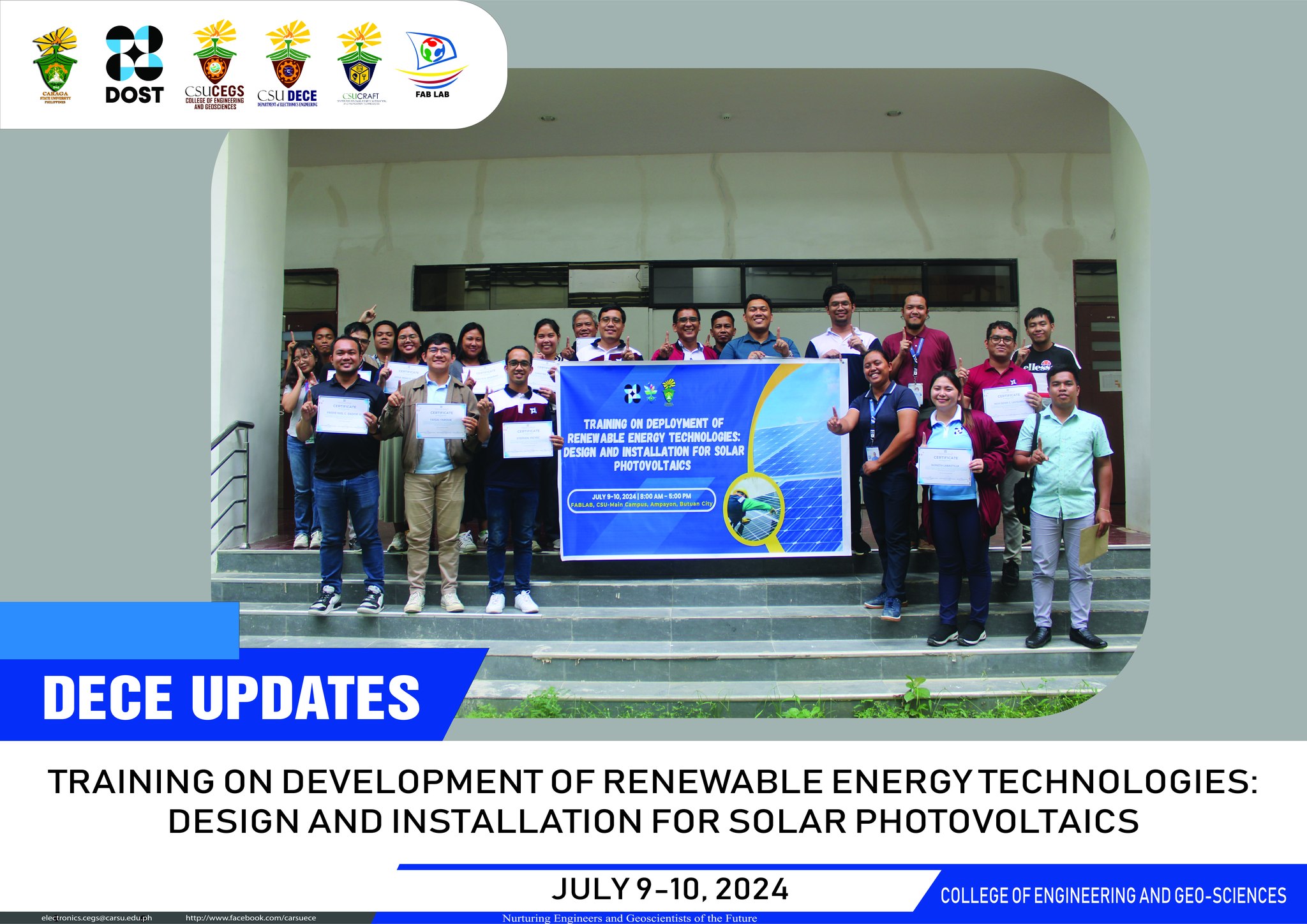
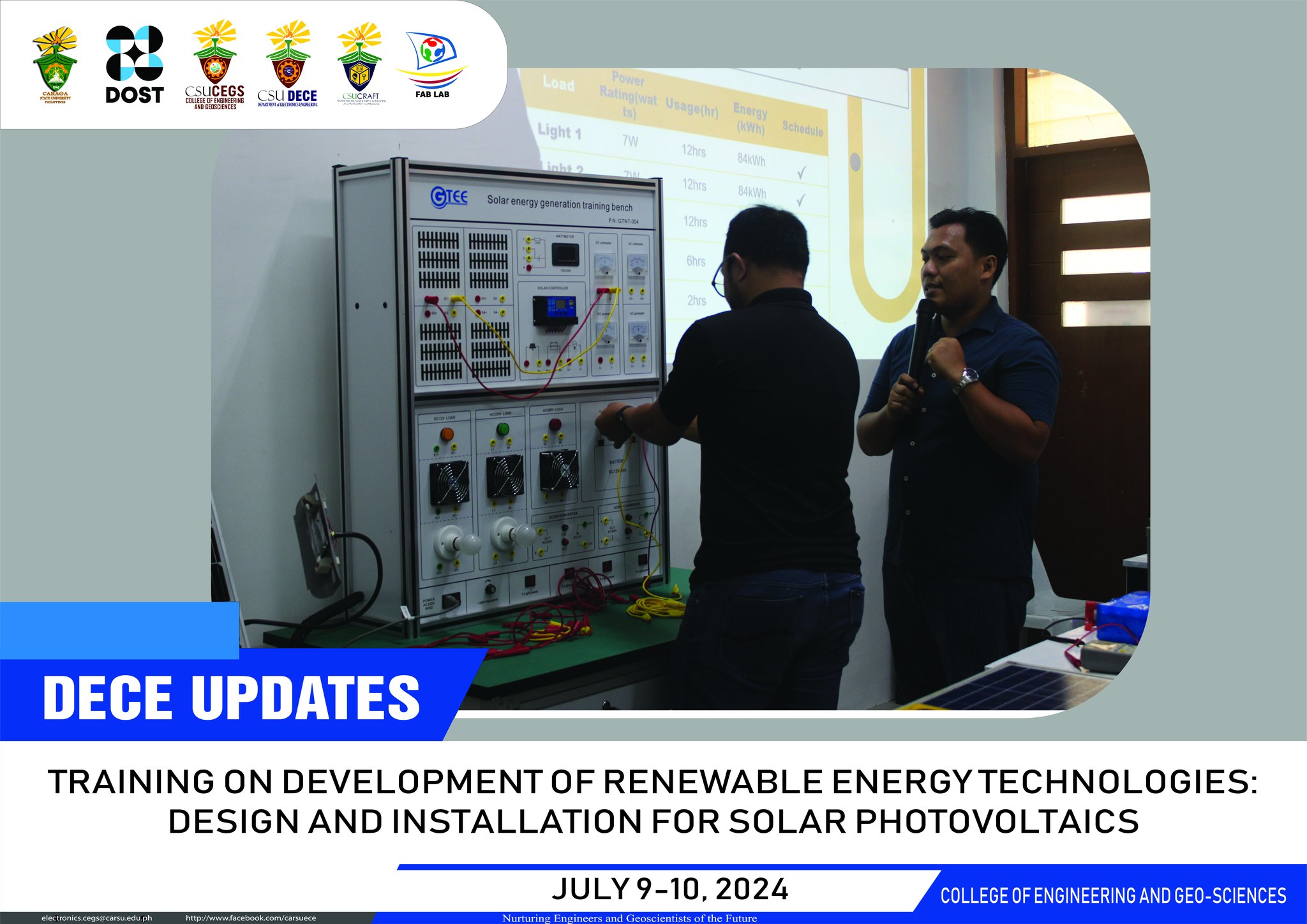
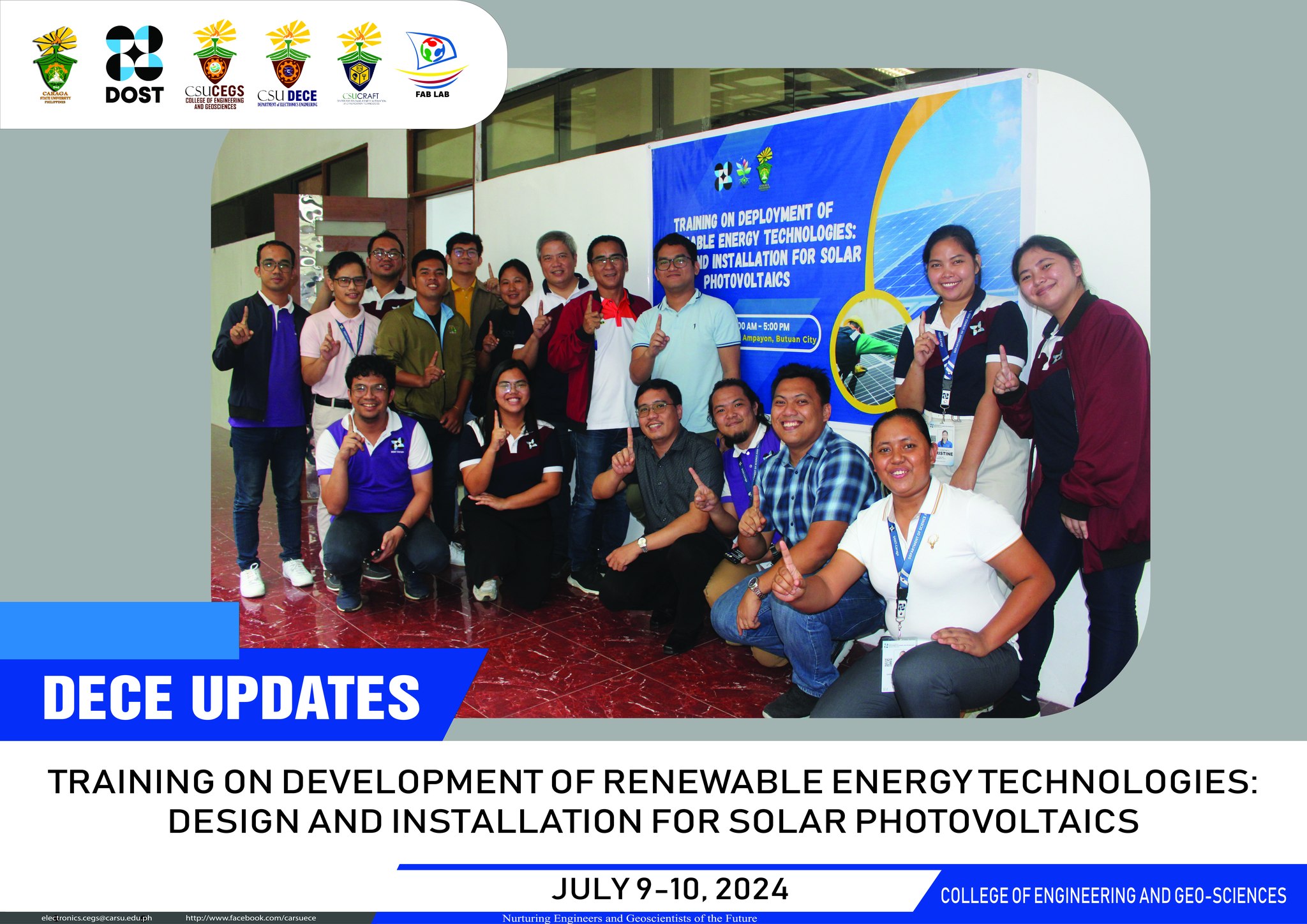
Extension Programs. CSU’s Department of Electronics Engineering and FabLab Caraga partnered with the Department of Science and Technology (DOST) to conduct a two‑day training on the design and installation of solar photovoltaics on 9–10 July 2024. The training introduced participants to renewable‑energy technologies and provided hands-on experience. Such sessions help local industries and organizations adopt solar systems. 
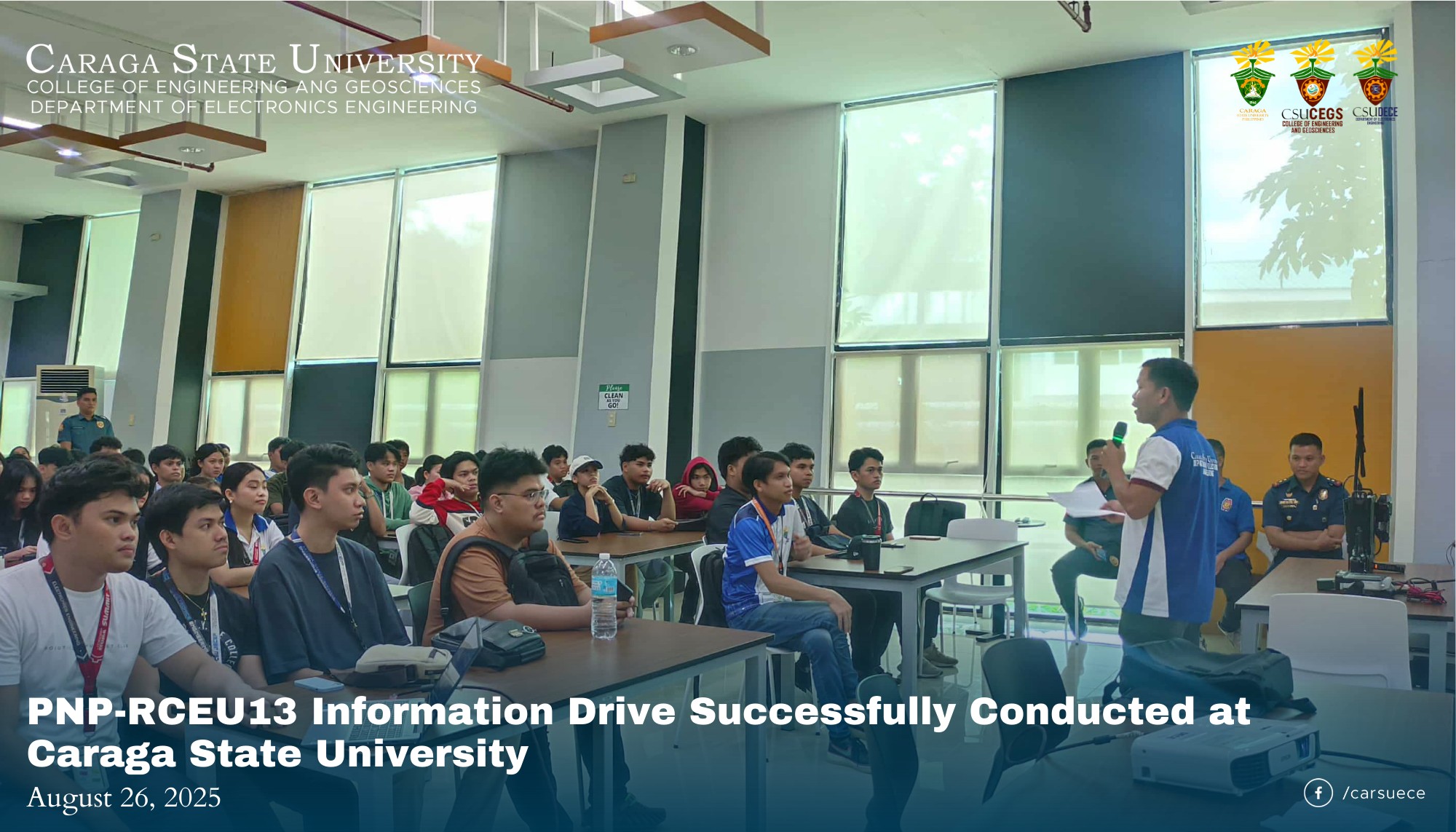
The Department of Electronics Engineering (DECE) of CSU, in partnership with the Philippine National Police – Regional Communication and Electronics Unit 13 (PNP-RCEU13), also successfully conducted an Information Drive on August 26, 2025, at the 1st Floor Archives, HERO Learning Commons, CSU Main Campus. This event was organized in response to the formal request of the PNP-RCEU13 to strengthen awareness among future engineers on the vital role of communication and electronics systems in law enforcement, public safety, and national security. The activity gathered more than 100 participants, composed of 3rd year, 4th year, and graduate students of the BS Electronics Engineering (BSECE) program, as well as faculty members from the department.
Paid services

CSU offers paid community training seminars through external agency sponsorships or grants. In general, CSU’s service programme can provide specialized renewable‑energy training on a cost‑recovery basis.

Consultations and research assistance

The CRAFT center collaborates with DOST projects, DBM and the National Telecommunications Commission (NTC) to provide free consultations on renewable energy and solar PV systems for undergraduate and graduate students, as well as junior high students and MSMEs. These services assist government agencies and enterprises in designing and implementing PV projects.

Policy development for clean energy technology

CSU contributes to policy development across multiple levels:

  • Local and regional support. The University guidelines, draft Green Campus Energy Plan and CSU’s Master Plan dubbed as LUDIP align campus infrastructure with the Butuan Energy Plan and Mindanao’s renewable‑energy strategies. CSU’s CRAFT Director, Engr. Sajonia presented challenges and initiatives in the renewable‑energy transition during the MREC caravan. CSU researchers also engage with local government units (e.g., Brgy. La Januza) to design solar installations and energy policies.
  • National engagement. CSU participates in national conferences such as the LIKHA Summit and the International Conference on Climate Action, Resilience, and Environmental Sustainability (i‑CARES), where discussions include carbon capture and storage and climate‑resilient development. Faculty contributions to energy research are shared with national agencies, supporting the Philippines’ energy policies.
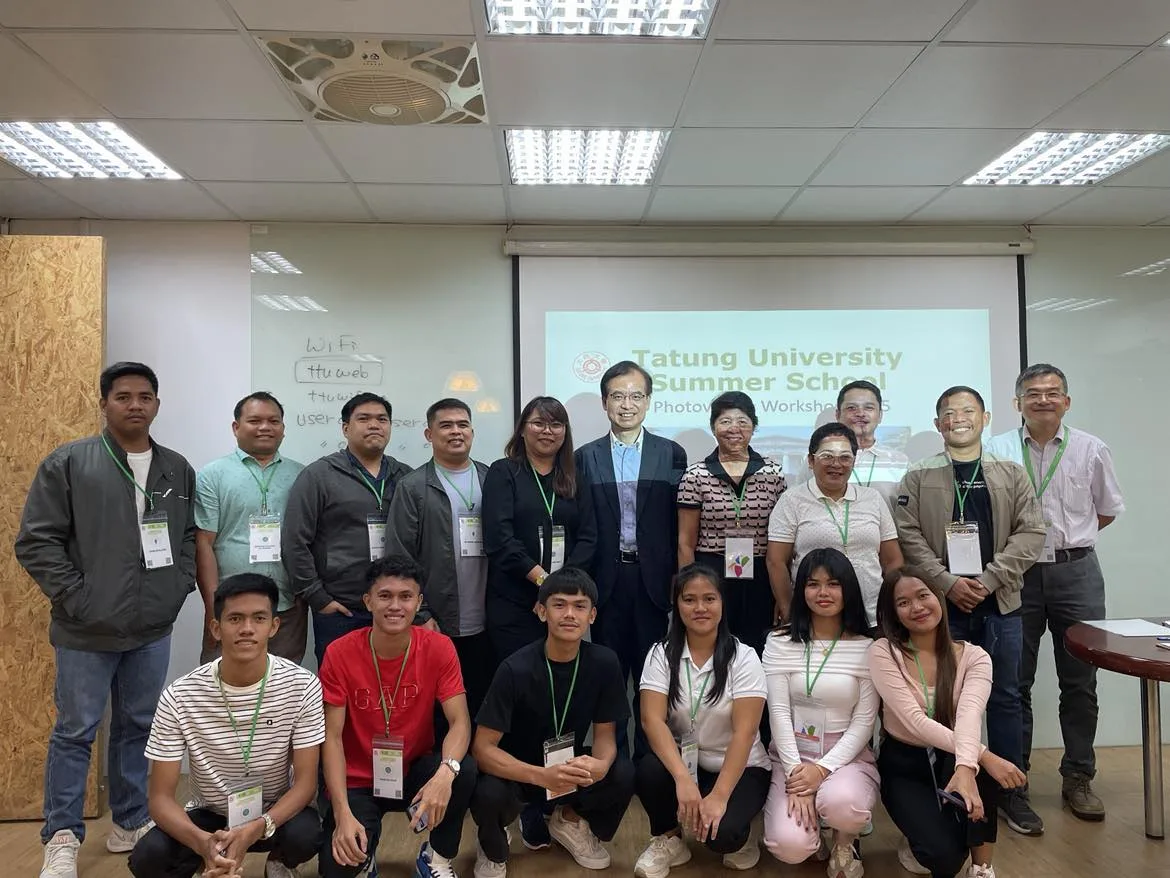
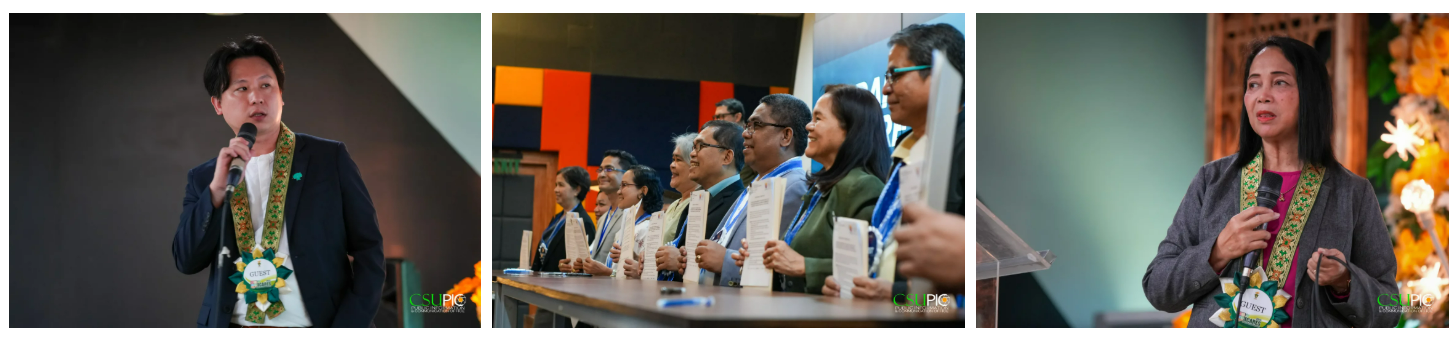
  • Global involvement. CSU faculty attended a photovoltaic workshop in Taiwan, learning about PV microgrids, AIoT‑based smart energy and carbon‑footprint verification. A memorandum of understanding with Tatung University expands collaborations and knowledge exchange, helping to inform policy dialogues on renewable technology. Hosting i-CARES is also a testament that CSU wants to bring forward local challenges and climate actions to international platforms where insights and policy options are wider in terms of good practices and validated proof-of-concepts.

Assistance to low‑carbon innovation

CSU supports start‑ups and innovations as well as sustainable university mobility programs that foster a low‑carbon economy:

ScrapCycle.ph.

The university’s technology business incubator Navigatú runs an internship programme where students develop start‑up ideas.
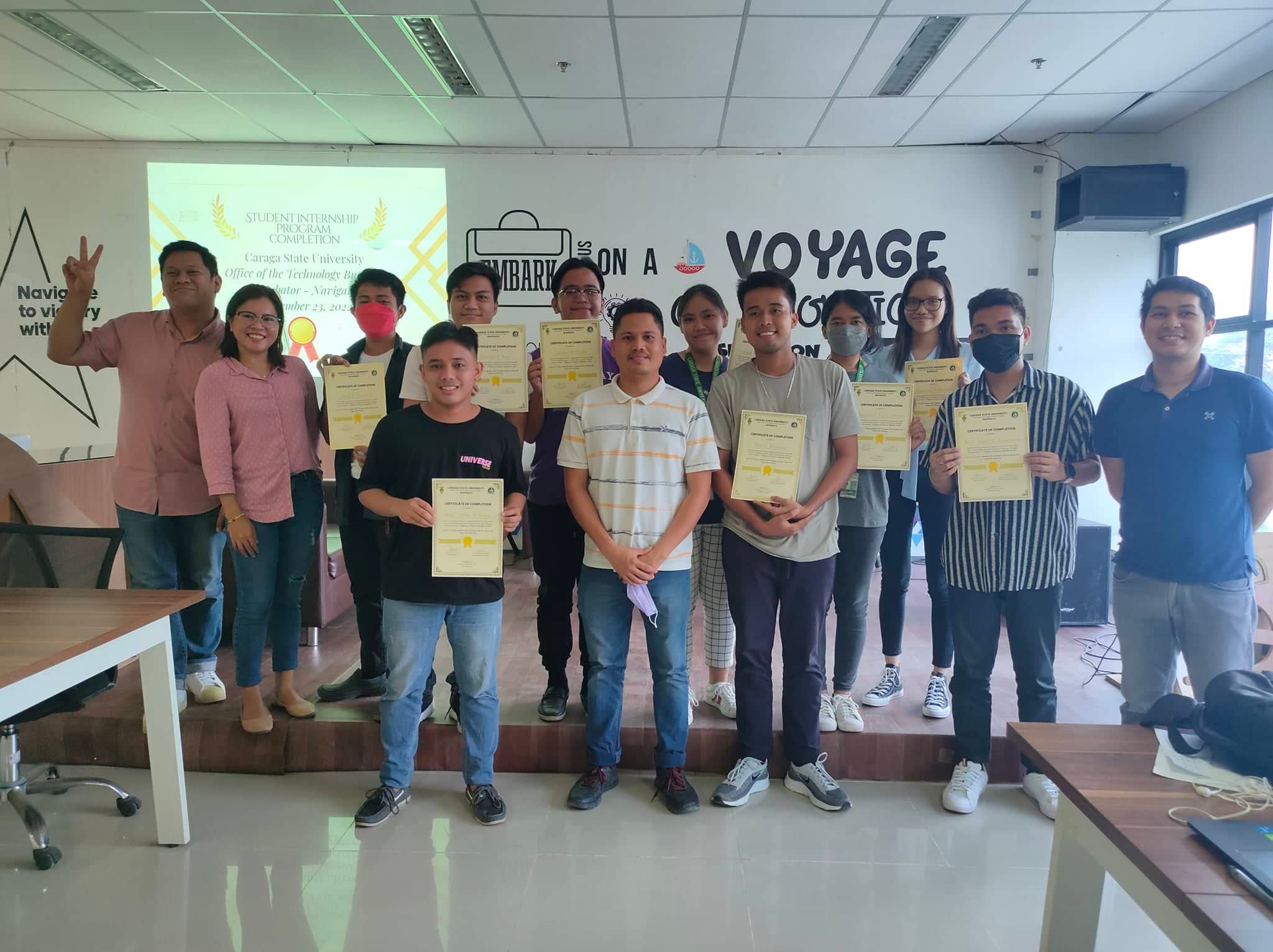
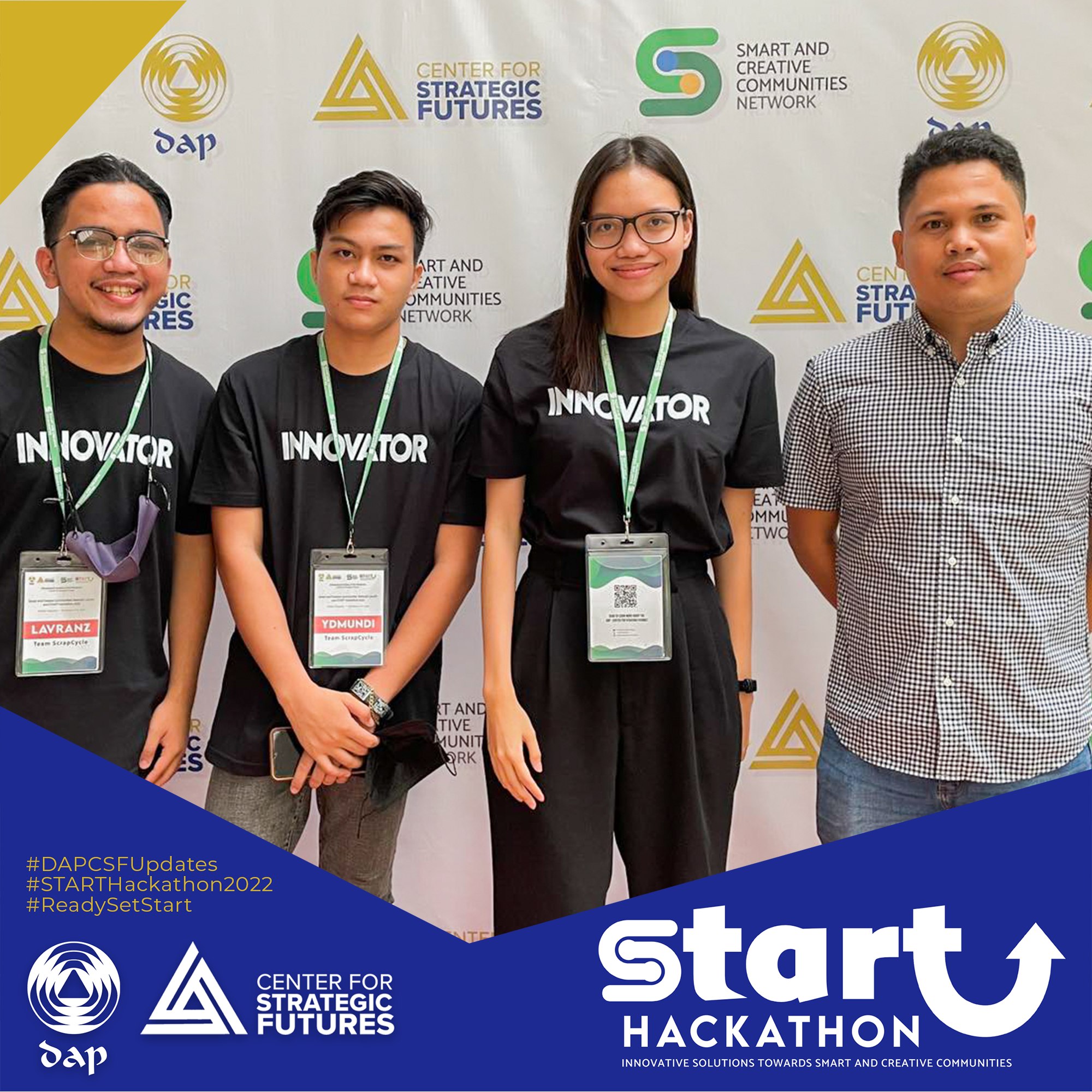
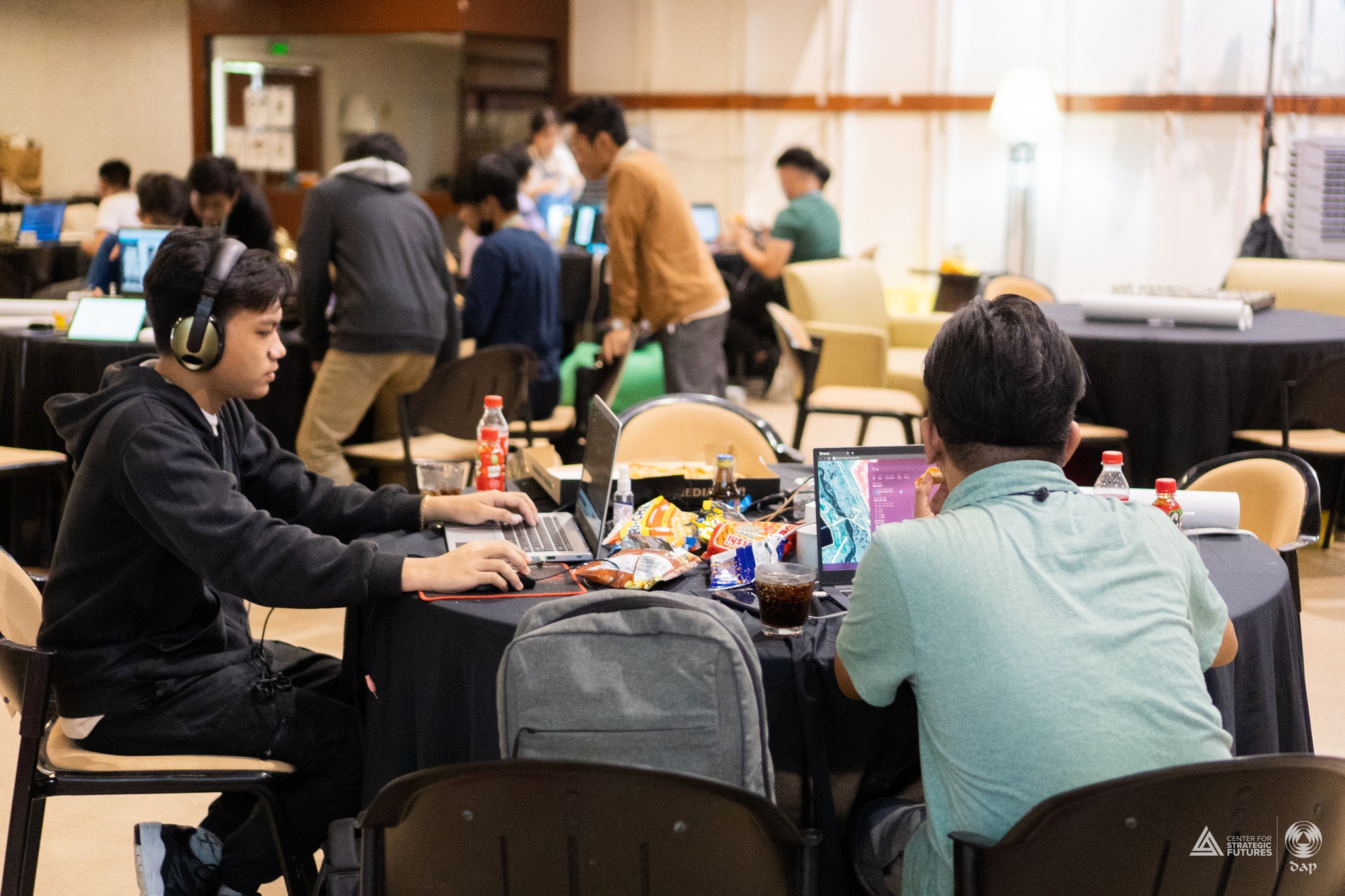
In 2022 the programme included a group focusing on ScrapCycle.ph, a digital platform that connects users with verified scrap buyers. The internship provided training and workshops on entrepreneurship and IT skills. Later, Navigatú’s team Scrapcycle won first place in the Development Academy of the Philippines’ START Hackathon, earning a cash prize and ₱100 000 non‑equity seed funding. This success illustrates CSU’s role in nurturing circular‑economy businesses.
External partnerships.

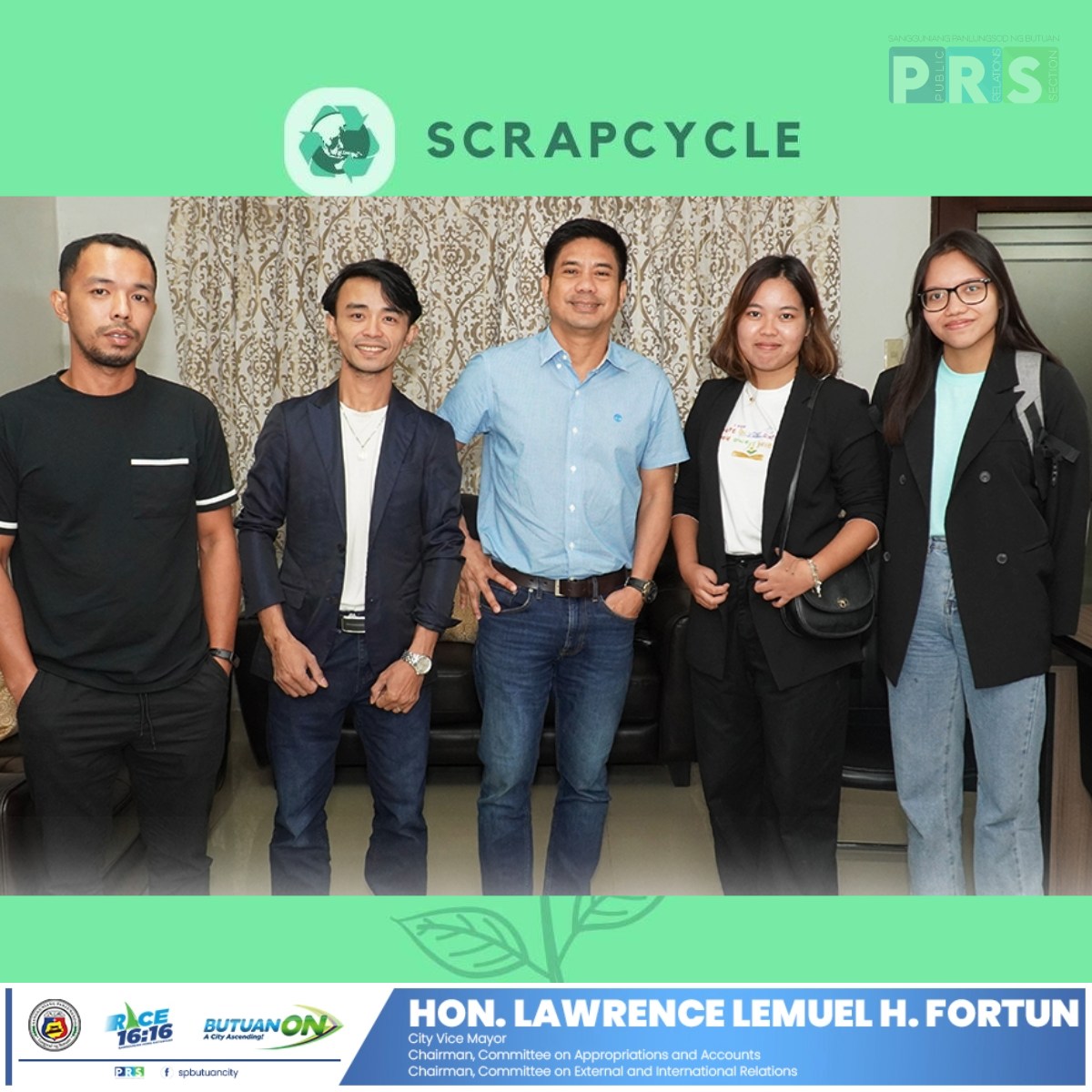
Department of Science and Technology (DOST) Caraga promoted ScrapCycle as a supported start‑up and encouraged the public to use its recycling app.In a meeting held by the Local Government of Butuan and ScrapCycle, City Vice Mayor Fortun expressed his support for ScrapCycle and pledged to campaign to encourage public participation. He also expressed openness to possible collaborations between ScrapCycle Ph and the Butuan City Government, recognizing the potential for effective waste management, job creation, and increased city revenue. These collaborations demonstrate how CSU incubated innovations receive regional support, advancing low‑carbon and circular‑economy solutions.

Bike‑sharing programme

CSU’s University Sustainable Mobility Program (USMP) introduced a bike‑sharing system that encourages active mobility and reduces dependence on fossil‑fuel transport. The programme promotes walking and cycling to reduce traffic congestion, carbon emissions and fossil‑fuel use, thereby improving air quality and health. This initiative has recorded remarkable environmental and mobility benefits just weeks after launching its campus-wide bike-sharing system under the University Sustainable Mobility Program (USMP), in partnership with iKilos Bayugan’s PadyaKalikasan initiative. From February 4 to April 7, the program logged 906 rides on campus bicycles, translating to over 900 hours of travel. These efforts have resulted in the avoidance of 36 liters of gasoline consumption and approximately 0.0845 metric tons of carbon dioxide (CO₂) emissions, a strong indicator of the project’s contribution to a cleaner, greener campus. During the period from August to September, the program achieved even greater results, with 0.0883 metric tons of CO2 emissions avoided and 37.6 liters of gasoline saved. It contributes to the campus’s low‑carbon transport ecosystem and serves as a model for sustainable mobility in the wider community.
CSU Features

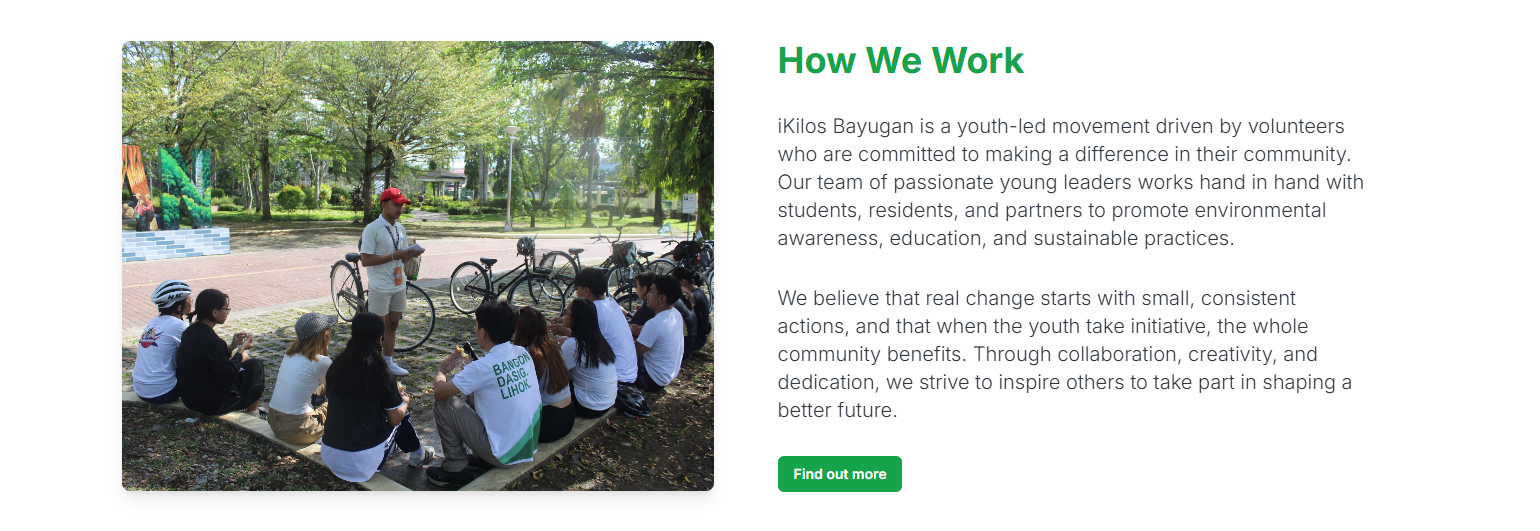
At iKilos Bayugan, we are driven by a deep commitment to engage and empower the youth to become active stewards of the environment. We believe that a sustainable future starts with informed, motivated, and responsible citizens who care for their communities and the planet. Our efforts focus on promoting environmental awareness, encouraging eco-friendly practices, and fostering collaboration among young people to create meaningful change.

Together, let’s nurture a generation of eco-warriors, one initiative at a time, and build a cleaner, greener, and more resilient community for generations to come.