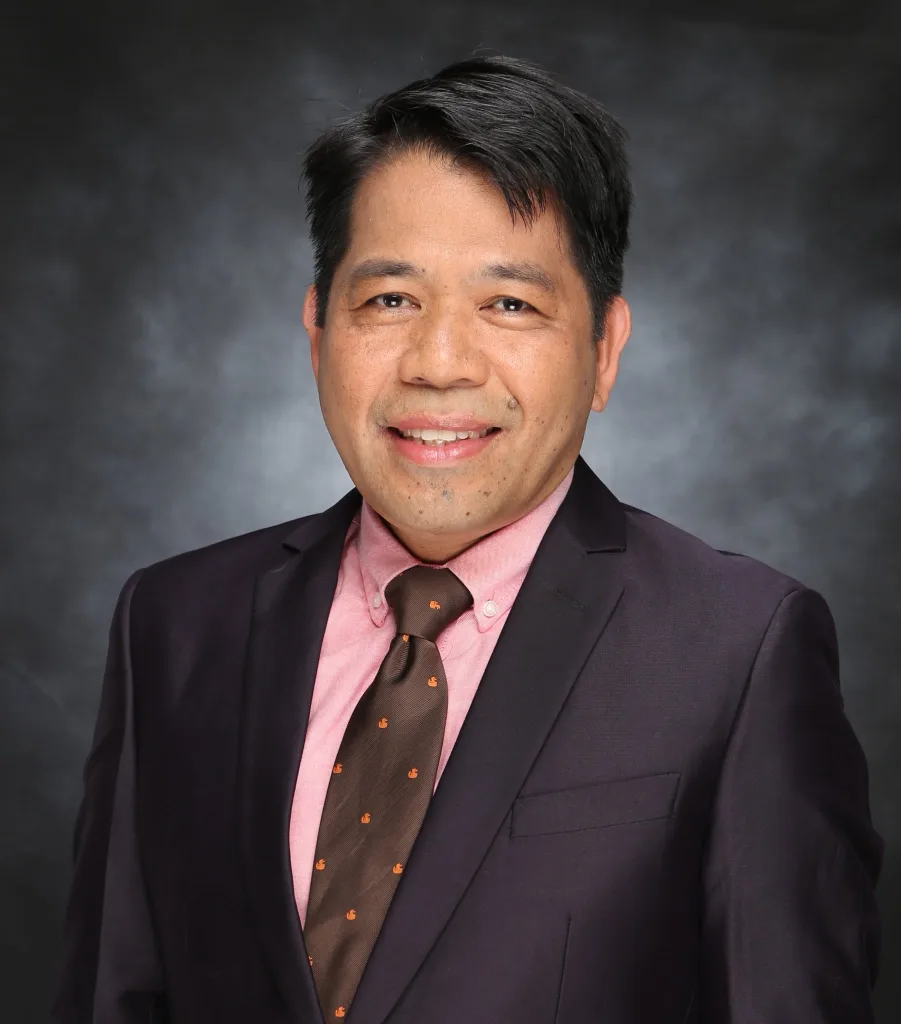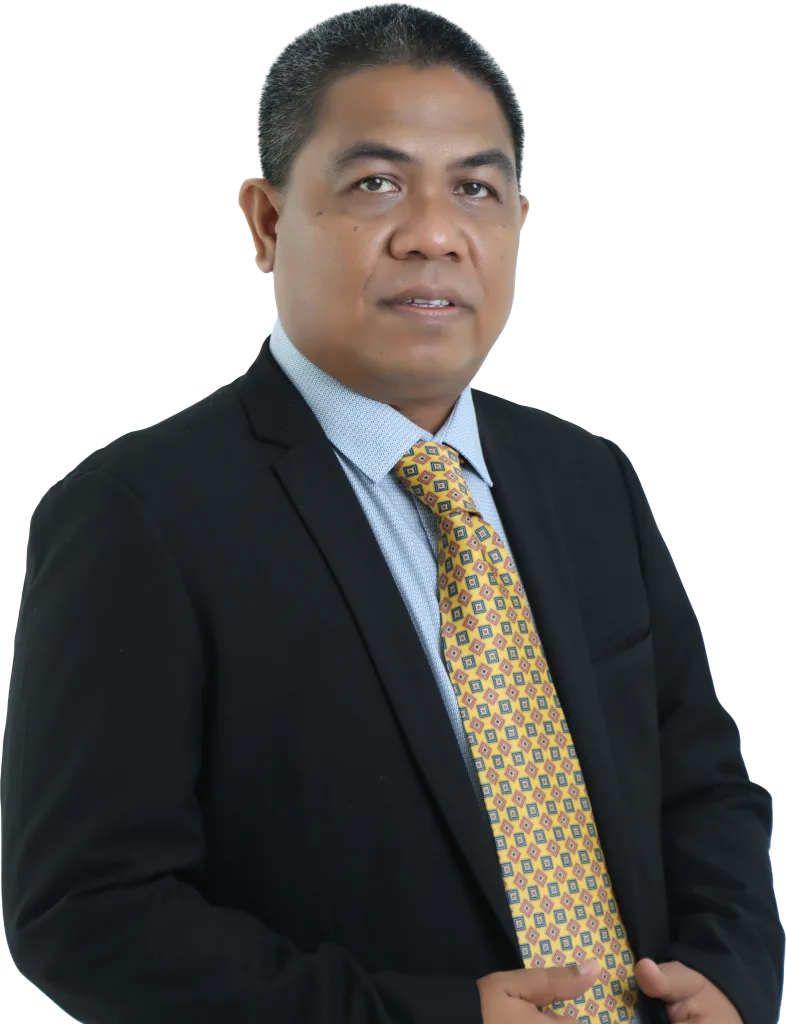

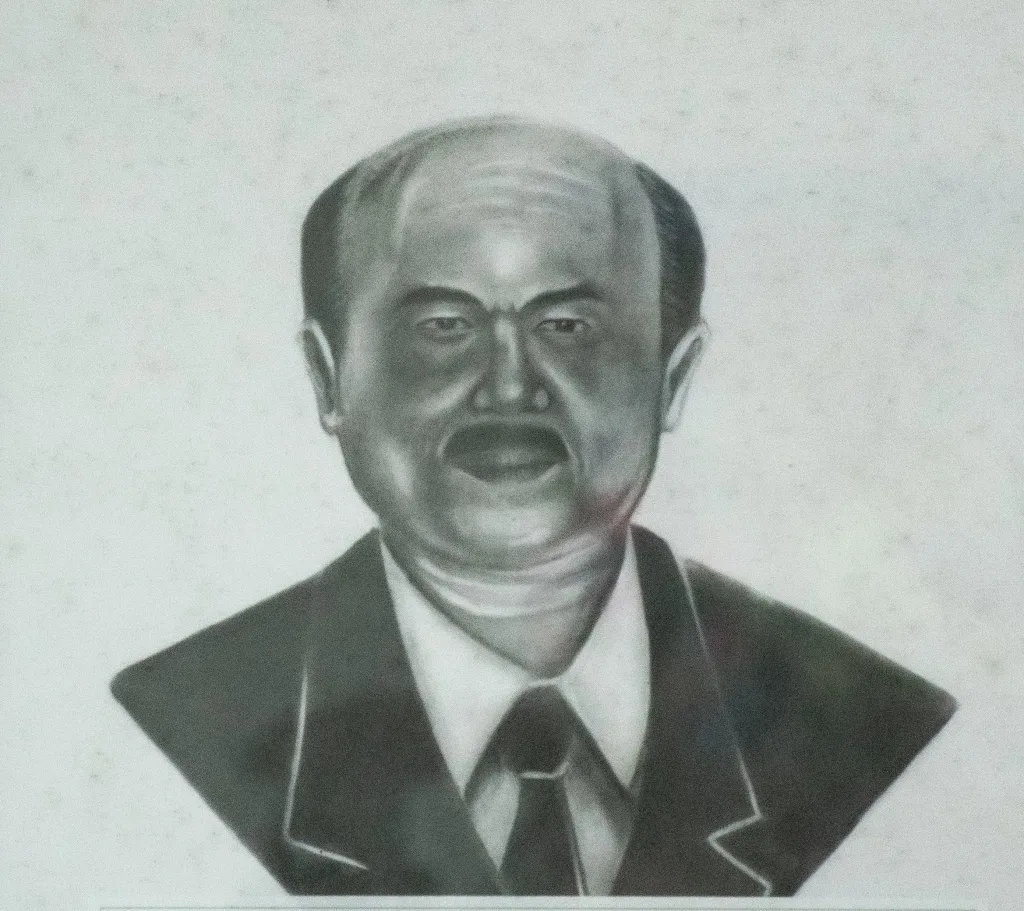
Dr. Wenceslao Tianero, who held a Ph.D. in Agricultural Education and previously served as Vice President for Academic Affairs at Central Mindanao University, assumed the presidency of the NORMISIST. Among his notable accomplishments were the establishment of key agricultural projects, including the Carabao Center, the Dairy Processing Center, and the Tissue Culture Project.
- Home
- History
Start your Learning Journey Today!
CSU is a globally engaged institution, advancing innovation and excellence in science, engineering, and the arts, dedicated to cultivating problem-solvers for a sustainable future.
The Caraga State University (CSU) was first conceived in 1918 as the Agusan Agriculture High School (AAHS) through the passage of an Omnibus Bill filed by the First Congresswoman of the Philippines, Honorable Elisa Rosales Ochoa. On February 14, 1920, Proclamation Number 4 was passed by the American Governor to the Philippines, Francis Burton Harrison, declaring the reservation of 232-hectare virgin forest land in Barrio Ampayon, in the Municipality of Butuan, province of Agusan del Norte, as the grounds of the young school. However, only at the close of World War II in 1946 was the Agusan Agricultural High School (AAHS) established in the reserved area.
The first framework of the school building was laid down in 1937. However, the development of the school was deferred as the government deviated from giving priority to serving the Manobo cultural minority by creating the Bunawan Agricultural High School in Agusan del Sur. The funding for the establishment of the school came from the Rehabilitation Act of 1946, the FAO-PHILCUSA, and the President Carlos P. Garcia contingency fund.
After 17 years, on June 22, 1963, Republic Act 3604 was passed, converting the school into the Northern Mindanao Agricultural College (NORMINAC). NORMINAC was among the 13-pilot experimental agricultural high schools chosen by the Department of Education and Culture (DEC) for World Bank Assistance through the Central Bank Development of Education Agricultural Loan Fund (CB-DEC-ALF), which was the umbrella of the Educational Project Implementing Task Force (EDPITAF) in 1974-1975. Moreover, NORMINAC became the training center for the National Manpower and Youth Council (NMYC). In collaboration with the International Rice Research Institute, the school was instrumental in the discovery of the zinc deficiency problem of the Agusan Land. The technological breakthrough solved the puzzle of poor rice harvests in many rice fields in Agusan and the surrounding areas.
In 1977-1978, the Bachelor of Science in Agricultural Education opened with 34 enrollees. However, it was phased out to meet World Bank requirements of offering only agricultural technology courses to develop skills for countryside development.
As Caraga Region rapidly grew and developed in both agricultural and industrial sectors, House Bill No. 25 was passed by the then Assemblyman Antonio R. Tupaz, converting NORMINAC to the Northern Mindanao State Institute of Science and Technology (NORMISIST). The House Bill became Batas Pambansa Blg. 241 when President Ferdinand Marcos Sr. signed it into law on November 11, 1982, and NORMINAC became NORMISIST or Northern Mindanao State Institute of Science and Technology.
It was around this time that logging facilitated the economic expansion of Butuan. The wider range of curricular offerings was dynamically responsive to the region’s growing need for an educationally prepared and academically capable human resource equipped with higher technical skills for agricultural and industrial development. The conversion of NORMINAC into NORMISIST also provided opportunity and access to a good quality of higher education in science and technology to the youth in the region, who had been deprived of such a right for many years.
NORMISIST has steadily grown as an institution in delivering education to the constituents of Butuan and the neighboring community. In 1994, the Presidents of the Faculty Association, the Administrative Personnel Association, and the Central Student Government gained the privilege of observing the meetings of the Board of Trustees (BOT). The above-mentioned organization presidents were not afforded voting rights. However, the observation privilege given at the meeting was an essential means for the stakeholders to learn the rudiments of policy and decision-making; thus, it was an initial step in integrating NORMISIST personnel into the mainstream of BOT powers.
In the same years, the institution exemplified academic growth by starting to offer graduate studies, namely MA in Education with majors in Education and Supervision, General Education, Curriculum and Instructional Technology, and Adult and External Education as sanctioned by Ref. Res. No. 12, s. 1994 of the Board of Trustees. The above-mentioned accomplishment led to the offering of other graduate programs that were responsive to the need of equipping the human resources of the region.
As part of its commitment to serve a larger academic area of responsibility, and with the integration of a CHED-supervised school, NORMISIST has evolved into a system with one satellite campus – the NORMISIST-Cabadbaran Campus – established in an 8-hectare area at the heart of the municipality of Cabadbaran, Agusan del Norte.
Through the course of its growth, the Institute has been served by seven (7) presidents and two (2) Officers-In-Charge who have exemplified deep commitment to academic development and progress, thereby completing meaningful contributions that cemented the Institute’s path towards greater improvement.
The first president of the Institute was the late Engineer Alberto Villares, who was responsible for the implementation of the ADB-funded ATEP-EDPITAF Project package offering the technology-oriented DAT-BAT program, its infrastructure, curriculum, and human resource development support system. He led the establishment of the College of Science and Mathematics Teacher Education. He also labored to create strong links with various line agencies, Non-Government Organizations (NGOs), and research consortia.
Dr. Antonio Tomaneng, a PhD in Soil Science and a trained Agricultural Engineer, was appointed as President in 1993 by then-President Corazon Cojuangco-Aquino. He was the first to promote the tri-function of a State College, namely, instruction, research, and extension. Dr. Tomaneng initiated engineering programs, specifically the Associate in Material Science Engineering and the BS in Geodetic Engineering.
In 1997-2000, NORMISIST was managed by Dr. Glory S. Magdale and Dr. Joanna B. Cuenca, CHED Directors acting as Officers In-Charge. It was in this period that the School of Engineering was established.
Dr. Wenceslao Tianero, a Ph.D. in Agricultural Education and a former Vice President for Academic Affairs at Central Mindanao University, took over the presidency in 2000. His notable achievements were the establishment of agricultural projects such as the Carabao Center, Dairy Processing Center, and Tissue Culture Project.
Dr. Edgar W. Ignacio, a Ph.D. in Chemistry and former Vice Chancellor for Academic Affairs of the Mindanao State University-Iligan Institute of Technology (MSU-IIT), also served as the 4th Institute President, with much effort put into the development of the Institute – faculty development program and the establishment of the Science and Technology Complex. The Institute was strengthened to address the mandate of Science and Technology delivery in the Region. These were manifested in the enhancement of S&T Laboratories, hiring new faculty members to backstop S&T program offerings, establishing the ICT Center, and constructing additional laboratories and classrooms.
From 2008 to February 2014, Dr. Joanna B. Cuenca, CESO III and former Director of the Commission on Higher Education of the Caraga Region, headed the administration. She has led the accreditation of several programs in AACCUP, obtained COD status for the Mathematics Program, and expanded the scholarship programs for students. In addition, she has established the HITACHI-donated Robotics Laboratory, helped construct several student centers, and begun the construction of the Institute’s hostel. During her time, NORMISIST Funding for Research and Extension was also increased. Dr. Cuenca worked with the Members of the Board of Trustees (BOT), Administration Officials of the Institute, and Congressmen of Agusan del Norte to establish a state university in the region. Congressman Jose “Joboy” S. Aquino of the First District of Agusan del Norte, co-authored by former Presidential Executive Secretary and Congressman, Second District of Agusan del Norte, Congressman Edelmiro A. Amante, filed the House Bill Number 5110 at the House of Representatives with Senator Mar A. Roxas as the principal sponsor in the Senate. HBN 5110 was approved in the Senate’s 3rd and final reading on November 16, 2009. On December 16, 2009, HBN 5110 was signed and approved into law by Her Excellency, President Gloria Macapagal-Arroyo through Republic Act 9854.
President Gloria M. Arroyo came to NORMISIST for the ceremonial signing of Republic Act 9854 on January 5, 2010. RA 9854 established the Caraga State University in the region by integrating the Northern Mindanao State Institute of Science and Technology (NORMISIST) of this city and the Northern Mindanao College of Science and Technology (NMCAST) in Cabadbaran, Agusan del Norte, with its main campus in Butuan City. Dr. Cuenca served as the first President of the newly established Caraga State University.
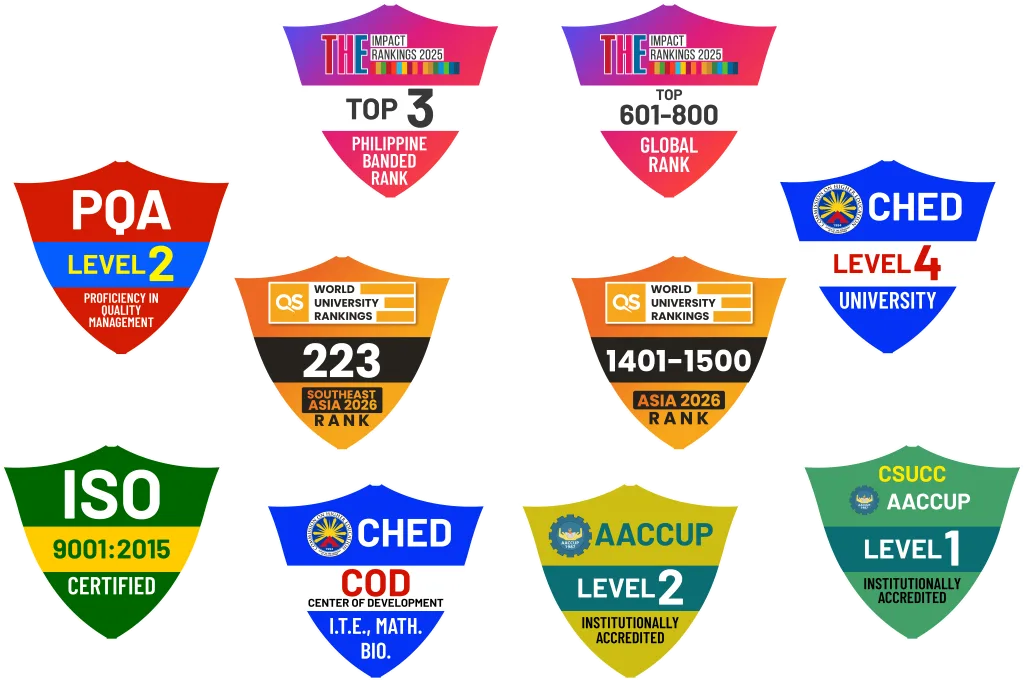
On June 14, 2014, Dr. Anthony M. Penaso became the 2nd President of Caraga State University (CSU), leading transformative developments. During his term, CSU maintained its Center of Development (COD) status in Mathematics and gained two more in Biology and Information Technology, making it the top COD holder among HEIs in Caraga. It also became the first ISO-certified SUC in the region.
Dr. Penaso is instrumental in re-offering the BS Chemistry program and in offering new programs, namely BS Social Work, BS Psychology, BS Geology, and BS Civil Engineering, at the Main Campus. He rationalized the various industrial technology, tourism and hospitality management programs and offered new programs, namely the BS in Computer Engineering, BS in Business Administration (majors in Financial Management, Operations Management, Marketing Management, Human Resource Management, and Business Economics), BS Accountancy, BS Management Accounting, BS Accounting Information System, BS Internal Auditing, BS Entrepreneurship, and BS Office Administration at CSU Cabadbaran Campus. In partnership with LGU Bayugan City, he also established an external graduate studies center offering master’s degree programs in public administration, educational management, mathematics education, and science education.
In 2020, CSU achieved institutional Level II accreditation and was named the top SUC nationwide for Level II accredited programs. Under Dr. Penaso, CSU rose from SUC Level 2 to SUC Level 4—the only one in Caraga and one of only five in Mindanao. It also earned ISO 9001:2015 certification, three QS Stars, and the Philippine Quality Award Level II for proficiency in quality management.
At present, the University is transitioning into a future-focused perspective under a new administration, with a nod and commitment to the previous accomplishments and ways forward. Dr. Rolyn C. Daguil, a Ph.D. in Computer Engineering, was elected by the CSU Board of Regents in 2022. Guided by forward-thinking and adaptable leadership, he endeavors to guide CSU to become a driving force for social and economic progress within the digital realm.
Dr. Daguil stands at the forefront of the LIKHA Agenda, which abbreviates his administration’s strategic goals for the University over the next four years: Launchpad of Innovators and Global Talents, Interdependence and High-Impact Coalition, Knowledge, Co-creation, and Commercialization, Hub of Academic Excellence, and Accelerated Administrative Process and Digital Transformation. Equitably, LIKHA is a word derived from the Filipino language that translates to the creation of shared value for the public good. This signifies CSU’s response framework to the challenge of establishing a future-proof academic institution. With the LIKHA Agenda, Dr. Daguil puts forward on scaling the university’s global competitiveness by enhancing and developing CSU’s talents, assets, and opportunities through the creation of new value, meaningful solutions, and responsible steward-leaders in the university and community.
A defining achievement of his administration is the successful establishment of the CSU School of Medicine in 2025, the first medical school in the region. Dr. Daguil spearheaded the groundwork by forming alliances with stakeholders, partnering with hospitals and communities, securing faculty members and facilities, and ensuring resourceful and stable funds.
Further elevating the university’s reputation, CSU ranked Top 5 nationwide in the Times Higher Education (THE) Impact Rankings 2025 and led the 3rd spot in the 601–800 global bracket, securing the 1st spot in both Mindanao and the Caraga region.
Dr. Daguil envisions his LIKHA Agenda coming to fruition in succession, alongside other duties and prospects necessitated throughout his term through the approved Hiraya Manawari’28, the University’s new strategic framework approved through BOR Resolution No. 82-33, s. 2023.
CARAGA STATE UNIVERSITY past presidents
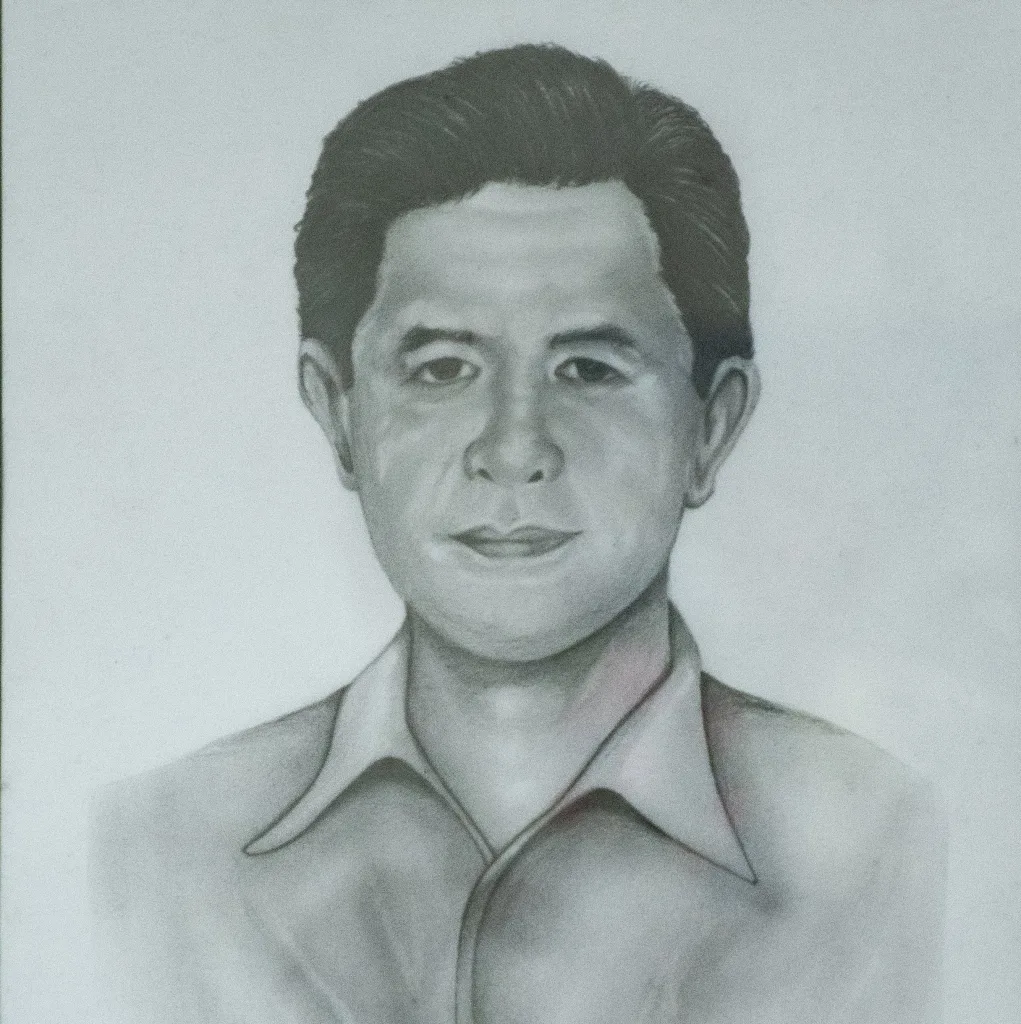
1986-1993
ENGR. ALBERTO M. VILLARES
The first president of NORMISIST was Engineer Alberto Villares, who played a pivotal role in implementing the ADB-funded ATEP-EDPITAF Project package. This initiative introduced the technology-oriented DAT-BAT program, including its infrastructure, curriculum, and human resource development support system. Under his leadership, the College of Science and Mathematics Teacher Education was established. He also worked diligently to forge strong partnerships with various line agencies, Non-Government Organizations (NGOs), and research consortia.
1993-1999
ANTONIO A. TOMANENG, PhD
Dr. Antonio Tomaneng, a PhD in Soil Science and a trained Agricultural Engineer, was appointed as President in 1993 by then-President Corazon Cojuangco-Aquino. He was the first to promote the tri-function of a State College, namely, instruction, research, and extension. Dr. Tomaneng initiated engineering programs, specifically the Associate in Material Science Engineering and the BS in Geodetic Engineering.
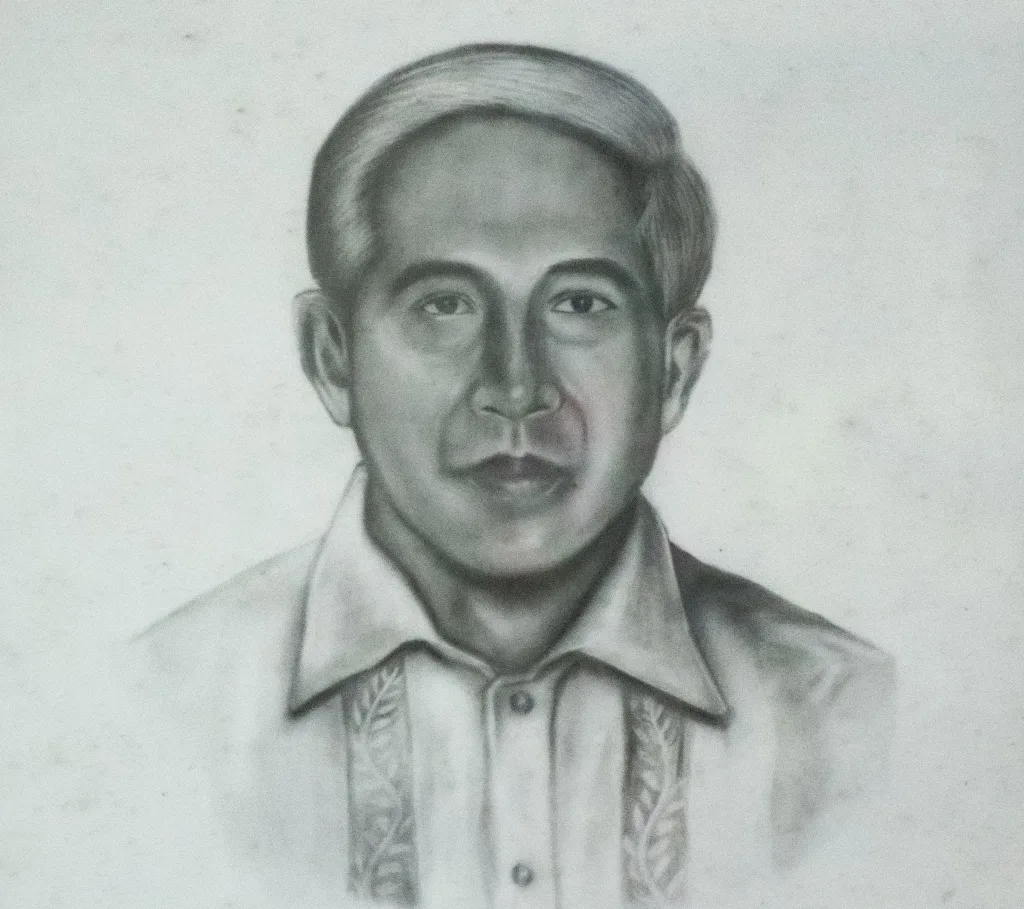
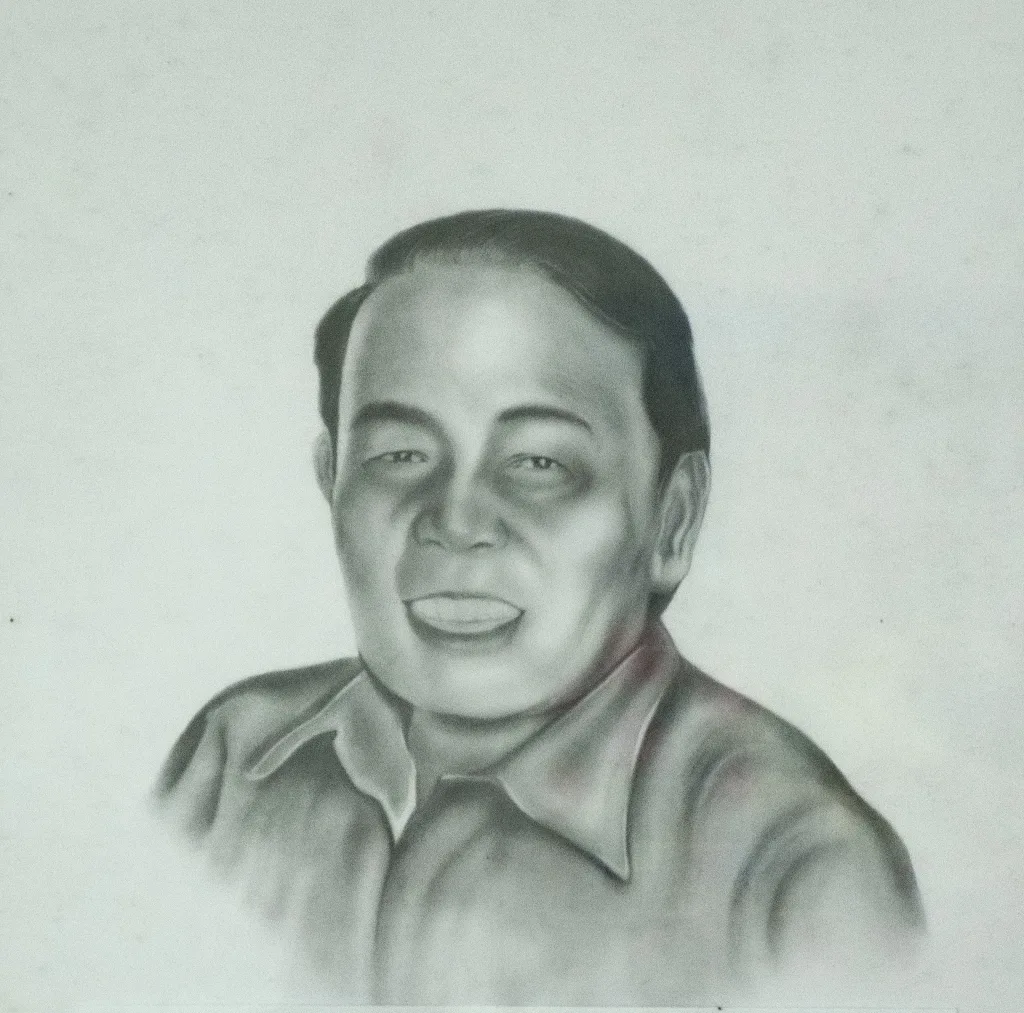
2000 - 2004
WENCESLAO T. TIANERO, Sr., PhD
2004 - 2007
Dr. EDGAR W. IGNACIO
Dr. Edgar W. Ignacio, who held a Ph.D. in Chemistry and previously served as Vice Chancellor for Academic Affairs at the Mindanao State University–Iligan Institute of Technology (MSU-IIT), became the fourth president of NORMISIST. His administration was marked by significant efforts toward institutional development, particularly in the areas of faculty advancement and the establishment of the Science and Technology Complex. Under his leadership, the Institute was further strengthened to fulfill its mandate as a regional hub for science and technology. This was evident in the enhancement of S&T laboratories, the recruitment of new faculty members to support science and technology program offerings, the establishment of the ICT Center, and the construction of additional laboratories and classrooms.
2008-2014
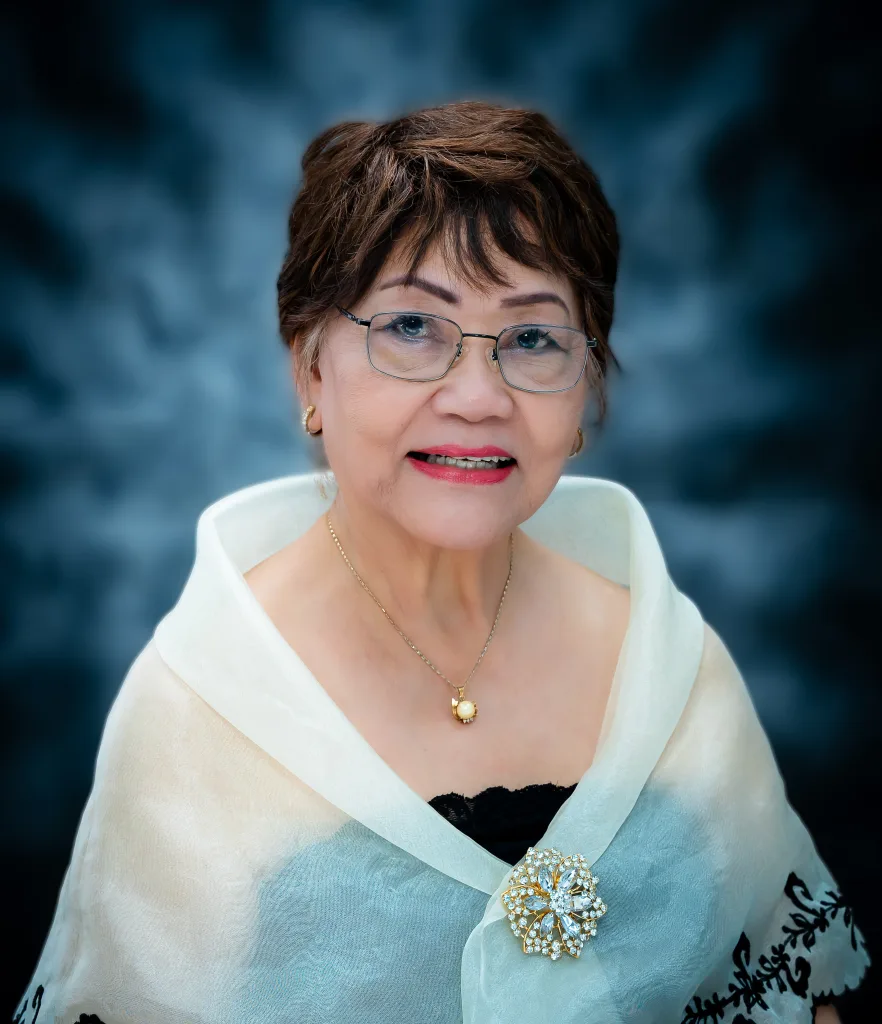
Dr. JOANNA B. CUENCA
From 2008 to February 2014, Dr. Joanna B. Cuenca, CESO III and former CHED Caraga Regional Director, led NORMISIST. During her administration, several academic programs gained AACCUP accreditation, the Mathematics Program earned COD status, and student scholarship opportunities were expanded. She also oversaw the establishment of the HITACHI-donated Robotics Laboratory, construction of student centers, and the start of the Institute’s hostel. Funding for research and extension significantly increased under her leadership.
Dr. Cuenca worked with the Board of Trustees, Institute officials, and local legislators to push for university status. This effort led to the filing of House Bill No. 5110 by Congressman Jose “Joboy” S. Aquino, co-authored by Congressman Edelmiro A. Amante and sponsored in the Senate by Senator Mar A. Roxas. The bill was signed into law as Republic Act 9854 by President Gloria Macapagal-Arroyo on December 16, 2009. The ceremonial signing took place at NORMISIST on January 5, 2010. RA 9854 established Caraga State University through the integration of NORMISIST and NMCAST, with the main campus in Butuan City. Dr. Cuenca became the 1st president of the newly established Caraga State University.
2014 - 2022
Dr. ANTHONY M. PENASO,
Phd, DSc, EdD, DM, DPA
Dr. Anthony M. Penaso became the 2nd President of Caraga State University (CSU), leading a period of significant transformation. Under his leadership, CSU retained its Center of Development (COD) status in Mathematics and gained two more in Biology and Information Technology, making it the top COD holder among HEIs in Caraga. It also became the region’s first ISO-certified SUC.
Dr. Penaso reopened the BS Chemistry program and introduced new programs, including BS Social Work, Psychology, Geology, and Civil Engineering at the Main Campus, and expanded course offerings at CSU Cabadbaran. He also partnered with LGU Bayugan City to open a graduate studies center.
By 2020, CSU attained institutional Level II accreditation and was recognized as the top SUC in the country for Level II-accredited programs. The university advanced from SUC Level 2 to Level 4—the only one in Caraga and among just five in Mindanao—while also earning ISO 9001:2015 certification, three QS Stars, and the Philippine Quality Award Level II.